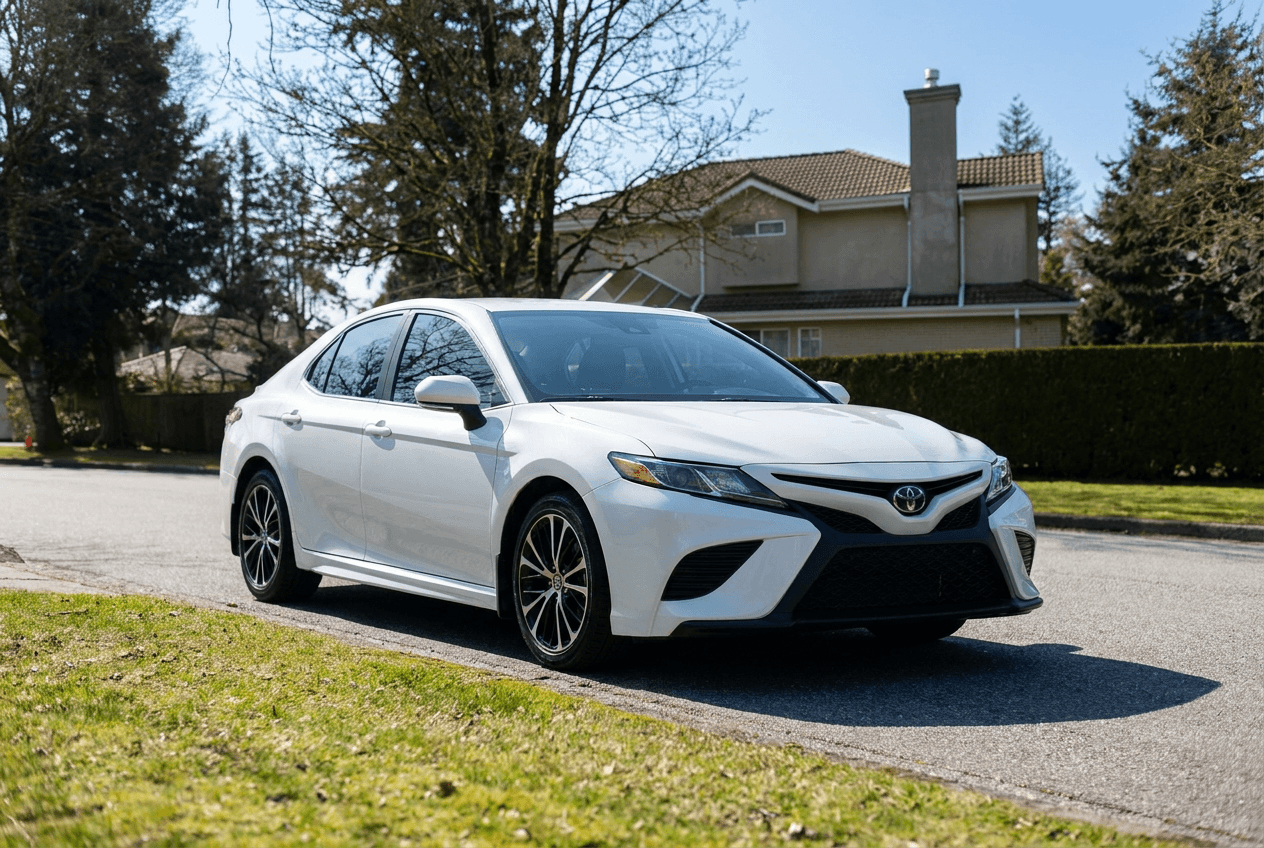
Common signs your car needs an alignment include your vehicle pulling to one side, rapid or uneven tire wear, and a steering wheel that stays crooked while you are driving straight. You might also experience steering wheel vibrations or squealing tires when making turns. Identifying these symptoms early helps prevent premature tire damage and ensures your vehicle remains safe to operate.
Navigating the winding mountain roads of Carbon County requires precision; however, a vehicle that constantly drifts to the left or right turns a routine commute into a tiring chore. This subtle pulling is more than just a minor inconvenience. It is a clear signal that your suspension geometry is out of sync. Ignoring these symptoms leads to accelerated tire wear and decreased fuel efficiency, which ultimately costs you more at the pump and the tire shop. At Keith Auto and Sales, we understand how our local terrain impacts your vehicle. In this guide, we will explore the specific red flags of misalignment, explain the critical difference between wheel alignment and balancing, and detail why regular maintenance is essential for tackling Utah mountain passes with confidence.
The Most Common Signs Your Car Needs an Alignment
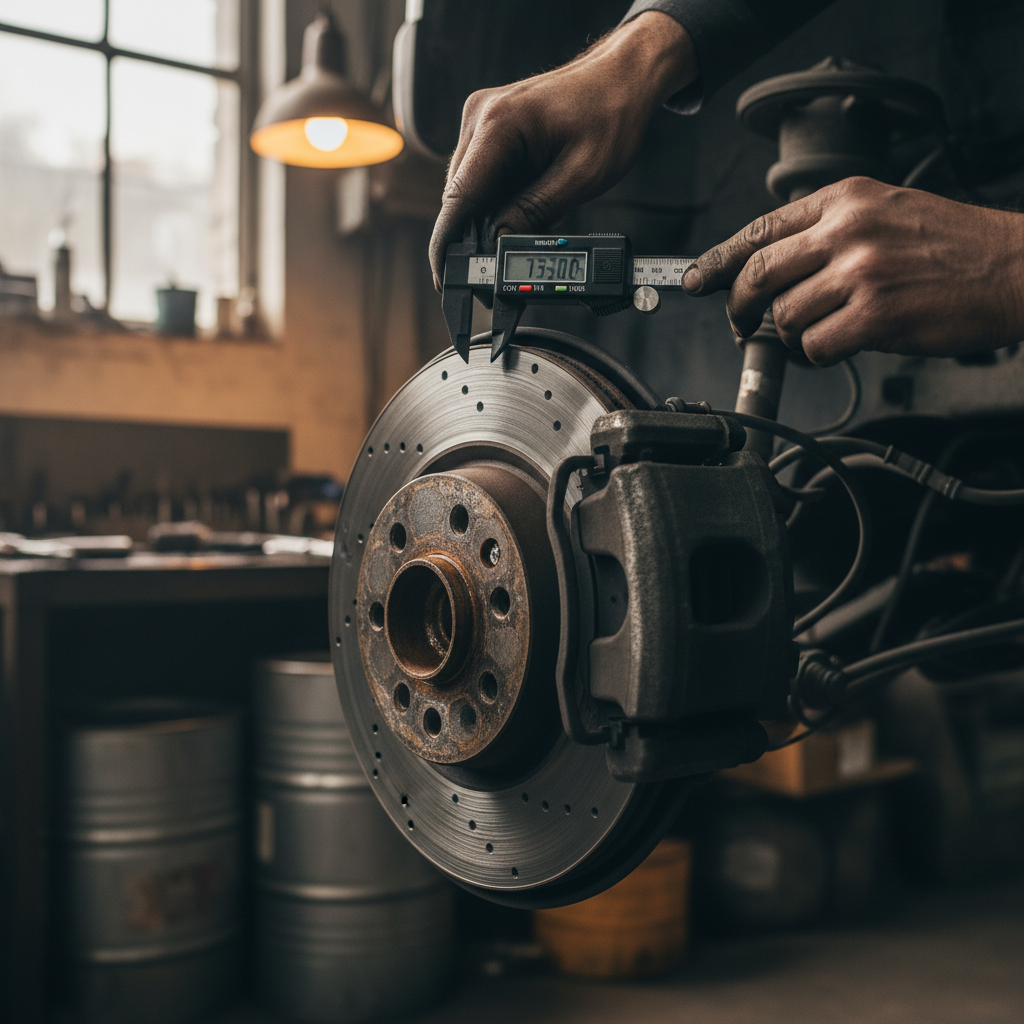
Maintaining proper wheel alignment is essential for navigating the steep grades of Price Canyon or the high speeds of Highway 6 safely. When your vehicle is out of spec, it forces you to work harder just to keep the car in its lane, which becomes a significant safety concern during winter storms or when passing semi-trucks. Identifying the signs your car needs an alignment early can prevent expensive component failures and keep your family safe on the road.
The most immediate indicator is often a noticeable pull to one side. It is important to differentiate between a gentle drift and an active pull. A drift might be caused by the natural crown of the road designed for water drainage; however, an active pull feels like the vehicle is fighting your input. If you loosen your grip on the steering wheel and the car immediately veers toward the shoulder or the centerline, the alignment is likely compromised.
Another common sign is an off center steering wheel. When you are driving straight on a flat road, the steering wheel spokes and the emblem in the center should be perfectly level. If the wheel is tilted to the left or right while the car moves in a straight line, your front or rear wheels are tracking at conflicting angles.
Finally, inspect your tires for unusual wear patterns. Look specifically for feathering, where the tread blocks feel smooth when you rub your hand across them in one direction but sharp in the other. You should also check for cupping, which appears as scalloped dips around the tread. These patterns indicate the tire is not making flat, even contact with the pavement. If you notice these issues, seeking comprehensive automotive repair services is the best way to protect your vehicle and ensure a predictable ride through local canyons.
Beyond the Basics: Pulling During Braking or Acceleration
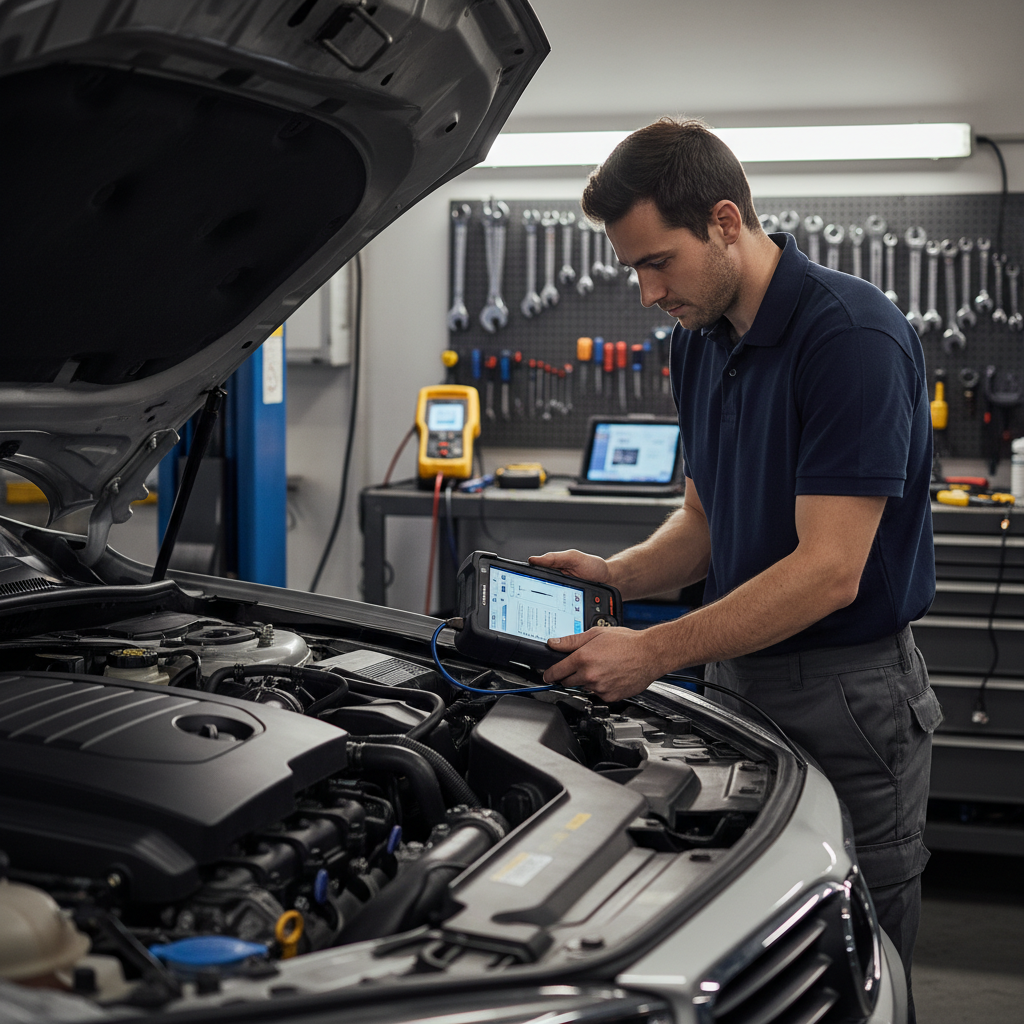
Identifying standard signs your car needs an alignment is a good start, but more nuanced symptoms often appear during specific driving maneuvers. For instance, if your vehicle darts to the side after hitting a frost heave or a pothole on a Carbon County backroad, you are likely experiencing what technicians call bump steer. This happens when the suspension travel causes the wheels to change direction independently of your steering input. While this can be related to alignment settings, it often indicates worn tie rod ends or a loose steering rack that has developed too much play.
Dynamic pulling during braking or acceleration also provides critical clues. If your truck veers to the left or right only when you apply the brakes, the culprit is often a sticking brake caliper or uneven hydraulic pressure rather than the wheels being out of spec. If the pull occurs only when you step on the gas, it suggests worn control arm bushings or ball joints that are shifting under the engine's torque. These rubber and metal components are designed to hold the suspension steady; when they degrade, the force of the engine can physically shift the wheel's position. Because these symptoms overlap with alignment issues, a professional diagnostic is necessary to determine if you need a simple adjustment or more comprehensive automotive repair services to replace failing hardware.
Wheel Alignment vs. Wheel Balancing: Which One Do You Need?
Drivers often confuse wheel alignment with wheel balancing because both involve the tires and can cause handling issues. However, they address entirely different mechanical problems. Determining which one you need starts with understanding how each service affects your vehicle's connection to the road.
How do I know if I need wheel balancing or wheel alignment? The answer depends on what you feel through the steering wheel and seat. Alignment is a process of adjusting the angles of the wheels so they are perpendicular to the ground and parallel to each other. Technicians focus on three primary angles: Camber, the inward or outward tilt of the tire when viewed from the front; Toe, the degree to which the tires turn inward or outward toward each other; and Caster, the tilt of the steering axis.
In contrast, wheel balancing corrects weight imbalances within the tire and wheel assembly. No tire or rim is perfectly uniform in weight. We use specialized equipment to identify heavy spots and attach small weights to the rim, ensuring the wheel spins evenly without wobbling.
Symptom | Likely Cause | Recommended Service |
|---|---|---|
Vibration in steering wheel or seat | Weight imbalance | Wheel Balancing |
Vehicle pulls to the left or right | Misaligned angles | Wheel Alignment |
Steering wheel is off-center | Misaligned angles | Wheel Alignment |
Uneven or rapid tread wear | Alignment or Balance | Diagnostic Inspection |
A reliable rule of thumb is that vibration usually indicates a balance issue, while steering pull or a crooked wheel are primary signs your car needs an alignment. If you are experiencing both, our comprehensive automotive repair services can identify the specific failure points to restore your vehicle's stability and prevent further component wear.
The Carbon County Factor: Why Utah Mountain Roads Stress Your Alignment
Driving in Carbon County puts significantly more stress on a vehicle's suspension than driving in a flat, coastal environment. Our local geography is physically demanding on hardware. Navigating the steep, winding grades of Price Canyon places constant lateral load on your tires and steering components. When winter arrives, the extreme temperature swings create frost heaves, where the ground expands and pushes up sections of the pavement. These sharp ridges jar the steering system every time you pass over them. As the snow melts in early spring, the resulting potholes become an everyday hazard. A single impact with a deep hole on a backroad can immediately knock your suspension out of spec, triggering the common signs your car needs an alignment.
Most families and businesses in Carbon County rely on 4x4 or All-Wheel Drive (AWD) vehicles to handle the snow and backcountry terrain. These complex drivetrains require a more detailed approach to maintenance. Unlike older front-wheel-drive sedans that might only need the front wheels adjusted, 4x4 and AWD systems generally require a full four-wheel alignment. This process ensures that the rear axle is tracking perfectly behind the front axle. If the rear wheels are misaligned, the vehicle's computer systems may struggle to distribute power correctly, potentially leading to premature drivetrain wear. Consistent maintenance through comprehensive automotive repair services ensures these specialized systems remain dependable for the long climbs and heavy snow typical of Utah mountain driving.
The Hidden Cost of Misalignment: Gas Mileage and Tire Life
While the handling issues discussed previously are frustrating, the financial impact of poor alignment often shows up first at the gas pump. A common question we hear is, "Can a bad alignment affect gas mileage?" The answer is a definitive yes. When your wheels are not properly aligned, they do not point straight ahead. Instead, they "scrub" against the road surface at an angle. This creates unnecessary rolling resistance; it is essentially like driving with your tires being dragged sideways while they spin. Your engine must work significantly harder to overcome this friction, which leads to a noticeable drop in fuel efficiency.
Beyond fuel costs, the most significant expense is premature tire failure. Dragging a tire across the pavement at an incorrect angle acts like a belt sander on the tread. For a Carbon County resident driving a heavy truck or SUV, a new set of quality all-terrain tires can easily cost $800 to $1,200. In comparison, a professional alignment is a fraction of that price. Ignoring the signs your car needs an alignment usually results in replacing tires thousands of miles before their time. Maintaining correct angles through comprehensive automotive repair services ensures you are not throwing money away on wasted fuel or ruined rubber.
How Often Should Utah Drivers Schedule an Alignment?
Carbon County driving conditions demand a more proactive maintenance schedule than what you might find in a standard owner's manual. For local drivers frequently navigating canyons or using their trucks for off-road excursions, we recommend a professional alignment check every 6,000 miles or twice a year. This frequency is particularly important during the transition from winter to spring, when the cumulative damage from frozen roads and deep potholes is most severe.
Adhering to the 7-7 rule is a practical way to manage tire health. This guideline suggests checking your tires every seven months or when tread depth reaches 7/32 of an inch, which is the point where wet and snow traction begins to decrease significantly. Combining these inspections with a quick alignment check ensures you catch the early signs your car needs an alignment before they lead to permanent tire damage or unsafe handling.
Furthermore, an alignment should never be considered optional after installing new tires or performing significant suspension work. Mounting a fresh set of tires on a vehicle with skewed angles is a recipe for wasting hundreds of dollars in rubber. Similarly, replacing a strut, ball joint, or tie rod physically alters the suspension geometry. Verifying the specs through comprehensive automotive repair services immediately after these repairs is the only way to protect your investment and maintain vehicle safety for the long hauls across Utah.
What to Expect During a Professional Alignment Service

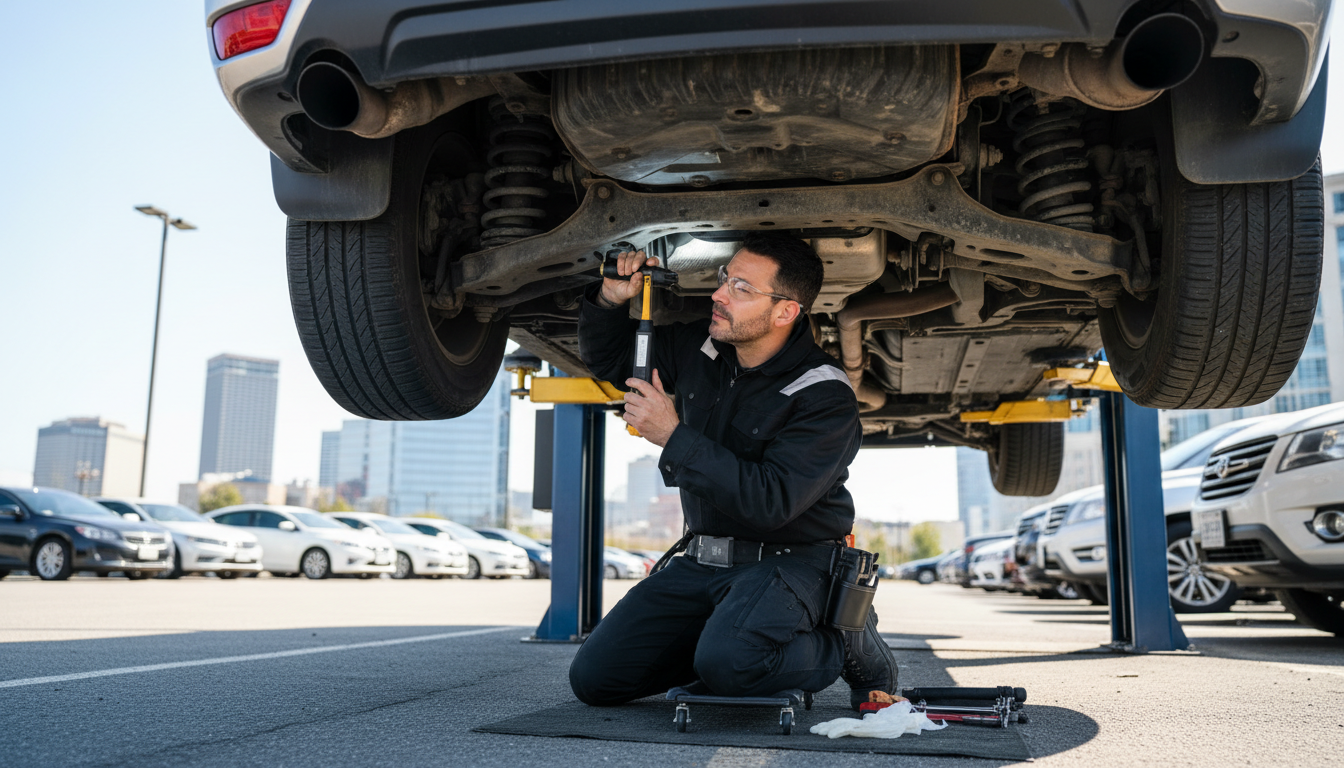
When you bring your vehicle in after noticing the signs your car needs an alignment, the process begins with a thorough inspection of your suspension and steering systems. At Keith Auto & Sales, we use computerized diagnostic equipment that measures your wheel angles to a fraction of a degree. This level of precision is necessary because even a minute deviation can cause the handling issues and tire wear patterns mentioned earlier. Our technicians mount sensors to each wheel to compare your vehicle's current alignment against the manufacturer's original factory specifications.
Transparency is the foundation of our work. If your vehicle simply needs a mechanical adjustment to the toe or camber, we perform the service and get you back on the road. However, if our equipment detects that angles cannot be held, it often points to a physical part failure. We provide honest communication regarding which components, such as worn tie rods or loose ball joints, are preventing a proper alignment. To keep your vehicle safe and reliable for the long haul, contact Keith Auto & Sales for comprehensive automotive repair services tailored to the unique demands of Utah driving.