Car air conditioning not blowing cold air is most frequently caused by low refrigerant levels, a failing compressor, or a clogged condenser. Repairing the system typically involves identifying and sealing leaks, recharging the refrigerant, or replacing damaged mechanical components like the cabin air filter or cooling fans.
There is nothing more frustrating than stepping into a sweltering vehicle on a mid-July afternoon in Carbon County only to find your air conditioning blowing lukewarm air. When the Utah heat settles into the high desert, a functioning cooling system is a necessity rather than a luxury. Ignoring the issue often leads to more extensive damage; a simple leak can eventually compromise your entire compressor or lead to poor fuel efficiency. In this guide, our experts at Keith Auto & Sales explain the primary reasons your vents are failing to deliver a cold breeze. We will explore the common culprits ranging from refrigerant leaks to the impact of local dust on your cabin filters. You will also learn how to troubleshoot cooling issues at idle and determine if a system recharge or a full repair is the best investment for your vehicle.
Why Your Car AC Is Blowing Warm Air in the Utah Heat

Driving through Price or Helper during a Carbon County July means dealing with high-desert heat that regularly climbs into the nineties. When you turn on your vents expecting relief and instead get a blast of warm air, the frustration is immediate. At Keith Auto & Sales, we see this often, and we understand that a functional cooling system is a necessity, not a luxury, in our region.
Contrary to popular belief, your vehicle does not actually create cold air. Instead, the system operates as a heat exchanger. It uses a chemical refrigerant to absorb the heat from inside your cabin and release it into the atmosphere outside. It is a closed loop designed to keep that thermal energy moving away from the passengers. When the cycle is interrupted, the air coming through the vents remains at ambient temperature or higher.
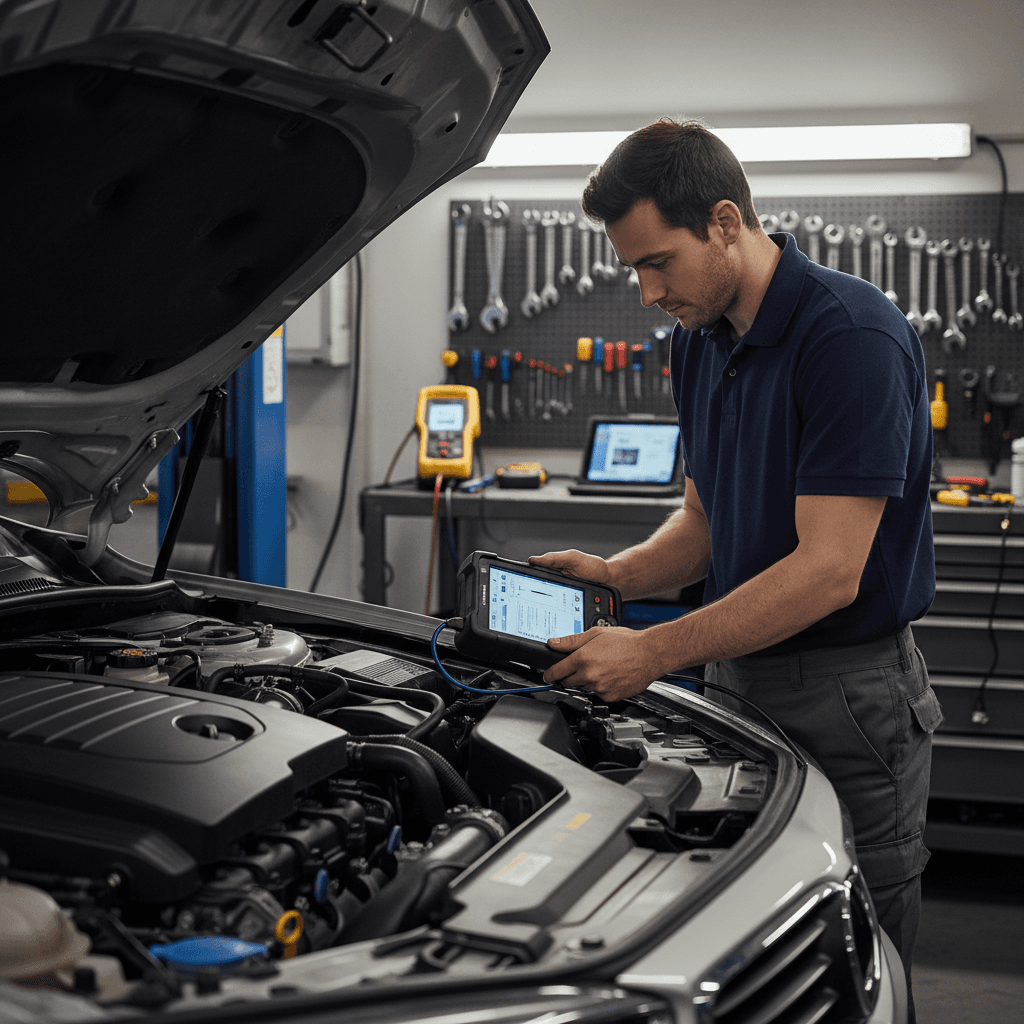
When you experience your car air conditioning not blowing cold air, the most frequent cause is a loss of that refrigerant. Because the system is sealed, a low level indicates a leak somewhere in the lines, seals, or components. In our harsh local climate, extreme temperature swings and dry air can accelerate the wear on rubber seals and gaskets. Identifying the root cause requires specialized tools and reliable automotive repair and maintenance to ensure the system can hold a vacuum before any fresh refrigerant is added.
Top 5 Reasons Your AC Is Blowing Air but Not Cooling
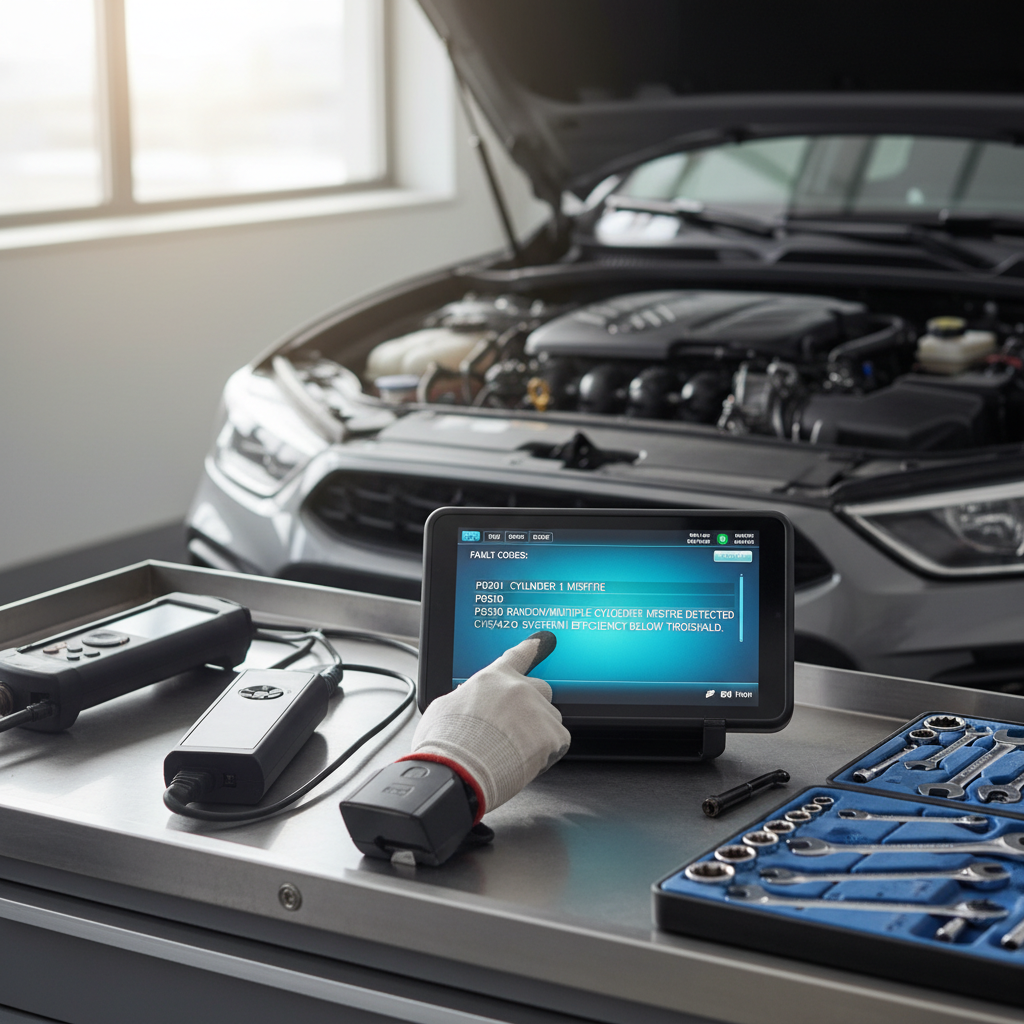
Identifying why the air remains lukewarm requires looking at the technical health of several interconnected parts. While the fan might be working perfectly, the cooling cycle is likely broken in one of these five specific areas. Identifying the root cause is the first step toward restoring comfort.
Refrigerant Leaks: The AC system is designed to be hermetically sealed. Any loss of pressure is a sign of a physical breach. Leaks often occur in the rubber hoses that vibrate during travel or in the O-rings and seals that can dry out and crack in our arid, high-desert climate. If the evaporator or condenser develops a pinhole leak, the system cannot maintain the pressure necessary to transition the refrigerant from a gas to a liquid.
Failed Compressor: Often called the heart of the AC system, the compressor is responsible for pressurizing the refrigerant and circulating it through the loop. If the compressor seizes or the clutch fails to engage, the refrigerant simply stays still. In Carbon County, the steep grades and mountain driving put additional strain on the engine and its belt-driven accessories. A compressor that is already wearing down may finally give up when under the heavy load of climbing a canyon road.
Clogged Condenser: Located at the very front of your vehicle, the condenser looks like a small radiator. It relies on ambient air to dissipate the heat absorbed from your cabin. Our local environment is full of dust from mining operations, construction, and unpaved roads. When this debris or even just local insects clog the delicate fins of the condenser, the refrigerant cannot shed its heat, leaving you with warm air inside.
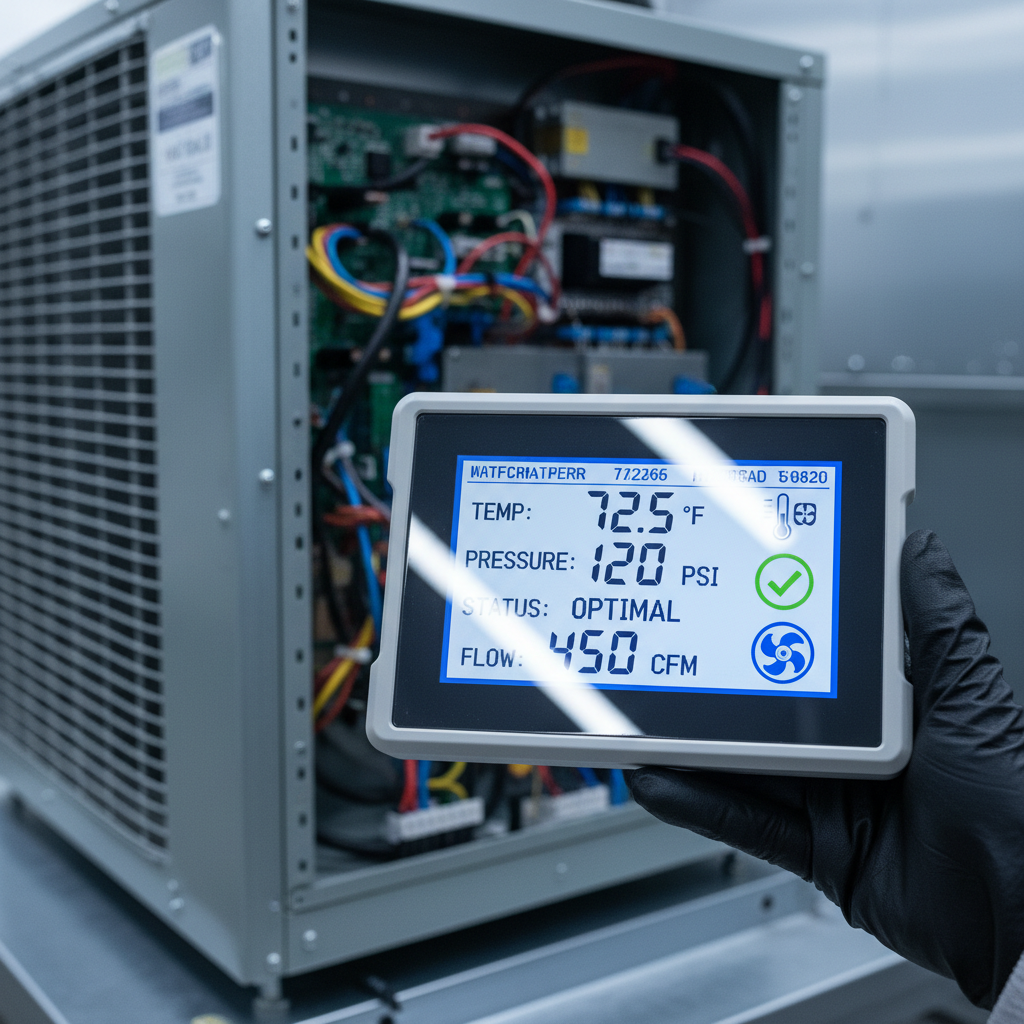
Electrical Issues: Modern AC systems are managed by a network of sensors, fuses, and relays. A single blown fuse or a faulty relay can prevent the compressor from receiving the signal to turn on. These issues are sometimes difficult to spot without professional diagnostic equipment, as the physical components may appear to be in good condition.
Broken Cooling Fans: When you are driving at highway speeds, enough air is forced through the grille to cool the condenser. However, when you slow down or stop, the system relies entirely on electric cooling fans. If these fans fail or the motors burn out, the refrigerant remains hot, and the cooling process stalls.
Component | Primary Function | Common Failure in Carbon County |
|---|---|---|
Compressor | Circulates and pressurizes refrigerant | Seized bearings or clutch failure from high engine loads |
Condenser | Releases heat to the outside air | Blockage from road dust, mining debris, or insects |
Evaporator | Absorbs heat from the cabin | Corrosion or leaks in the internal core |
Expansion Valve | Regulates refrigerant flow | Clogs from internal debris or moisture |
Cooling Fans | Pulls air through the condenser | Blown motors or faulty relays |
If your car air conditioning not blowing cold air is becoming an unbearable problem, it is important to address it before the lack of lubrication, which is carried by the refrigerant, causes permanent damage to the internal components. For a thorough inspection and reliable automotive repair and maintenance, having a technician check these five areas is the first step toward a comfortable commute.
Why Your Car AC Is Not Cold When Idling or Stopped
A common complaint we hear from Price and Helper drivers is that their air conditioning works perfectly at highway speeds but fails the moment they hit a red light. If you notice your car air conditioning not blowing cold air specifically when you are stopped or idling, the problem is almost always related to airflow across the condenser.
While the vehicle is moving, ram air is forced through the front grille and across the condenser coils, allowing the refrigerant to shed heat effectively. When the vehicle comes to a stop, the system can no longer rely on the car's forward motion. Instead, it switches its dependency to the electric cooling fans located behind the radiator. These fans must pull enough air through the system to keep the heat exchange process moving.
In the high-desert environment of Carbon County, two factors often collide to cause this failure. First, the electric fan motors can wear out or fail due to the heavy cycle demands of our 90-degree summers. Second, the fine dust from local mining operations and unpaved roads can physically coat the condenser fins. This layer of dirt acts as an insulator, preventing the heat from escaping even if the fans are spinning. If the fans are weak or the condenser is partially blocked, the system simply cannot keep up without the help of highway-speed winds.
Diagnosing this early can prevent the compressor from overheating and failing prematurely. If your vents turn warm the second you pull off the highway, it is a clear signal to contact Keith Auto & Sales so we can test your fan relays and clear any debris from your cooling stack.
The Impact of Carbon County Dust on Your Cabin Air Filter
Living in Carbon County involves dealing with a constant layer of fine dust from mining operations, construction sites, and our many unpaved ranch roads. Your cabin air filter is the primary defense against this grit, trapping particles before they reach your lungs or the sensitive components of your HVAC system. While general maintenance schedules might suggest long intervals, local conditions in rural Utah clog these filters much faster than the national average.
A severely restricted filter does more than just reduce the breeze from your vents; it can cause the entire system to fail. When airflow is restricted, there isn't enough warm air passing over the evaporator coil to keep it from getting too cold. This causes the moisture on the coil to freeze, creating a literal block of ice that prevents any air from getting through. You may notice the air getting warmer and the airflow getting weaker until the system stops cooling entirely.
For drivers in Price and the surrounding areas, we recommend inspecting the cabin air filter every 12,000 miles or at least once a year. Replacing a dirty filter is a quick and affordable part of reliable automotive repair and maintenance that prevents the evaporator from icing up and protects your blower motor from premature wear. If your airflow feels weak, a simple filter swap is often the most cost effective solution.
How Often Should You Recharge Your Car AC System?

Many drivers ask how often they should top off their AC refrigerant, often treating it like a routine oil change. However, your vehicle’s air conditioning is a closed system. Refrigerant does not get used up or evaporate over time under normal operating conditions. If you find your car air conditioning not blowing cold air because the levels are low, it almost certainly indicates a leak. Consequently, a recharge should be viewed as a repair rather than standard maintenance.
When you bring your vehicle to Keith Auto & Sales for reliable automotive repair and maintenance, we follow a specific evacuate and recharge process. First, we use specialized equipment to remove any remaining refrigerant and oil from the system. Next, we pull a deep vacuum on the lines. This serves two purposes; it removes moisture that can destroy the compressor, and it allows us to monitor if the system can hold that vacuum without leaking. Only after the system passes this test do we add fresh refrigerant and lubricant to the exact weight specified by the manufacturer.
While you do not need a recharge on a set schedule, most manufacturers suggest a professional inspection of the seals, hoses, and pressures every two years. Catching a small leak early prevents the compressor from running dry of lubricant, which is what leads to catastrophic and expensive mechanical failure. If you suspect your system is losing its cooling power, you can contact Keith Auto & Sales to have the pressures tested and the system verified before the peak of summer heat hits Carbon County.
Is It Worth Fixing the AC in an Older Vehicle?
Deciding whether to invest in an aging vehicle depends on a transparent assessment of the repair cost versus the car's overall health. Many owners worry that car air conditioning not blowing cold air automatically signifies an expensive compressor replacement. In reality, the culprit is often a simple electrical relay or a small O-ring that has perished in our dry Utah air. These minor components are accessible parts of reliable automotive repair and maintenance that can restore comfort for a fraction of the vehicle's market value.
In Carbon County, functional AC is a safety priority during 90-degree summers. High-desert heat can lead to driver fatigue or heat exhaustion, especially for families with small children or seniors traveling between Price and Helper. If a diagnostic shows that a major repair is required and the cost is disproportionate to the car's worth, it might be time to move on.
We provide a straightforward experience for those considering an upgrade. If your current car is no longer worth the investment, you can contact Keith Auto & Sales to discuss trading it in. We maintain a selection of quality pre-owned vehicles that offer reliable cooling systems designed to handle our local climate. Our goal is to keep you safe and comfortable on the road, regardless of whether that involves a quick repair or a new set of keys.