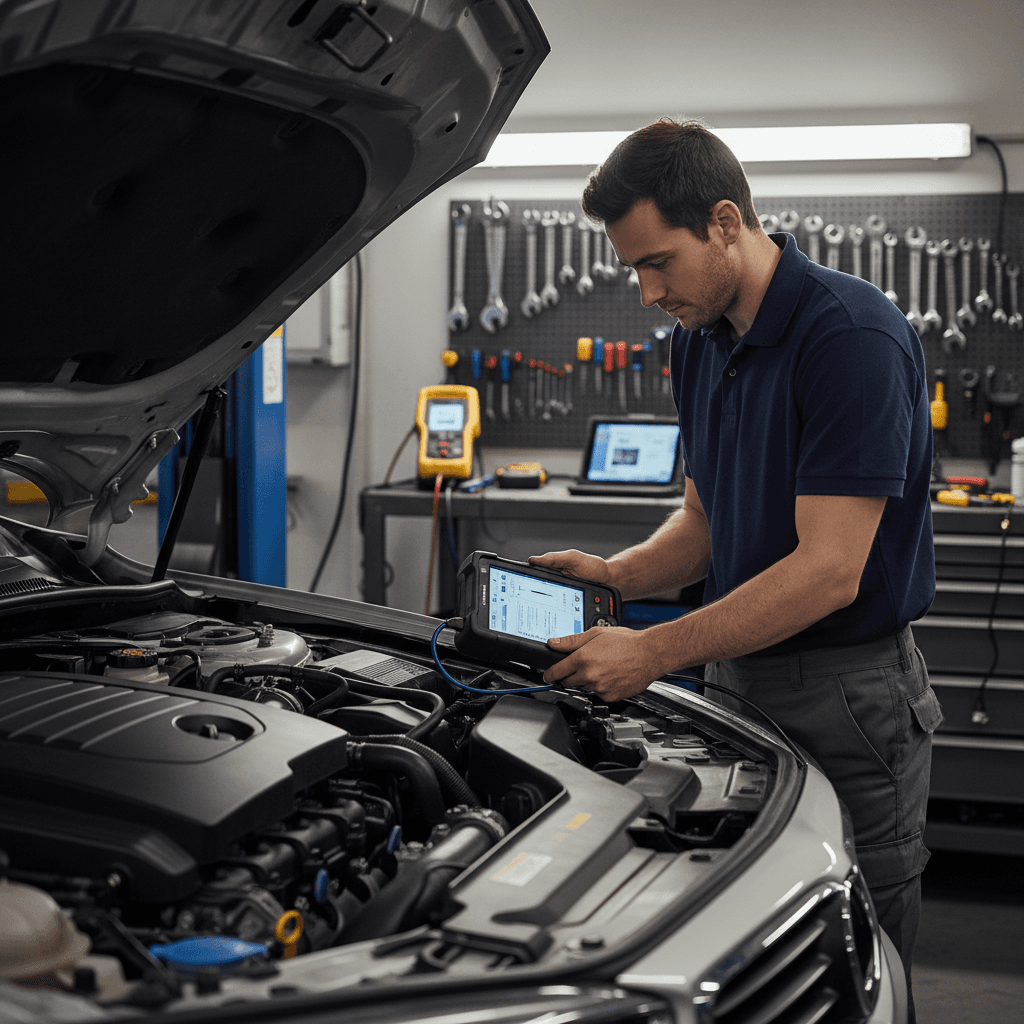
The essential car fluids to check regularly include engine oil, coolant, transmission fluid, brake fluid, and power steering fluid. Depending on the vehicle and oil type, you should change engine oil every 3,000 to 7,500 miles and inspect all other fluid levels monthly to ensure safety and prevent engine damage.
Navigating the steep inclines of the Wasatch Range or the unforgiving heat of the Utah desert requires a vehicle that operates at peak efficiency. Many Carbon County drivers experience the frustration of a sudden breakdown, only to realize that a simple fluid check could have prevented a costly tow. These vital liquids act as the lifeblood of your engine, cooling systems, and transmission; they protect your investment against the extreme seasonal shifts common in our region. In this guide, Keith Auto and Sales provides a comprehensive checklist of the six essential fluids you must monitor monthly. We will explore how local mountain driving impacts your engine oil, why standard service intervals often fail under severe conditions, and how to maintain your braking system for safe descents. Proper maintenance ensures your vehicle remains reliable, whether you are commuting through Price or exploring the backcountry.
Why Carbon County Drivers Need a Specific Fluid Maintenance Strategy
Most vehicle owner's manuals are written for a hypothetical average driver in a flat, mild climate. In Carbon County, your daily drive is anything but average. The steep elevation changes between Price and Soldier Summit force engines and transmissions to work under heavy loads that flatland drivers never experience. When you add the extreme temperature swings of our high desert environment, which shifts from scorching summer heat to frigid mountain winters, your vehicle fluids are pushed to their physical limits.
Local rural roads also introduce significant amounts of dust and grit into your systems. These specific environmental factors mean that most Utah vehicles actually fall under the "Severe Service" category defined by manufacturers. Relying on a generic schedule can lead to premature wear or unexpected breakdowns on Highway 6. To ensure long term reliability, local drivers need a specialized strategy for the essential car fluids to check. Following a comprehensive 30,60,90 car maintenance rule tailored for high altitude and extreme weather is the best way to protect your investment. At Keith Auto & Sales, we emphasize that consistent automotive repair and maintenance services are the only way to counteract the unique wear and tear of our rugged landscape.
The Core 6: Essential Car Fluids to Check Monthly
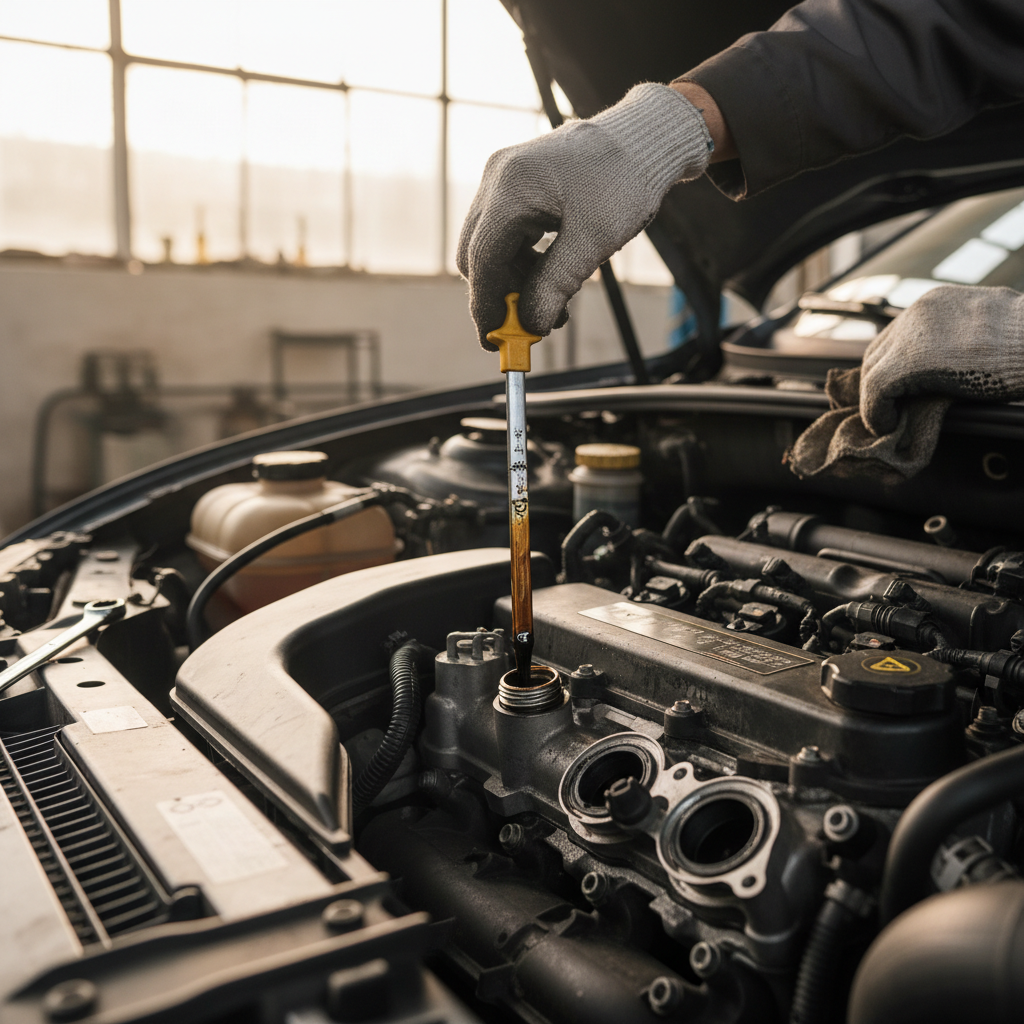
Building a habit of inspecting your vehicle every thirty days can prevent a minor low-fluid situation from turning into a major mechanical failure. When reviewing your personalized checklist of car fluids to check, focus on these six core components:
Engine Oil: It lubricates internal moving parts to reduce friction and helps dissipate heat. In our high-elevation environment, keeping oil at the proper level is the first line of defense against engine wear.
Coolant (Antifreeze): This fluid regulates engine temperature by absorbing heat and releasing it through the radiator. It also prevents the engine block from freezing during Price's sub-zero winter nights.
Transmission Fluid: This serves as both a lubricant and a hydraulic fluid for the gearbox. It keeps the gears moving smoothly and helps cool the transmission during long climbs.
Brake Fluid: As a hydraulic medium, brake fluid transfers the force from your foot on the pedal directly to the brake pads. Because it is non-compressible, it ensures immediate stopping power.
Power Steering Fluid: This pressurized fluid allows you to turn the wheels easily. It is essential for maintaining control on winding mountain passes.
Windshield Washer Fluid: This simple solvent is critical for visibility. It clears away the thick dust of summer and the corrosive road salt used during Utah winters.
Identifying a low level or a change in fluid color during a monthly inspection is a key part of proactive automotive repair and maintenance services. If you are looking for a vehicle that has been well-maintained through these cycles, our used-car buying experience focuses on transparency regarding a vehicle's history and condition. Each of these fluids plays a distinct role in keeping your car operational and safe on rural roads.
Engine Oil: Understanding Intervals for Utah Mountain Driving
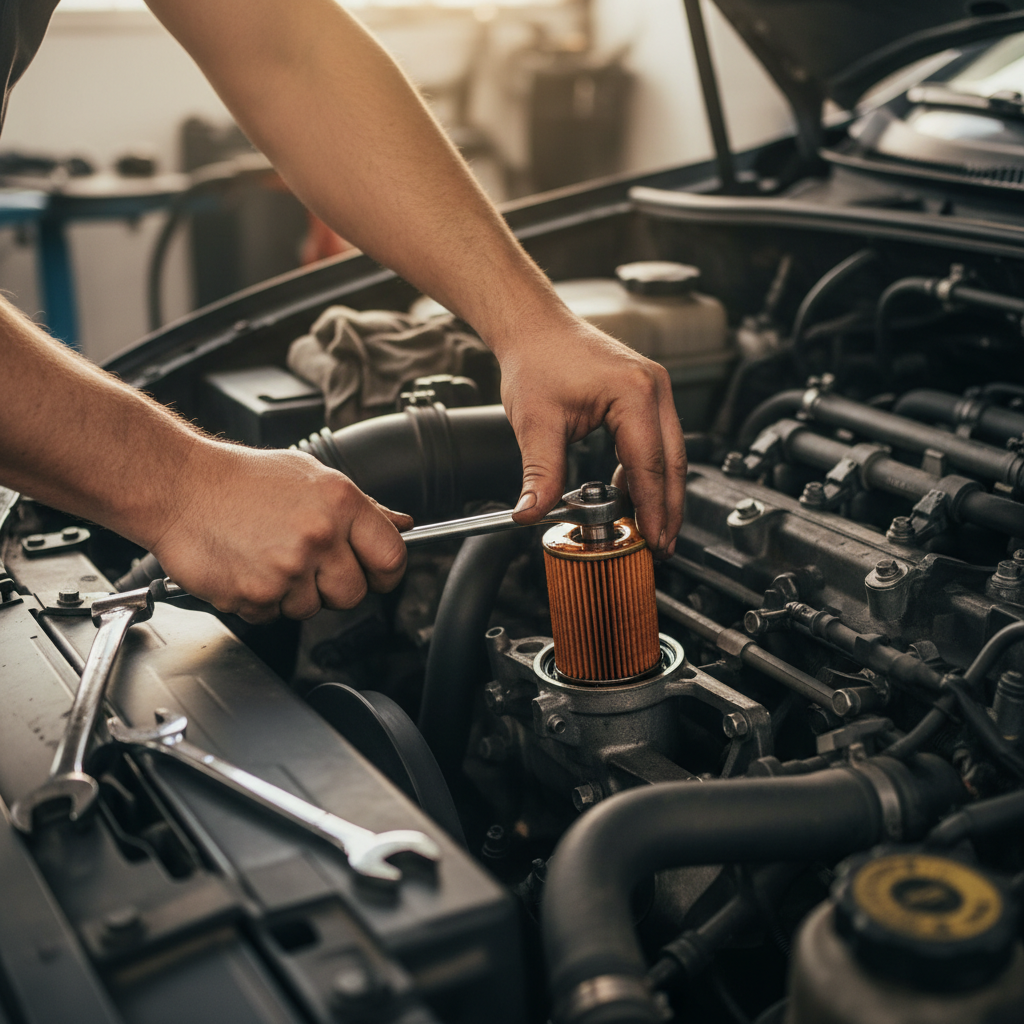
Among all the car fluids to check, engine oil requires the most nuanced understanding of timing. While modern vehicle manuals often suggest intervals of 7,500 or even 10,000 miles, those figures assume ideal, flat-land driving in moderate weather. In Carbon County, engine oil faces two primary enemies: extreme thermal stress from mountain climbing and moisture accumulation from short, cold-weather trips.
Conventional oil, which is refined from crude, typically lacks the chemical stability to handle these extremes for long. Synthetic oil is engineered to resist breaking down under high heat and flows more easily in sub-zero temperatures. For drivers frequently traveling between Price and higher elevations, synthetic oil offers far better protection against the friction caused by heavy engine loads. Even with synthetic oil, however, local conditions usually dictate a shorter interval than the manufacturer's maximum recommendation.
Oil Type | Standard Highway Interval | Utah/Severe Service Interval |
|---|---|---|
Conventional | 5,000 Miles | 3,000 Miles |
Synthetic Blend | 7,500 Miles | 5,000 Miles |
Full Synthetic | 10,000 Miles | 5,000 – 7,500 Miles |
A common question we hear is whether 8,000 miles is too long for an oil change. For a vehicle operating in the high desert and mountains, 8,000 miles is almost always too long. The heavy load of climbing grades and the stop-and-go nature of local driving mean the oil accumulates contaminants and loses its protective viscosity much faster.
Ignoring these shorter intervals can lead to internal sludge buildup, which eventually restricts oil flow. Maintaining a tighter schedule is a fundamental part of automotive repair and maintenance services that preserve the engine's lifespan. By sticking to a 5,000-mile limit for most local driving, you ensure the oil remains effective enough to protect vital components against the specific rigors of the Utah landscape.
Coolant and Antifreeze: Protecting Your Engine from High Desert Heat
While oil handles friction, coolant manages the sheer thermal load of the high desert. In Carbon County, this fluid must perform two contradictory jobs: preventing your engine from boiling over in triple digit summer heat and keeping the engine block from cracking during a sub zero winter night. We recommend a strict 50/50 ratio of distilled water to antifreeze. Pure water boils too easily and freezes too quickly; conversely, pure antifreeze cannot transfer heat effectively on its own.
Altitude plays a significant role in this chemistry. As you climb toward Soldier Summit, the decrease in atmospheric pressure naturally lowers the boiling point of liquids. A weak coolant mixture that works fine at sea level might fail under the pressure of a Utah mountain grade, leading to a sudden overheat. When performing your monthly inspection of car fluids to check, look beyond the level on the plastic reservoir. The fluid should be translucent and brightly colored, typically green, orange, or pink. If the liquid appears murky, rusty, or contains floating debris, the protective additives have likely broken down. Ensuring your cooling system is properly maintained is a cornerstone of professional automotive repair and maintenance services, providing necessary peace of mind before you commit to long, isolated stretches of Highway 6 or I-15.
Brake Fluid and Transmission Fluid: The Heroes of Mountain Descents and Climbs
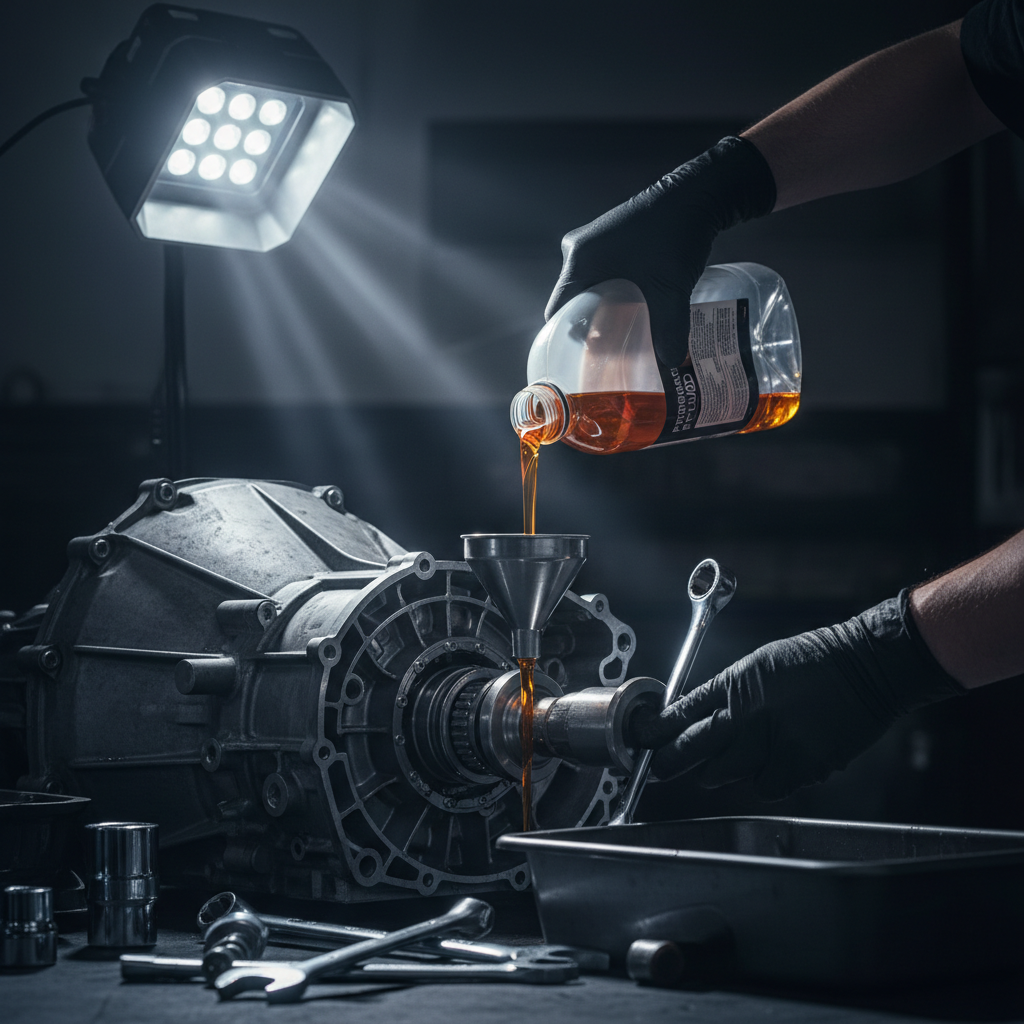
When pulling a trailer or a heavy load up the steep grades outside of Price, your transmission is fighting both gravity and intense heat. This is where transmission fluid earns its reputation as a critical component. It functions as a lubricant, a cooling agent, and the hydraulic medium that allows for crisp gear shifts under heavy load. High temperatures are the primary cause of transmission failure; mountain driving accelerates fluid oxidation, which turns the fluid dark and reduces its ability to protect internal gears. For Carbon County drivers, a professional transmission flush is recommended every 30,000 to 60,000 miles. If you frequently tow through the canyons, staying on the lower end of that interval is the best way to avoid costly automotive repair and maintenance services down the road.
On the descent, your focus shifts to the brake system. Brake fluid is hygroscopic, meaning it naturally absorbs moisture from the air. This is a significant concern in our climate because moisture significantly lowers the fluid's boiling point. As you navigate long downhill stretches, the heat generated by your brakes can cause old, water-laden fluid to boil, creating steam pockets in the brake lines. This results in "brake fade," a dangerous condition where the pedal feels spongy and stopping power diminishes. To ensure reliability, we recommend a brake fluid flush every two years. Keeping these two systems at the top of your car fluids to check list is essential for mountain safety. Our used-car buying experience emphasizes vehicles that have had these critical hydraulic systems maintained properly to handle Utah’s unique topography.
Don't Forget the Basics: Power Steering and Windshield Washer Fluid
While they may seem secondary, power steering and washer fluids are vital for safety on rural Utah roads. Power steering fluid provides the hydraulic pressure needed to navigate the tight bends of Indian Canyon or Nine Mile Canyon. If the fluid level drops, the steering pump can overheat and seize, leading to a repair bill far higher than the cost of a simple top-off. When assessing your car fluids to check, look for a clear or reddish tint. Dark, burnt-smelling fluid indicates it is time for professional automotive repair and maintenance services to prevent pump failure.
Windshield washer fluid is equally critical for maintaining visibility against the corrosive road salt and magnesium chloride used during Price winters. A common mistake is using a summer-grade fluid that freezes in the reservoir during a Carbon County cold snap. This can burst the fluid lines or the reservoir itself. We recommend switching to a winter-blend fluid rated for -20°F or lower to ensure you can clear road grime instantly, even in sub-zero temperatures. Keeping these reservoirs full is a simple but essential step for every driver in the region.
The Severe Service Definition: When the 10,000 Mile Goal Fails
Many drivers see the 10,000 mile interval printed in their owner's manual and assume it applies to every situation. However, vehicle manufacturers define "Severe Service" based on specific environmental stressors that are nearly universal in Carbon County. If you regularly tow a trailer up Highway 6, drive on unpaved rural roads that kick up dust, or let your vehicle idle for fifteen minutes to defrost the windshield in January, you are a severe service driver. This designation is a mechanical reality rather than a suggestion. Frequent trips shorter than five miles in freezing weather prevent fluids from reaching full operating temperatures, which allows moisture and acids to accumulate in the system.
Following a comprehensive 30,60,90 car maintenance rule designed for severe service is the most effective way to protect your engine. Beyond mechanical health, staying ahead of your car fluids to check list directly impacts your bottom line. In the local market, a vehicle with a documented history of frequent automotive repair and maintenance services commands a much higher price. A transparent used-car buying experience relies on this proof that the owner understood Utah's unique demands and proactively countered the effects of mountain driving.
Keeping your vehicle's fluids at the correct levels is one of the simplest ways to ensure reliability on the roads of Carbon County. Regular monitoring of your oil, coolant, and brake fluid helps prevent long-term damage and expensive repairs. While checking these levels at home is a great start, a comprehensive inspection ensures nothing is missed. If you want expert help maintaining your car, you can browse our professional services to see how we can assist you.