When determining what to check when buying a used car, prioritize a thorough mechanical inspection of the engine, transmission, and suspension to avoid hidden repair costs. You must also evaluate the exterior body for rust or damage, inspect tire condition, and verify the vehicle history report and title status for safety. Utah drivers should consider a professional pre-purchase inspection to ensure the vehicle meets local standards and is worth the investment.
Buying a used car in Utah can feel like navigating a minefield of hidden mechanical failures and salt-induced rust. You want a reliable vehicle for your daily commute or weekend mountain trips, yet the fear of overpaying for someone else's problem often causes unnecessary stress. At Keith Auto & Sales, we believe that informed buyers make the best decisions for their long-term safety. This guide provides a comprehensive mechanical checklist tailored specifically to the unique demands of Utah driving. You will learn how to inspect vital engine fluids, evaluate brake performance for steep descents, and identify early signs of corrosion. We will also cover essential diagnostic codes and your legal rights during private party sales. Armed with this expert knowledge, you can approach your next vehicle purchase with the confidence of a professional mechanic.
Why Utah Drivers Need a Specific Mechanical Checklist
Buying a used car in Carbon County is different than buying one in a flat, mild climate. A generic internet checklist fails to account for how a transmission handles the steep grades of Price Canyon or how the undercarriage reacts to the heavy salt used on Utah winter roads. These local factors dictate what to check when buying a used car to ensure you are not inheriting hidden mechanical fatigue.
High altitude climbs and extreme temperature swings place immense pressure on cooling systems, batteries, and brakes. At Keith Auto & Sales, we believe in a used-car buying experience built on transparency and honest communication about a vehicle's history in these conditions. This guide focuses on the specific mechanical vulnerabilities common in the Intermountain West, moving beyond basic aesthetics to ensure you find reliable automotive repair and a vehicle capable of handling our rugged local terrain safely. Generic advice might overlook the subtle signs of mountain wear; this checklist will not.
Under the Hood: The Engine and Fluid Vital Signs
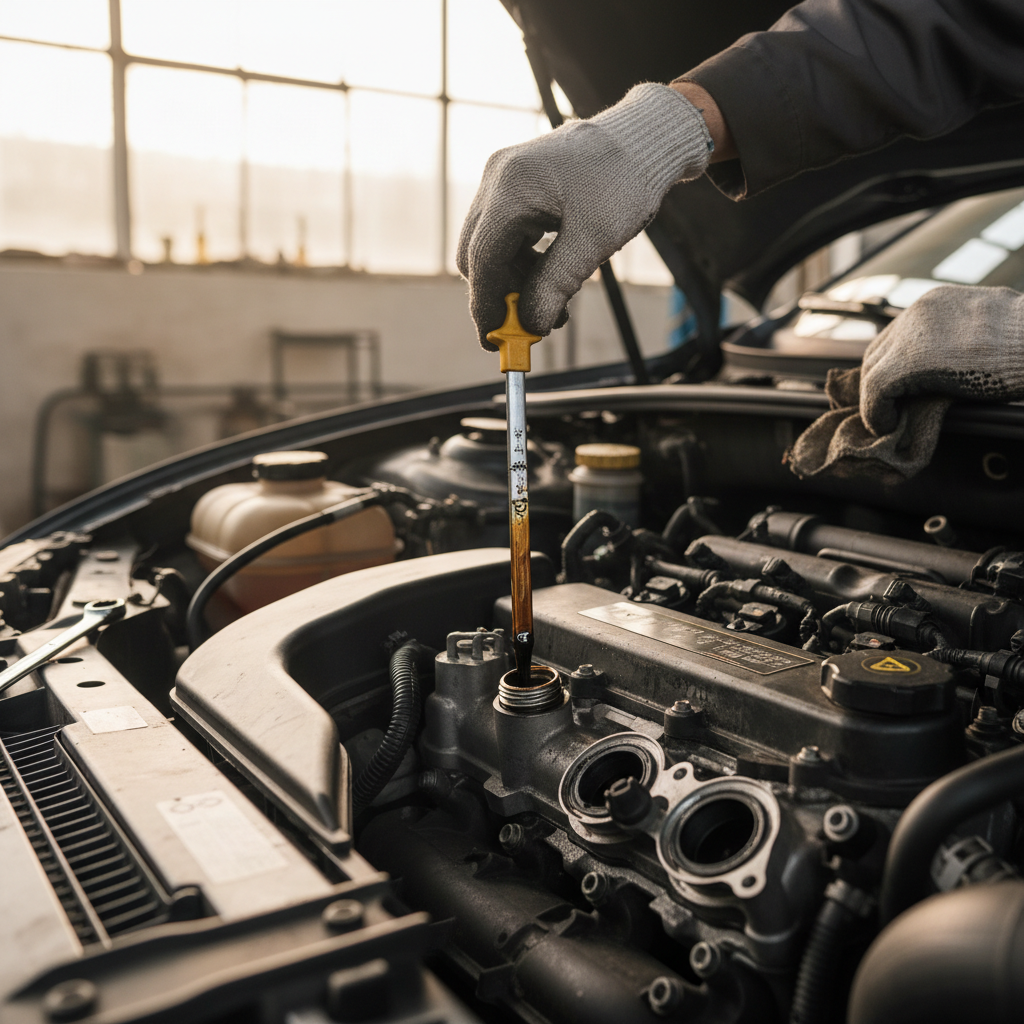
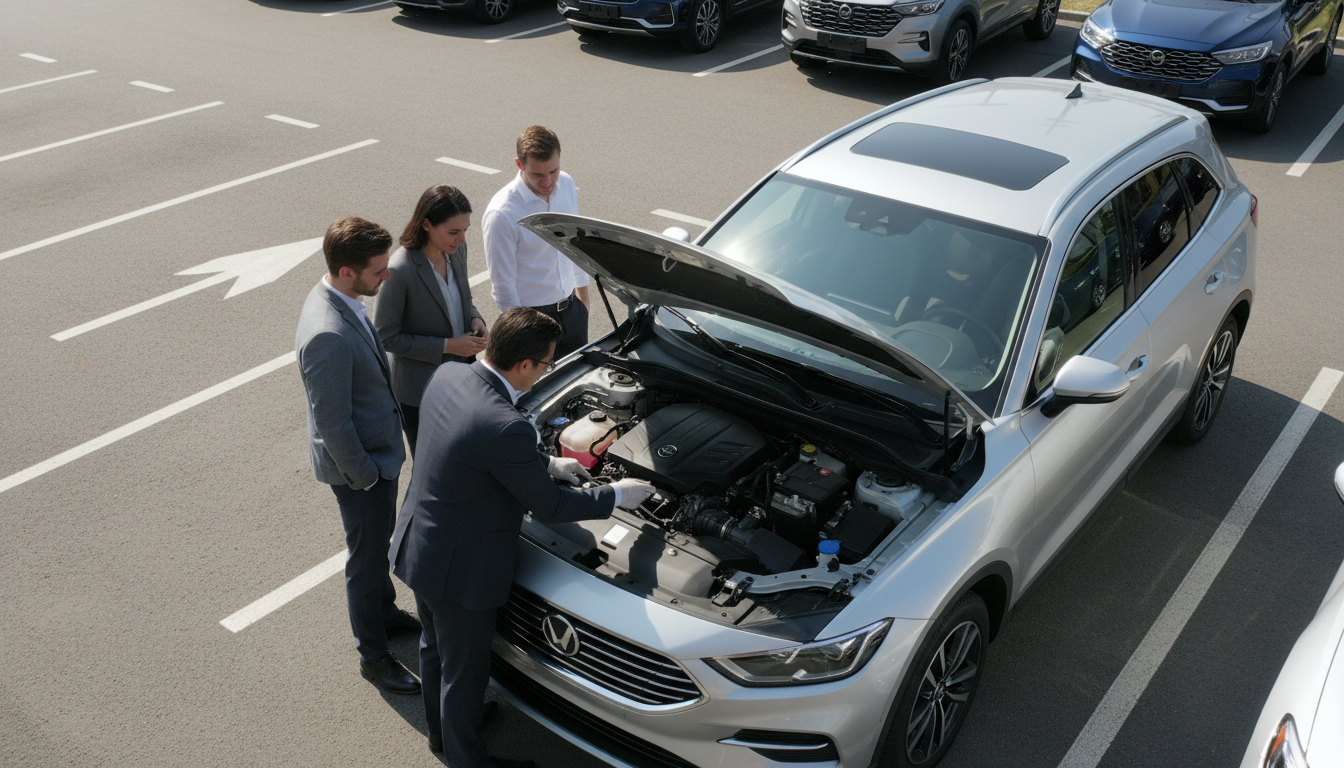
Evaluating the engine bay is the most critical phase of determining what to check when buying a used car, as the fluids act as a diagnostic window into the vehicle’s history. Start with the engine oil by pulling the dipstick and examining the texture. While dark oil simply suggests a need for reliable automotive repair, a milky, frothy, or "chocolate milk" appearance is a severe warning sign. This usually indicates that coolant has mixed with the oil, often due to a blown head gasket, a repair that can cost thousands and leave you stranded on a mountain pass.
Next, inspect the coolant system. Look at the plastic overflow reservoir and around hose connections for any crusty orange, green, or pink residue. These deposits are dried coolant, signaling slow leaks that might cause the engine to overheat during a climb through the local canyons. The fluid itself should be translucent, not cloudy or filled with floating debris.
Utah’s steep terrain also puts significant pressure on the hydraulic systems. Check the brake fluid level and color; it should be clear to light amber. If the fluid is dark or murky, it has likely absorbed moisture, which lowers the boiling point and leads to dangerous brake fade during long descents. For the transmission fluid, ensure the vehicle is at operating temperature before checking the dipstick. The fluid should be bright red or pink. A burnt smell or a dark brown color indicates the transmission has been overworked, a common issue for vehicles used for heavy towing or frequent high altitude driving.
Finally, examine the battery and its terminals. Carbon County experiences extreme temperature swings that accelerate chemical breakdown. Look for white, powdery corrosion on the battery posts. While a simple cleaning might fix a minor connection issue, heavy buildup often indicates a battery nearing the end of its life or an alternator that is overcharging, both of which compromise your vehicle's reliability in remote areas.
Brakes and Suspension: Essential for Mountain Driving
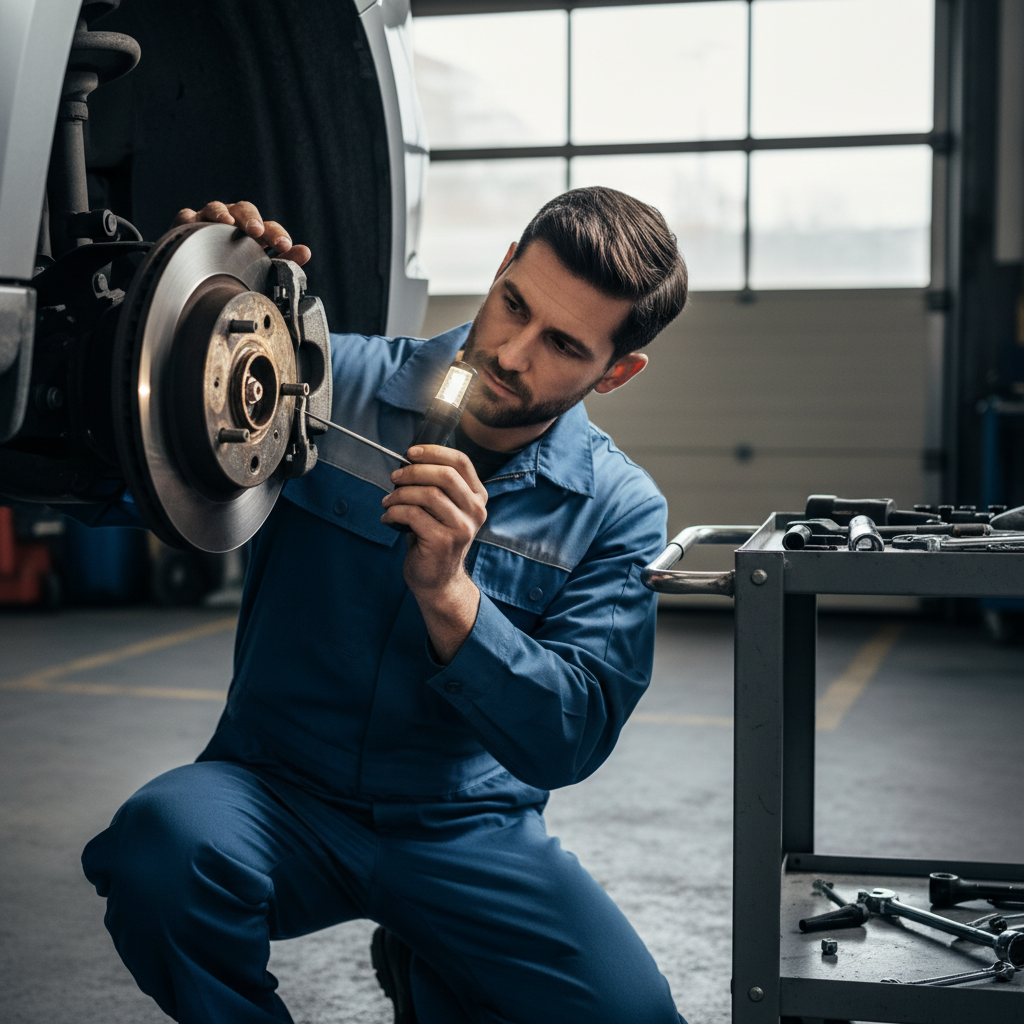
Moving from the engine bay to the wheel wells is vital because navigating Highway 6 or the winding descents of Price Canyon requires more than just a running engine; it demands absolute confidence in your stopping power. When considering what to check when buying a used car, peer through the wheel spokes to inspect the brake rotors and pads. Rotors should be smooth and free of deep grooves or heavy rusted scaling on the friction surface. Thinning brake pads, specifically those with less than a quarter inch of material remaining, indicate an immediate need for reliable automotive repair. In Carbon County, extreme heat cycles from long downhill braking can warp these rotors, so look for a blueish discoloration that suggests previous overheating.
The suspension system takes a relentless beating on Utah’s uneven rural roads and from the abrasive road salt used throughout the winter. A worn suspension is a significant red flag because it affects steering stability and tire contact during emergency maneuvers. To evaluate this, perform a bounce test at each corner of the vehicle. Push down firmly on the hood or trunk and release; the car should rebound and settle almost immediately. If the vehicle continues to oscillate or feels excessively spongy, the struts or shocks are likely blown. Furthermore, look for oily residue on the shock bodies, which indicates a seal failure. Because these components are essential for maintaining control on steep mountain grades, any signs of leakage or excessive bouncing should be factored into your final offer or addressed through a professional Pre-Purchase Inspection before you commit.
The Exterior Inspection: Spotting Hidden Damage and Rust
While the suspension affects how the car rides, the body and frame reveal its history and its future longevity in the Carbon County climate. Start your exterior walk-around in bright, natural light to look for mismatched paint tones or panels that do not line up perfectly. Uneven gaps between the hood and fenders, or doors that do not sit flush, are significant indicators of past collisions that may not appear on a vehicle history report. These inconsistencies suggest the frame might have been pulled or panels were replaced in a hurry, potentially compromising the vehicle's structural integrity.
In Utah, your most critical focus should be the undercarriage. Road salt used during our winters is highly corrosive, making it essential to distinguish between surface rust and structural rot. Surface rust appears as a thin, orange dusting on components and is generally acceptable for a used vehicle in the Intermountain West. However, if the metal is flaking off in large chunks or you see holes in the frame rails, the car has structural rot. This type of damage is a deal-breaker, as it weakens the vehicle's ability to protect you in a crash and makes future reliable automotive repair difficult or impossible.
When determining what to check when buying a used car, do not ignore the tires. Examine the tread for uneven wear; if the inside edge is worn smoother than the outside, the vehicle likely has alignment issues or worn-out ball joints. Ensuring the tires are in good condition is a vital part of a safe used-car buying experience, as poor rubber will fail quickly on rugged rural roads. These exterior details provide the context you need before moving inside to check the electronics.
Interior Electronics and Modern Diagnostic Codes
Once the exterior is vetted, move inside to evaluate the electronic health of the vehicle. Start with the bulb test. When you turn the ignition to the on position without starting the engine, every warning light on the cluster, including the ABS, Airbag (SRS), and Check Engine light, should illuminate. If a specific light fails to appear, the bulb may have been intentionally removed or disabled to hide a persistent fault. After starting the engine, these lights must turn off immediately. Any light that stays on indicates a need for reliable automotive repair.
Testing the climate control is non-negotiable in Carbon County. Utah’s extreme temperature swings mean a failing heater core or a leaking A/C compressor is more than an inconvenience; it is a safety risk during a winter blizzard or a summer heatwave. Run the A/C on its coldest setting and the heater on its highest, ensuring the air redirects correctly through the defrost, dash, and floor vents. Listen for clicking sounds behind the dash, which often signal failing blend door actuators.
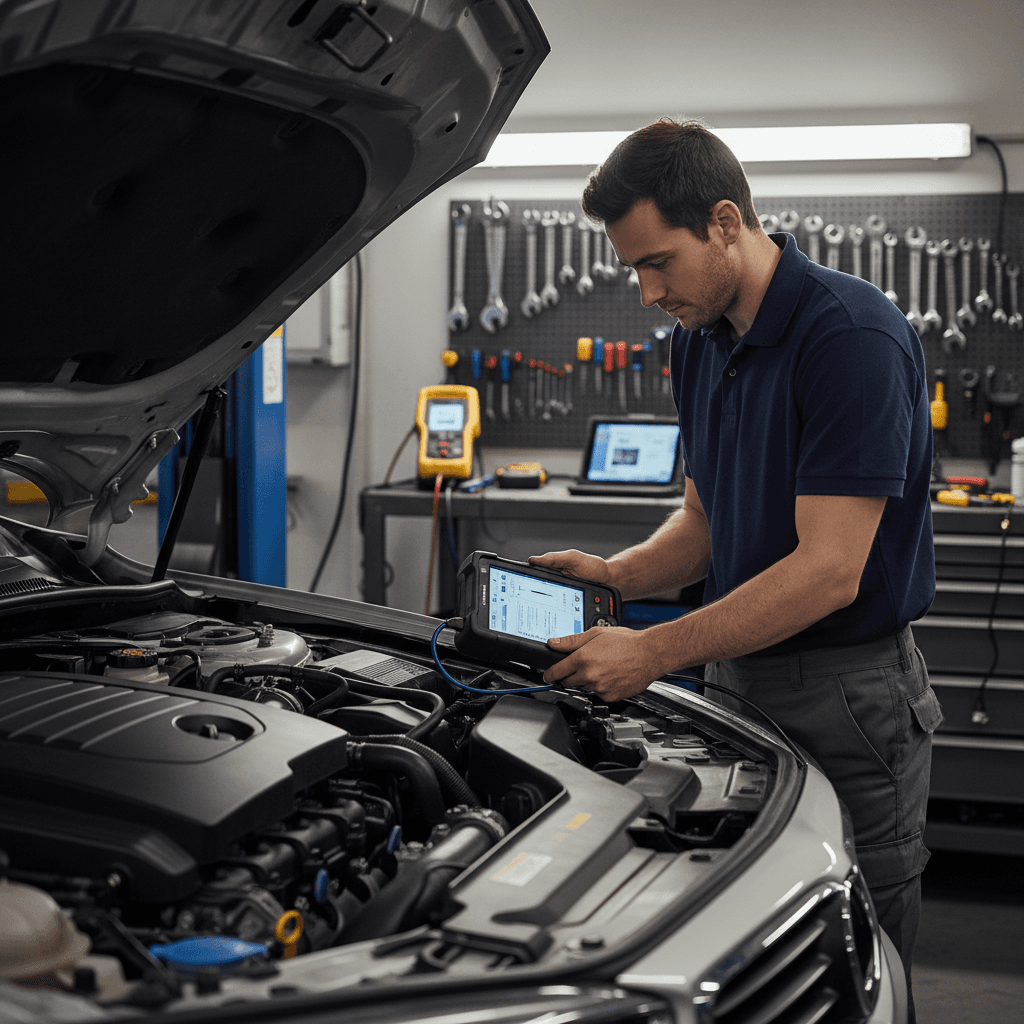
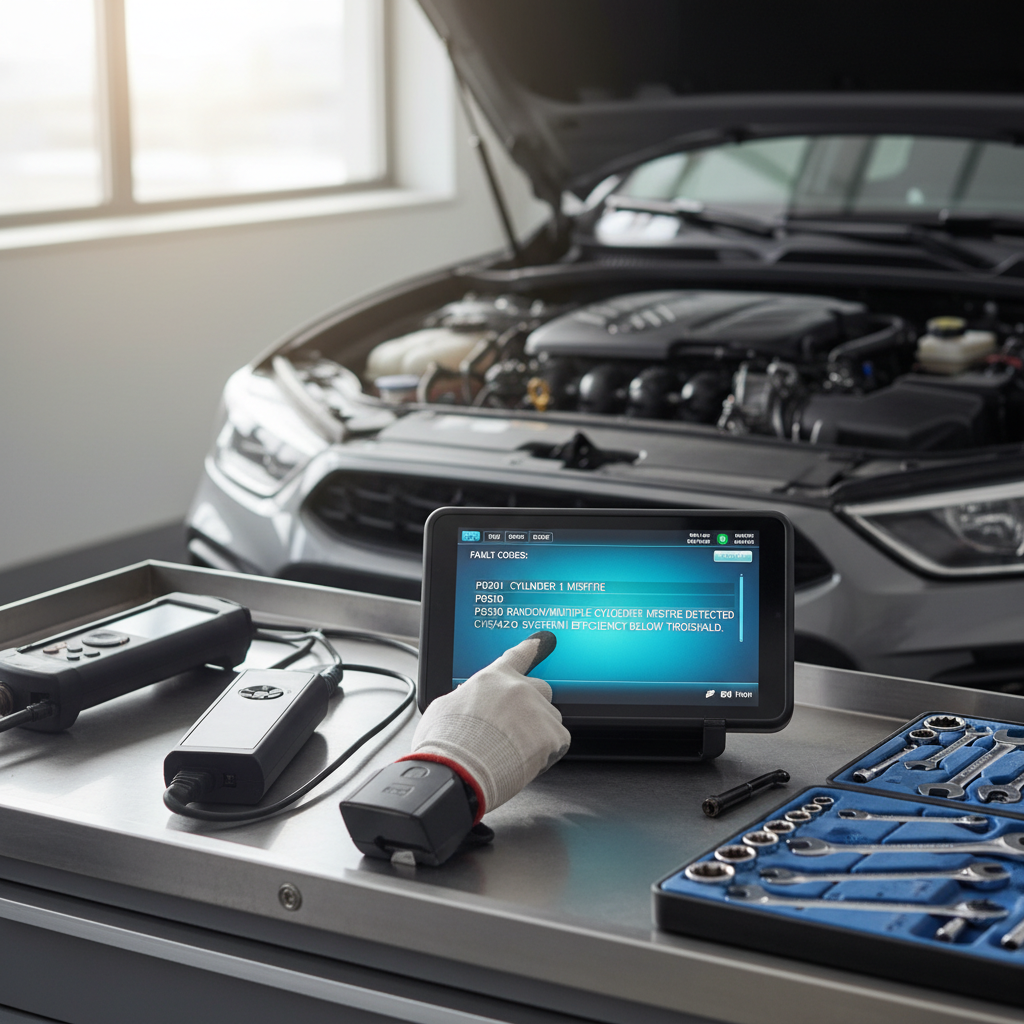
For a truly thorough used-car buying experience, bring a basic OBD2 scanner. Plugging this into the port under the dashboard allows you to see pending codes. These are faults the computer has detected but hasn't yet triggered a dashboard light for, or codes a seller may have recently cleared to mask an issue. Knowing what to check when buying a used car electronically can prevent you from driving off with a hidden, expensive sensor failure that only reveals itself after fifty miles of driving.
The Utah Test Drive: Real-World Performance Assessment
Moving from a stationary inspection to the road is where the most expensive hidden issues often reveal themselves. Start the engine and shift the vehicle through its gears while stationary. Listen for heavy clunks or jerks when moving from Park to Drive or Reverse. These sounds often point to worn engine mounts or failing universal joints, which are common points of failure for high-mileage mountain vehicles.
Once on the road, bring the vehicle up to 60 MPH on a smooth stretch of pavement. A rhythmic vibration through the steering wheel at highway speeds typically indicates unbalanced tires, bent rims, or worn suspension bushings. Apply the brakes firmly while decelerating from these speeds. A pulsing sensation in the brake pedal suggests warped rotors that have been overheated, requiring reliable automotive repair to correct the shimmy.
In Carbon County, the ultimate performance metric is how the vehicle handles a grade. Find a slight incline to test the transmission logic. Pay close attention to how the vehicle handles downshifting as you accelerate up the hill. A significant delay, a sudden surge, or high RPMs without a corresponding increase in speed are major red flags. This step is a vital part of what to check when buying a used car because a transmission that slips under a mild load will not survive the steep climbs of the Intermountain West. Taking these steps ensures a more transparent used-car buying experience before you finalize the deal.
Understanding Utah Laws: Private Party Sales and Buyer Rights
Navigating the legal landscape is just as important as the mechanical one when finalizing a used-car buying experience. In Utah, there is no Buyer’s Remorse law for used vehicle purchases. Once money changes hands and the bill of sale is signed, the transaction is final. Most private party sales are legally considered As-Is, meaning the seller is not responsible for any mechanical failures that occur five minutes after you drive away. This lack of a safety net makes your initial inspection the only opportunity to catch costly defects.
You must verify that the Utah title is clean and physically present before any money is exchanged. Ensure the seller’s name matches the name printed on the front of the title and that there are no outstanding liens listed. Title jumping, where a seller never registered the car in their name to avoid taxes, is a major red flag that can prevent you from legally registering the vehicle in Carbon County.
Private party sales require higher mechanical scrutiny than dealership purchases because individuals have no regulatory oversight or business reputation to maintain. This is why knowing what to check when buying a used car is your only real protection against a bad investment. A common best practice for local buyers is the $3,000 rule: always keep a reserve of at least $3,000 beyond the purchase price. This fund ensures you can afford immediate needs like new tires or reliable automotive repair that may arise shortly after taking ownership.
The Professional Pre-Purchase Inspection: The Final Word
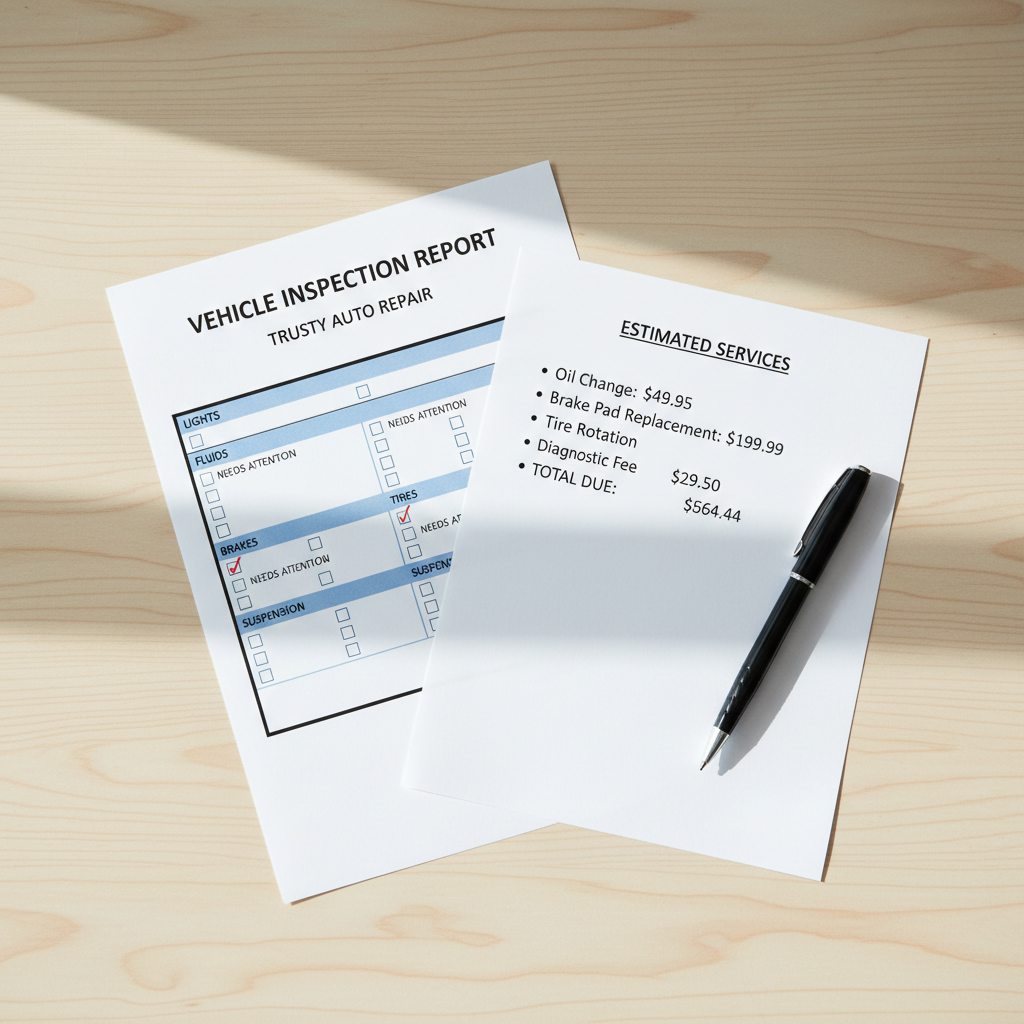
A driveway walkthrough identifies obvious flaws, but a professional Pre-Purchase Inspection provides a technical deep dive that no casual observer can replicate. This process involves lifting the vehicle to inspect the chassis for hairline fractures or differential leaks that are invisible from the curb. Our technicians perform high-level diagnostic scans to check for historical system failures stored in the vehicle's memory.
In a region where mountain driving accelerates wear, an unbiased local mechanic can identify if a car is truly roadworthy or a financial liability. At Keith Auto & Sales, we prioritize transparency, providing a clear report on reliable automotive repair needs before you sign the title. This small investment often saves buyers thousands by clarifying exactly what to check when buying a used car before the sale is finalized. It transforms a risky gamble into an informed used-car buying experience backed by technical expertise.