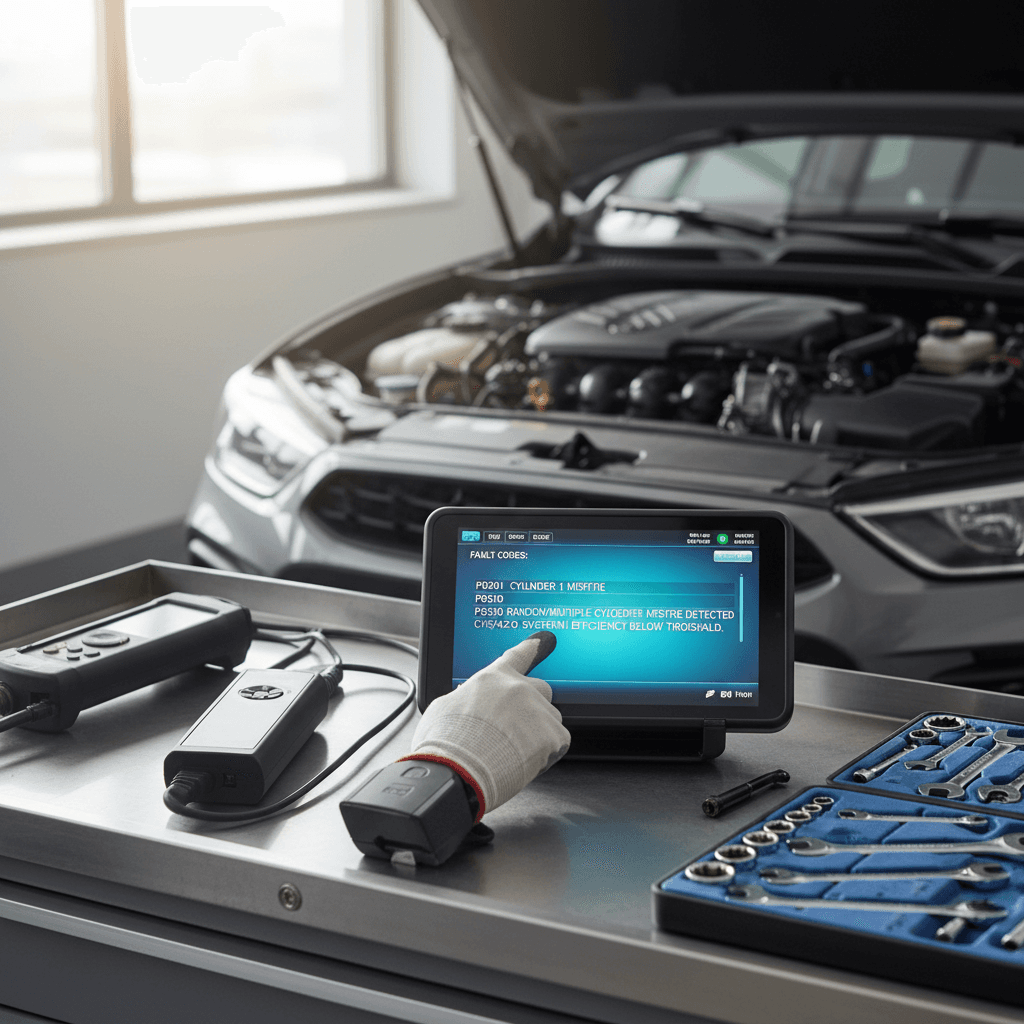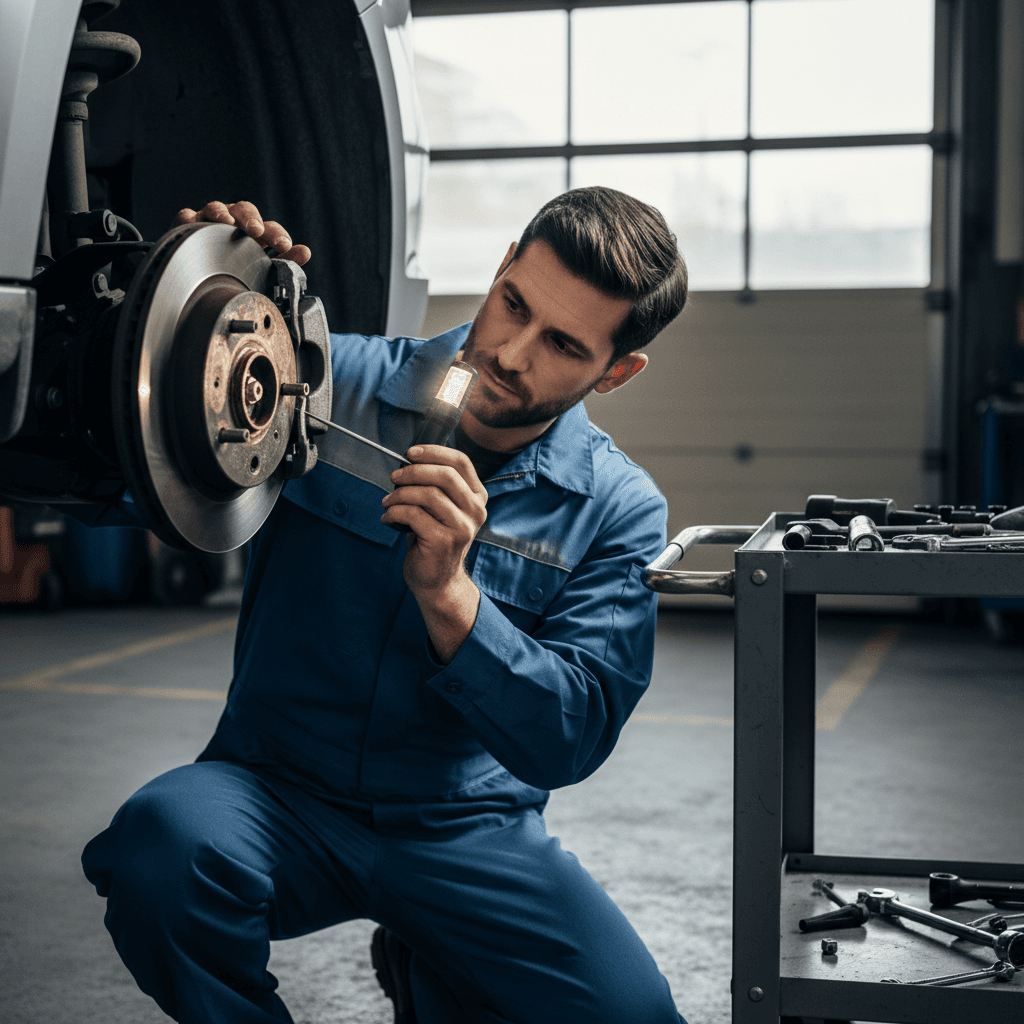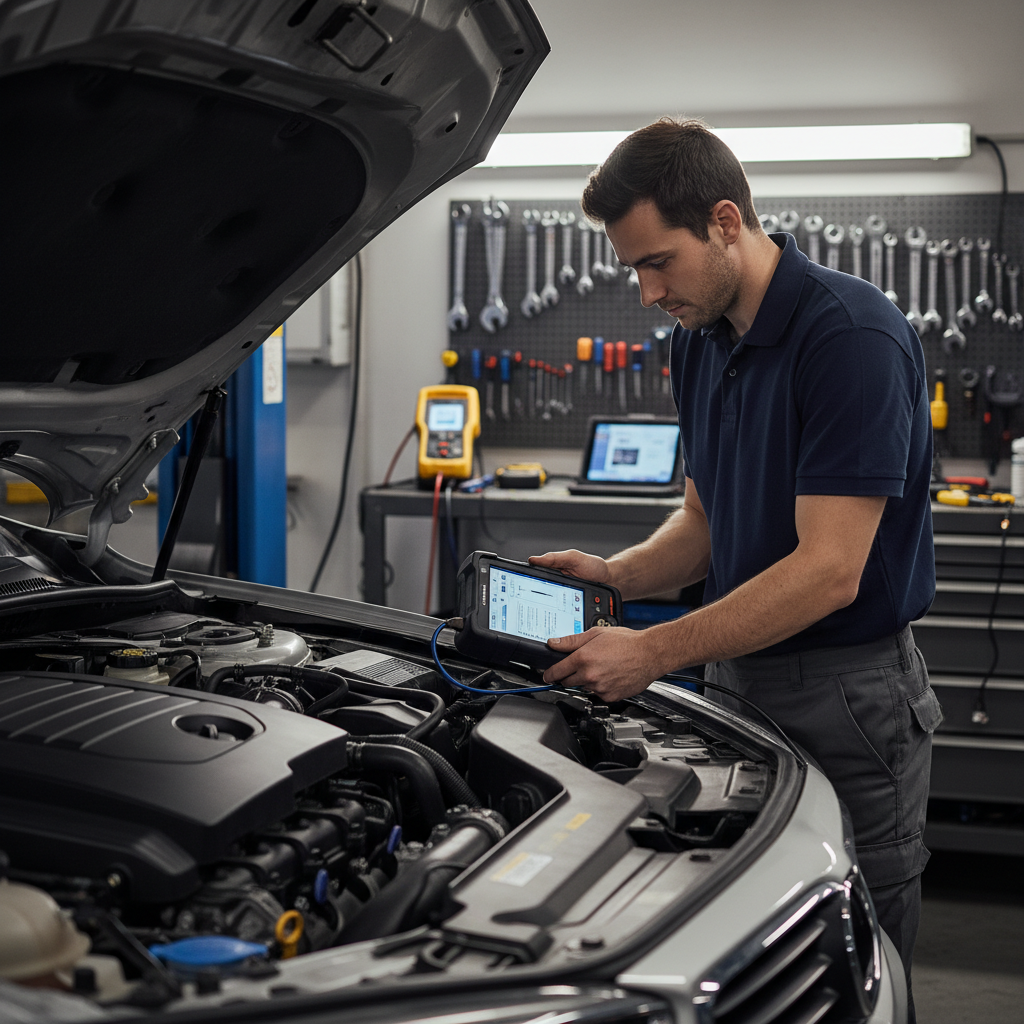
Common car overheating causes include low coolant levels, a malfunctioning thermostat, or a failing water pump that prevents proper circulation. Mechanical issues such as a clogged radiator, a broken cooling fan, or a blown head gasket can also trigger temperature spikes; particularly when the engine is under heavy load while driving up steep hills.
Watching your temperature gauge climb into the red while navigating the steep grades toward Soldier Summit is a high stress experience that no driver wants to face. In the rugged terrain of Carbon County, an overheating engine is not just a nuisance; it is a serious mechanical failure that can leave you stranded or cause permanent damage to your vehicle. Understanding why your cooling system struggles under the pressure of high altitudes and mountain inclines is essential for every local motorist. In this guide, our team examines the primary mechanical culprits behind engine heat, ranging from coolant leaks to failing thermostats. We also provide practical advice on how to handle an emergency on the road and what preventive steps you can take to keep your engine running cool. By mastering these maintenance basics, you can drive our Utah mountain passes with absolute confidence.
Why Your Engine Temperature Rises on Utah Roads
Driving through Carbon County places unique demands on your vehicle that flat terrain simply does not. Between the steep climbs and the fluctuating high desert temperatures, your cooling system is constantly working at its limit. Understanding how this system functions is the first step in preventing a breakdown on the side of Highway 6.
At its core, your engine relies on a closed loop of components to stay operational. The thermostat acts as a gatekeeper; it stays closed until the engine reaches operating temperature, then opens to allow coolant to flow. The water pump circulates this fluid through the engine block, where it absorbs intense heat, and carries it to the radiator. Once there, the radiator uses passing air to lower the fluid’s temperature before sending it back into the engine.
While standard car overheating causes like old hoses or a failing pump apply to any vehicle, our local environment acts as a stress test. A cooling system that works fine on level ground may fail when subjected to a long mountain pull. Maintaining your automotive repair and maintenance schedule is critical here because even a minor inefficiency in your radiator or a slight leak can quickly escalate into a cracked head gasket when you are fighting gravity and heat simultaneously.
Common Car Overheating Causes and Mechanical Culprits
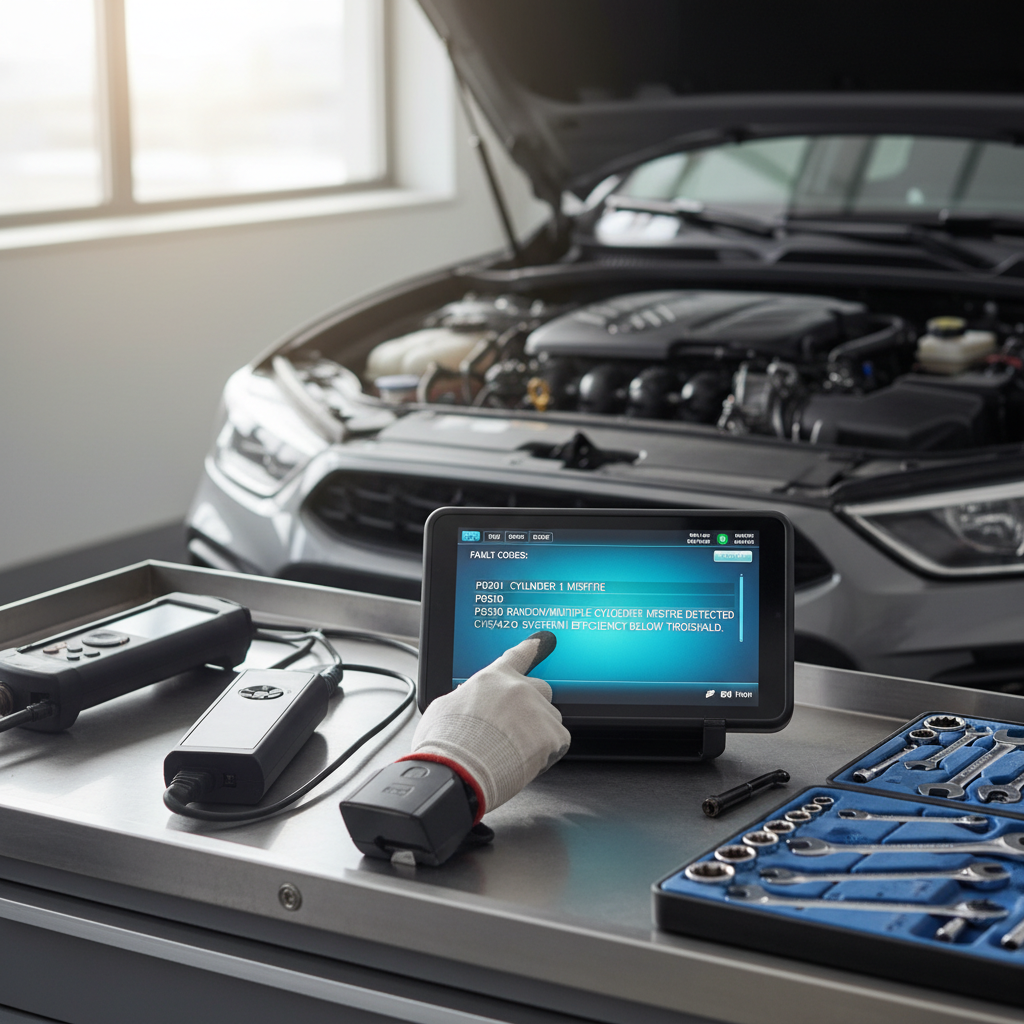
When a vehicle struggles, the most frequent car overheating causes stem from a few primary mechanical failures that we see regularly in the shop. Low coolant is often the first culprit. This is not always about a visible puddle under the car; coolant can evaporate through a faulty pressure cap or be consumed internally by a failing head gasket. If the fluid levels are fine, the issue often shifts to the thermostat. A thermostat that sticks in the closed position acts like a wall, preventing hot coolant from ever reaching the radiator to cool down, which causes the temperature needle to spike in minutes.
The water pump serves as the heart of the cooling loop. If the pump’s internal impeller fails or the drive belt slips, the coolant remains stagnant, absorbing heat until the engine block reaches dangerous temperatures. Even if the pump and thermostat work perfectly, a clogged radiator can halt the cooling process entirely. While internal corrosion from old fluid is a standard issue, Carbon County drivers face an additional challenge. Our dusty environment, combined with seasonal insects and agricultural debris, creates a thick layer of grime on the exterior radiator fins. This debris physically blocks the airflow required for heat exchange. When air cannot pass through these delicate aluminum fins, the radiator cannot do its job, effectively insulating the heat inside your engine rather than letting it escape.
These mechanical issues often go unnoticed during short trips around Price or Helper, but they manifest quickly under heavy loads. Identifying these failures early through regular automotive repair and maintenance prevents minor leaks from turning into catastrophic engine failures. A simple pressure test or a visual inspection of the radiator’s exterior can reveal these problems. If you suspect your cooling system is struggling or you have noticed a sweet smell near your hood, you can contact our team to inspect these specific components before your next trip over the pass.
The Uphill Battle: Why Cars Overheat Going Toward Soldier Summit
Climbing the steep grades of US-6 toward Soldier Summit represents the ultimate stress test for any cooling system. When your vehicle tackles these inclines, the engine must burn significantly more fuel to overcome gravity, which naturally produces an immense amount of internal heat. Unlike cruising on flat stretches through Price, uphill travel often happens at lower speeds. This creates a dangerous paradox: your engine is generating peak heat while your radiator receives less natural airflow to dissipate it.
We often hear from drivers describing a specific pattern: the car starts overheating when driving uphill, but the temperature returns to normal once the road levels out. While it might be tempting to ignore this, seeing your gauge fluctuate is a major warning sign. A cooling system in peak condition is designed with enough headroom to maintain a steady temperature even under load. If your needle moves toward the red during a climb, it indicates that one or more car overheating causes, such as a partially restricted radiator or a weak water pump, have robbed your system of its efficiency. The system is operating at 100% capacity just to keep up, leaving you with zero margin for error if the day gets hotter or the grade gets steeper.
Ignoring these fluctuations often leads to a breakdown at the worst possible spot on the pass. If you notice your temperature gauge drifting during mountain climbs, it is time to contact our team. Addressing a marginal cooling system through proactive automotive repair and maintenance is far more cost effective than waiting for a total failure on the shoulder of the highway.
Altitude and Heat: The Carbon County Factor

In Carbon County, the elevation itself changes the physics of your cooling system. As you climb higher, atmospheric pressure drops, which naturally lowers the boiling point of liquids. While your cooling system is designed to operate under pressure to combat this, any minor weakness in a hose or a worn radiator cap becomes a critical liability at high altitudes. A system that might hold together at sea level can fail here because the physical threshold for boiling is significantly lower.
Altitude also dictates how well the atmosphere absorbs heat. Because we are dealing with thin air, there are fewer molecules available to pull heat away from the radiator fins as you drive. This lack of density means your cooling fans must work significantly harder and run for longer durations to achieve the same temperature drop that would happen easily in thicker, lower-altitude air.
When you combine this reduced air efficiency with our 90-plus degree summer temperatures, your vehicle’s margin for error effectively disappears. These environmental car overheating causes mean that a cooling system operating at even 80% efficiency is likely to fail during a summer afternoon in the high desert. To ensure your vehicle is prepared for these conditions, prioritizing specialized automotive repair and maintenance is essential. If you notice your fans running longer than usual after you park, you should contact our team to verify your system can handle the altitude.
What to Do When Your Car Overheats While Driving
Seeing your temperature gauge spike while driving can cause immediate panic, especially on a narrow mountain road. If the needle creeps toward the red zone, acting quickly can prevent catastrophic engine damage.
First, turn off the air conditioning immediately to remove a heavy mechanical load from the strained engine. Next, turn your cabin heater on to full blast and set the fan to high. While uncomfortable in the summer, this utilizes the heater core as a mini radiator, drawing destructive heat away from the engine block and into the passenger cabin.
Next, locate a safe place to pull over. Mountain shoulders along US-6 can be narrow and sit near steep drop offs, so choose a spot with good visibility for passing traffic. Once you are safely off the roadway, shut off the engine. However, turn the ignition key back to the "on" position without restarting the motor, or press the engine button to accessory mode. This keeps the electrical system active, allowing your radiator fans to continue running and pulling air through the hood to cool the stagnant fluid.
Managing these emergency steps protects your vehicle from immediate ruin, but it does not fix the underlying car overheating causes. Once the vehicle is stabilized, seeking professional automotive repair and maintenance is the only way to ensure the vehicle is roadworthy again. You can contact our team to arrange an inspection of your cooling components before attempting to drive the vehicle back into the mountains.
Crucial Safety Warning: What Not to Do
The most dangerous mistake you can make when your vehicle fails is rushing to inspect the engine. Under no circumstances should you ever open the radiator cap while the engine is hot. Cooling systems are pressurized; when the engine overheats, that pressure reaches extreme levels. Opening the cap releases a geyser of boiling coolant and steam that can cause severe facial and hand burns instantly. It is simply not worth the risk to your physical safety.
A common question we receive is how long you should let a car sit after it spikes. You must wait at least 30 to 60 minutes before you even think about touching the hood latch or checking fluid levels. This duration allows the internal pressure to subside and the metal components to contract safely. Rushing this process often masks the true car overheating causes, as fluid levels may appear higher than they actually are due to boiling and expansion. Once the vehicle is cool enough to touch, you can check for obvious leaks, but do not attempt to drive it if the cause remains unclear. Instead, contact our team to discuss the next steps for professional automotive repair and maintenance to prevent permanent engine warping or failure.
Prevention and Maintenance for Mountain Driving
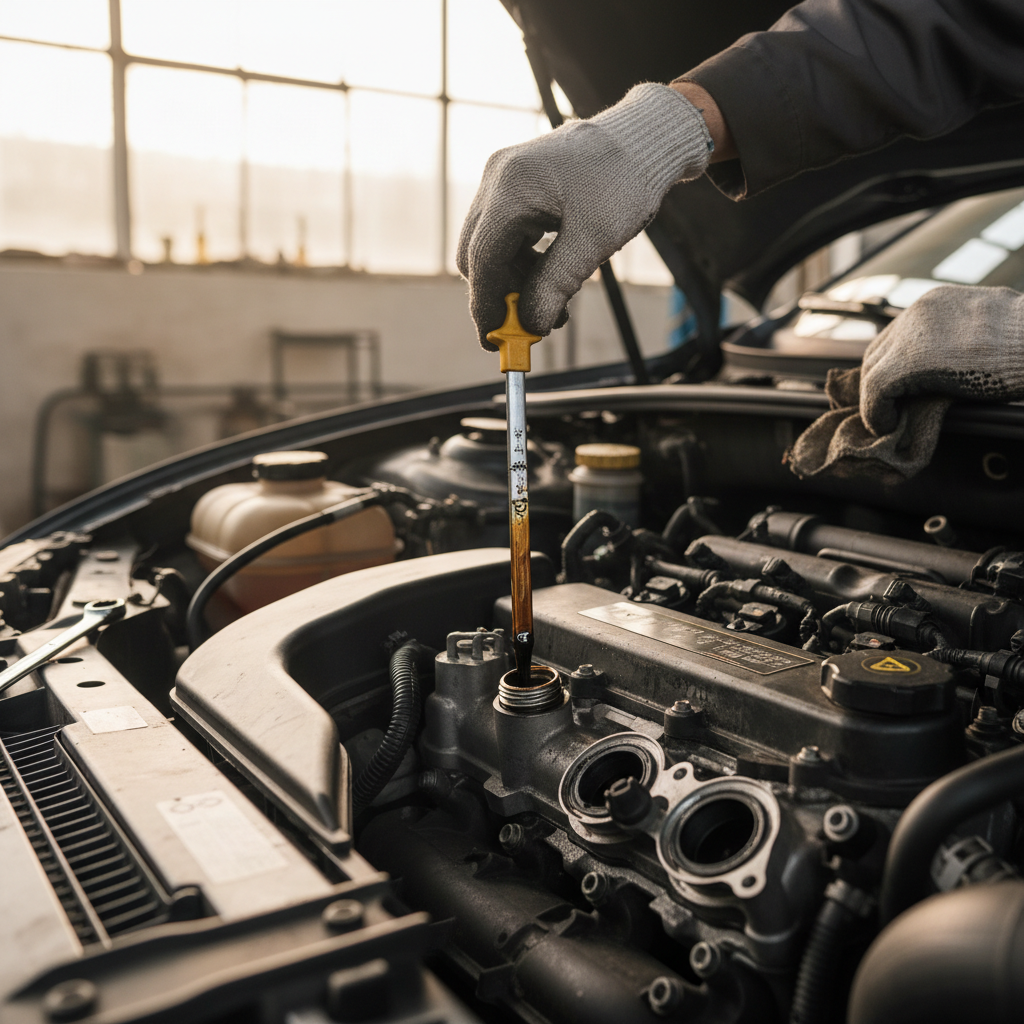
Preventing a breakdown begins long before you start the climb toward Soldier Summit. In the high desert, we recommend a cooling system inspection every spring, specifically testing the coolant's pH balance and freeze point strength. Over time, coolant becomes acidic, which eats away at the internal aluminum of your radiator and creates the very blockages that rank among the top car overheating causes. A simple hydrometer test tells us if the fluid can still handle the high desert heat or if the additives have broken down.
Do not overlook the smaller components that sustain the system. A radiator cap with a degraded rubber seal cannot maintain the pressure required to raise the boiling point of your fluid, leading to premature boil-overs even if your levels are full. Similarly, we inspect the drive belts for cracking or glazing. Because these belts power your water pump, a sudden snap or slip means your engine loses its ability to circulate coolant instantly, causing temperatures to skyrocket in seconds.
At Keith Auto & Sales, we prioritize honest communication about your vehicle’s condition. We would much rather help you schedule a routine flush and fill now than see you hauled in for an expensive head gasket replacement or a warped engine block later. A proactive flush clears out sediment before it hardens into a permanent restriction. Investing in regular automotive repair and maintenance ensures these wearable parts are caught before they fail. If you haven't had your cooling system tested this season, you should contact our team to ensure your vehicle is ready for the unique demands of Utah mountain driving.
Navigating the steep climbs of Carbon County requires a cooling system that is in peak condition. By understanding common causes of overheating, such as low fluid levels or blocked radiators, you can better protect your vehicle during mountain travels. If you want expert help ensuring your car is ready for the road, you can read more about our team and our commitment to local drivers. We are always here to help you stay safe and keep your engine running cool.