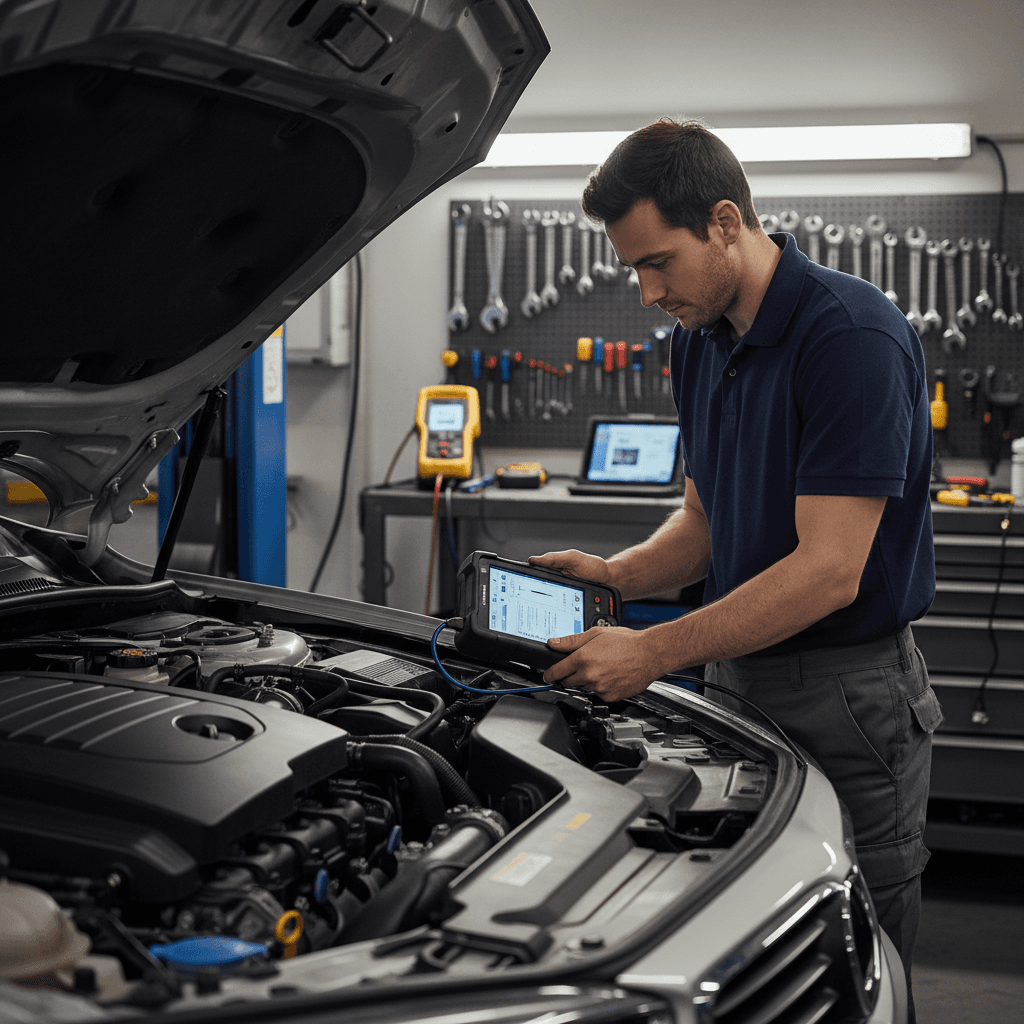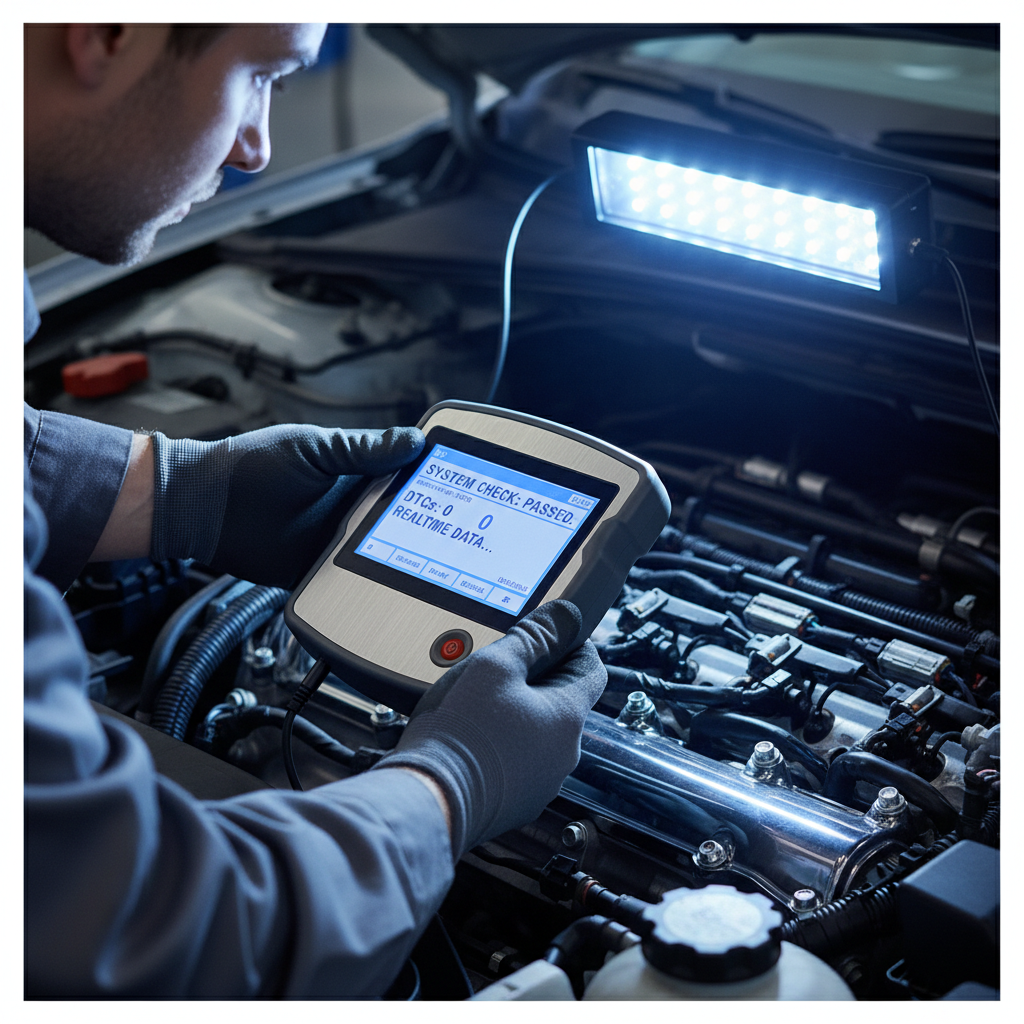
Common check engine light causes often include minor issues like a loose gas cap or more significant mechanical failures such as a faulty oxygen sensor or catalytic converter. Drivers might also encounter this warning due to worn spark plugs or a failing mass airflow sensor; therefore, obtaining a professional diagnostic scan is essential to identify the specific problem.
There is a distinct sense of dread that sets in the moment a yellow engine icon illuminates your dashboard while driving through Carbon County. For many local drivers, this light feels like an expensive mystery that appears at the most inconvenient times. However, that glow is actually your vehicle’s first line of defense against catastrophic failure; it serves as a critical early warning system designed to protect your engine and your wallet. Ignoring it can lead to decreased fuel efficiency or a failed Utah emissions inspection. In this guide, we will clarify the difference between solid and flashing indicators, identify the top causes specific to our region, and explain why a car that seems to run fine may still be at risk. From loose gas caps to complex sensor issues, you will learn exactly when to pull over and when to schedule a professional diagnostic.
Understanding the Malfunction Indicator Light (MIL)
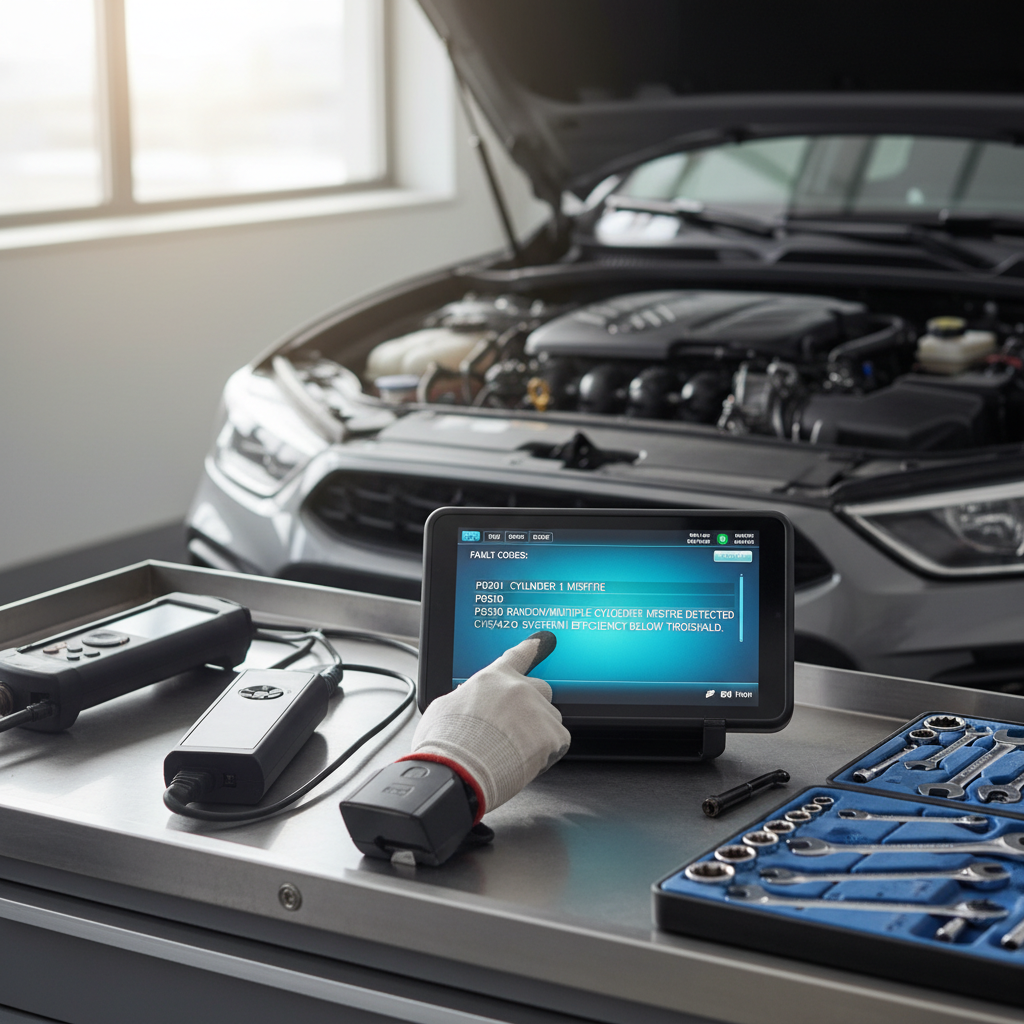
Technically known as the Malfunction Indicator Light (MIL), the check engine light is the primary communication tool for your vehicle's On-Board Diagnostics (OBD-II) system. Since 1996, every vehicle has been equipped with this computer network designed to monitor engine performance and emissions levels. When the system detects a reading outside of factory specifications, it triggers the light to act as an early warning system, often long before you feel a change in how the car drives.
It is important to understand what happens after the light appears. Many big-box retail stores offer free code scans that provide a specific alphanumeric code. However, a code is not a definitive diagnosis; it is merely a starting point. For example, a code indicating an oxygen sensor issue might actually be caused by a vacuum leak or an exhaust manifold crack. At Keith Auto & Sales, we provide reliable automotive repair by looking beyond the computer readout to find the actual root cause.
Our approach focuses on honest communication and dependable workmanship to ensure you are not buying parts you do not need. By performing a professional diagnostic instead of just reading a screen, we identify the exact check engine light causes affecting your vehicle. This technical precision saves our Carbon County customers time and money by getting the repair right the first time.
Solid vs Flashing: How Urgent is Your Check Engine Light?
Once the computer triggers a warning, the first thing you need to determine is the urgency of the situation. Many drivers ask if it is safe to continue driving when the light appears. The answer depends entirely on the behavior of the indicator.
A steady or solid light indicates a non-emergency issue that still requires prompt attention. These alerts typically stem from problems with emissions components or fuel efficiency. While your vehicle may feel normal, the system is no longer operating at peak performance. Postponing a visit for reliable automotive repair can lead to higher costs at the pump and eventual damage to other components. Addressing these check engine light causes early ensures your vehicle remains dependable, whether you are using it for work or you just started a new used car buying experience and want to protect your investment.
A flashing light is a critical warning that requires you to pull over immediately. A blinking indicator signals a severe engine misfire. This condition allows unburned fuel to enter the exhaust system, where it can rapidly overheat and melt the internal honeycomb structure of your catalytic converter. For Carbon County drivers navigating steep grades like Price Canyon, the added strain on the engine makes a misfire even more dangerous. If you see the light start to flash while climbing or descending the canyon, safely exit the roadway and turn off the engine to avoid thousands of dollars in repair costs. At Keith Auto & Sales, we rely on honest communication and dependable workmanship to help you understand if a tow is necessary or if a controlled drive to the shop is safe.
Top 8 Most Common Check Engine Light Causes in Carbon County
Identifying the specific source of the alert is the next step in resolving the issue. In Carbon County, certain mechanical failures appear more frequently due to our unique terrain and climate. While a computer scan provides a code, our team uses those results to perform reliable automotive repair by inspecting the physical components most likely to fail under local driving conditions.
Loose or Damaged Gas Cap: This is the most common and least expensive fix. The fuel system is pressurized; if the cap is cracked or not tightened fully, the sensors detect a leak in the evaporative emissions (EVAP) system. We often see this trigger after a trip to a fueling station in Price or Helper where the cap was not clicked into place. If the light appears immediately after a fill-up, check the cap first.
Faulty Oxygen (O2) Sensor: These sensors monitor the amount of unburned oxygen in the exhaust. Carbon County drivers face a specific challenge here because Price sits at an elevation of approximately 5,600 feet. At high altitudes, the air is thinner, and the engine computer must constantly adjust the air-fuel mixture. A failing O2 sensor provides incorrect data, leading to poor fuel economy and potential engine damage.
Failing Catalytic Converter: Usually, a converter fails because of an unresolved issue like a bad spark plug or O2 sensor. It is responsible for converting carbon monoxide into less harmful emissions. If you notice a sulfur-like smell or a significant drop in performance, the converter may be clogged. At Keith Auto & Sales, we emphasize honest communication and dependable workmanship to help you determine if the converter needs replacement or if an upstream issue is to blame.
Mass Airflow (MAF) Sensor: This sensor measures how much air is entering the engine to determine how much fuel is needed. In our high-desert environment, dust and debris can bypass a dirty air filter and coat the sensor wire. This leads to stalling, jerking, or hesitation during acceleration.
Worn Spark Plugs or Ignition Wires: Spark plugs provide the arc of electricity that ignites the fuel. Over time, the gap in the plug widens, making the engine work harder. Driving on steep grades like Price Canyon puts high stress on these components. Worn plugs lead to misfires and reduced power.
Malfunctioning Ignition Coils: The coils deliver the high-voltage electricity needed by the spark plugs. Heat and vibration from long commutes between Price and Wellington eventually wear them out. A bad coil often results in a rough idle or a flashing light indicating a serious misfire.
Vacuum Leaks: The vacuum system performs various tasks, from assisting brake pressure to managing emissions. Utah's extreme temperature swings, from freezing winters to hot summers, cause rubber vacuum hoses to dry, crack, and leak. This often causes the engine to idle at an unusually high RPM.
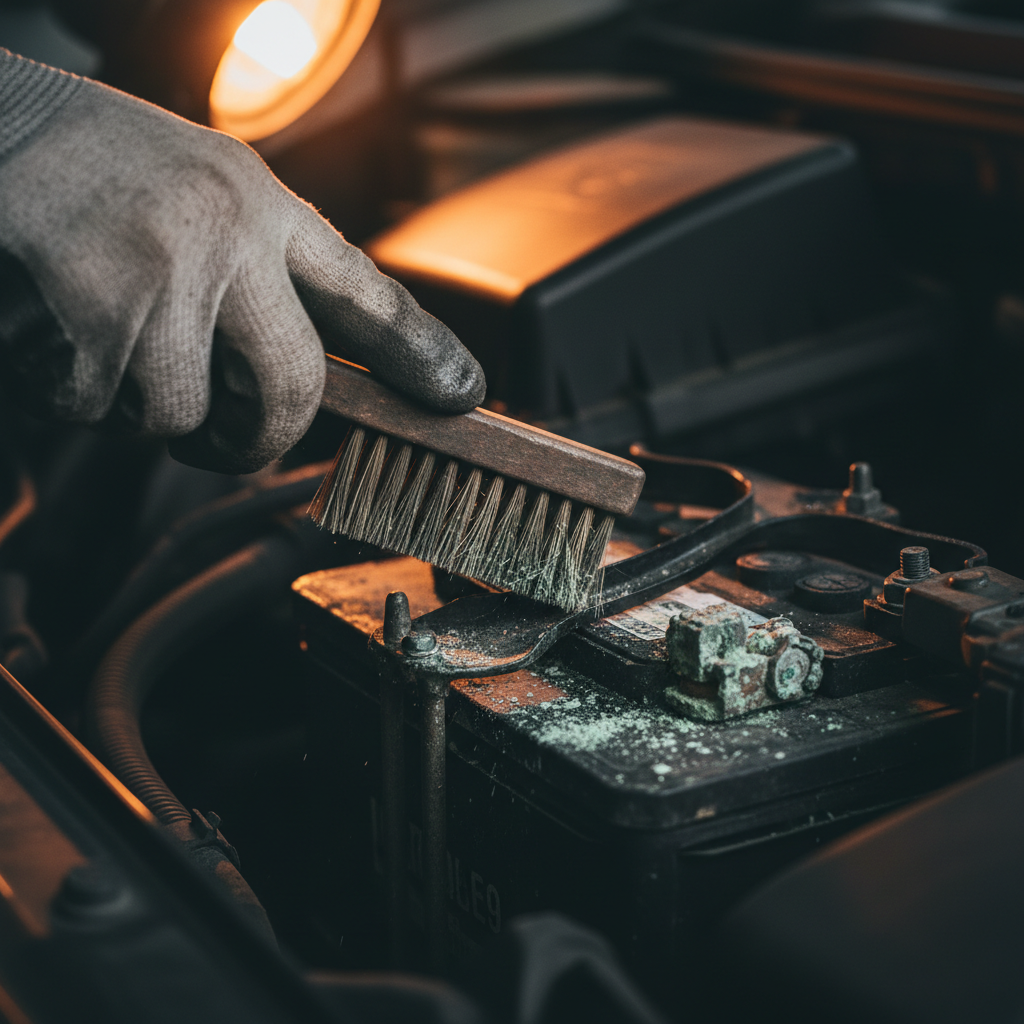
Battery or Charging System Problems: Modern vehicles are highly sensitive to voltage. If your battery is dying or the alternator is not providing a steady charge, the computer may trigger a light due to low voltage. We recommend checking these systems before a used car buying experience to ensure the vehicle’s electrical foundation is solid.
Component | Primary Symptom | Why it Fails in Carbon County |
|---|---|---|
Gas Cap | Light appears after fueling | Human error or seal dry-rot |
O2 Sensor | Drastic drop in MPG | Altitude-related air-fuel adjustment stress |
Spark Plugs | Hesitation on hills | High load from canyon driving |
MAF Sensor | Stalling or rough idle | Dust and particulate accumulation |
Why Your Light Might Come On After Getting Gas or an Oil Change

It is a frustrating experience to pull away from a fuel pump in Price only to see the dashboard suddenly illuminate. If you are wondering why does check engine light come on after getting gas, the answer usually lies within the vehicle's Evaporative Emission (EVAP) system. This system is designed to trap gasoline vapors before they escape into the atmosphere. When you refuel, the pressure in the tank changes significantly. If the gas cap is not tightened until it clicks, or if the rubber seal is dry-rotted, the computer detects a leak in the vacuum and triggers an alert.
A light appearing shortly after an oil change can be equally concerning. During this service, components like the air filter housing or various electrical connectors might be moved to reach the oil filter. If a sensor is accidentally bumped or if the oil fill cap is not secured, the system will recognize the resulting change in internal pressure or airflow.
In some cases, the timing is a coincidence. A component may have been on the verge of failure, and the heat cycle of a short trip simply pushed it over the limit. We recommend checking your caps first. At Keith Auto & Sales, we use honest communication and dependable workmanship to help you distinguish between a simple oversight and a need for reliable automotive repair. Identifying these specific check engine light causes quickly prevents unnecessary stress and ensures your vehicle is ready for the road.
Check Engine Lights and Utah Emissions Inspections
There is often confusion among local drivers regarding emissions requirements. In counties along the Wasatch Front, such as Salt Lake or Davis, a check engine light is an automatic failure during a biennial inspection. Here in Carbon County, we are currently exempt from those specific testing mandates for registration. However, this does not mean the light is unimportant or should be ignored. Many check engine light causes, such as a faulty oxygen sensor or a leaking EGR valve, directly impact how much you spend at the gas station.
For those commuting daily between Price and Wellington, even a slight drop in fuel efficiency adds up to significant annual costs. When the light is on, the engine computer often operates in a backup mode that uses more fuel to protect the engine from damage. This lack of precision results in poor gas mileage and increased carbon buildup. At Keith Auto & Sales, we prioritize honest communication and dependable workmanship to help you understand these hidden costs. Investing in reliable automotive repair ensures your vehicle runs efficiently, even if the state is not currently requiring a certificate. Keeping your engine in top shape is the most practical way to manage your transportation budget while driving across rural Utah.
The Real Danger of Ignoring a Light That Runs Fine
A common point of confusion occurs when a check engine light on but car runs fine. You might not feel a stumble or hear a knock, but the lack of symptoms is intentional by design. When the onboard computer detects a sensor failure, it switches to a default set of operating parameters, often called a limp mode or open loop state. The vehicle ignores the faulty sensor and uses preprogrammed estimates to keep the engine running, which prevents you from being stranded in rural areas like the Hiawatha region.
However, this backup mode is not efficient. Because the computer can no longer fine-tune the air-fuel mixture, the engine typically runs rich, consuming far more fuel than necessary. Beyond the daily cost at the pump, this excess fuel travels into the exhaust system where it burns inside the catalytic converter. Ignoring a minor issue can quickly turn a simple sensor replacement into a repair costing thousands of dollars for a new converter. At Keith Auto & Sales, we use honest communication and dependable workmanship to help you address these check engine light causes before they escalate into major financial burdens. Relying on reliable automotive repair ensures your car stays efficient and avoids preventable component meltdowns.