Determine when to replace tires by checking for a tread depth of 2/32 of an inch or if the tires are between six and ten years old. You can perform the penny test by inserting a coin into the tread; if Lincoln's entire head is visible, the tires are unsafe and require immediate replacement. Most experts recommend a new set every 50,000 miles to ensure optimal safety and performance.
Navigating the winding roads of Carbon County requires more than just a steady hand; it demands a vehicle you can trust. If you have ever felt your car slide slightly on a wet patch or felt a strange vibration through the steering wheel, you know the sinking feeling of uncertainty. At Keith Auto and Sales, we understand that your tires are the only point of contact between your vehicle and the pavement. Neglecting their condition can lead to reduced traction, longer braking distances, or even a sudden blowout. This guide will provide expert insight into identifying dangerous tread levels through the 2/32 rule. We will also examine the critical impact of tire age, the necessity of seasonal swaps for Utah winters, and simple maintenance habits that extend the life of your rubber. By the end, you will know when to invest in a new set to ensure your safety.
The Realities of Driving in Carbon County: Why Tire Health Matters
Driving in Carbon County requires more from a vehicle than a standard commute in a flat, sea-level city. If you frequently travel Highway 6 or navigate the steep 6 percent grades over Soldier Summit, your tires are your primary safety feature. Indian Canyon presents its own set of challenges with sharp turns and rapid elevation changes that put significant lateral stress on tire sidewalls.
In our high desert climate, rubber is subjected to intense UV rays and extreme heat in the summer, followed by sub-zero temperatures in the winter. While a tire with minimal tread might be technically legal in a temperate state, it can fail you quickly during a sudden Utah snow squall. Understanding exactly when to replace tires is critical for anyone traversing these mountain passes. At Keith Auto & Sales, we provide reliable automotive repair and maintenance to ensure your vehicle is prepared for these local realities.
A tire that appears functional during a dry afternoon in Price might lose all traction the moment you hit the slush and ice near the summit. We focus on practical solutions that keep your vehicle running smoothly, prioritizing safety during the unpredictable weather shifts common in Eastern Utah.
The 2/32 Rule: How to Tell if Your Tread is Dangerous
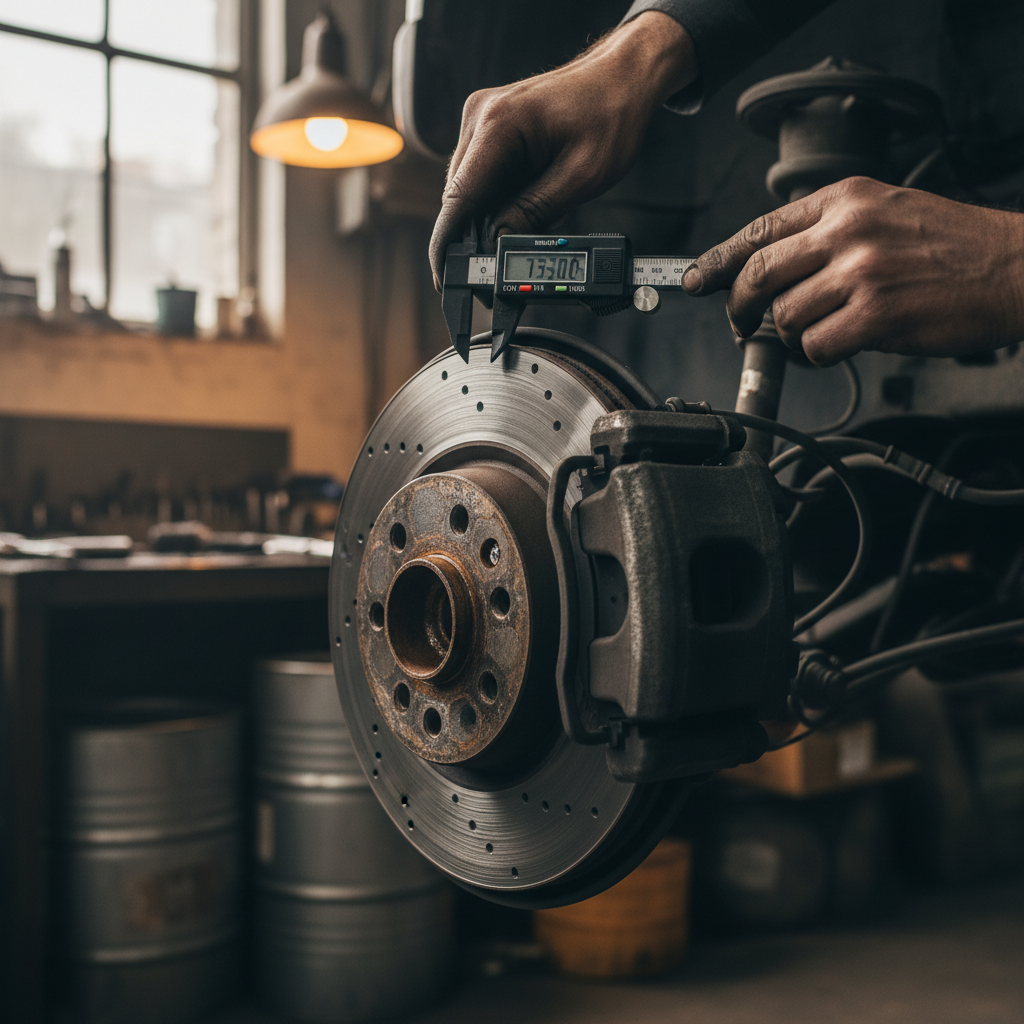
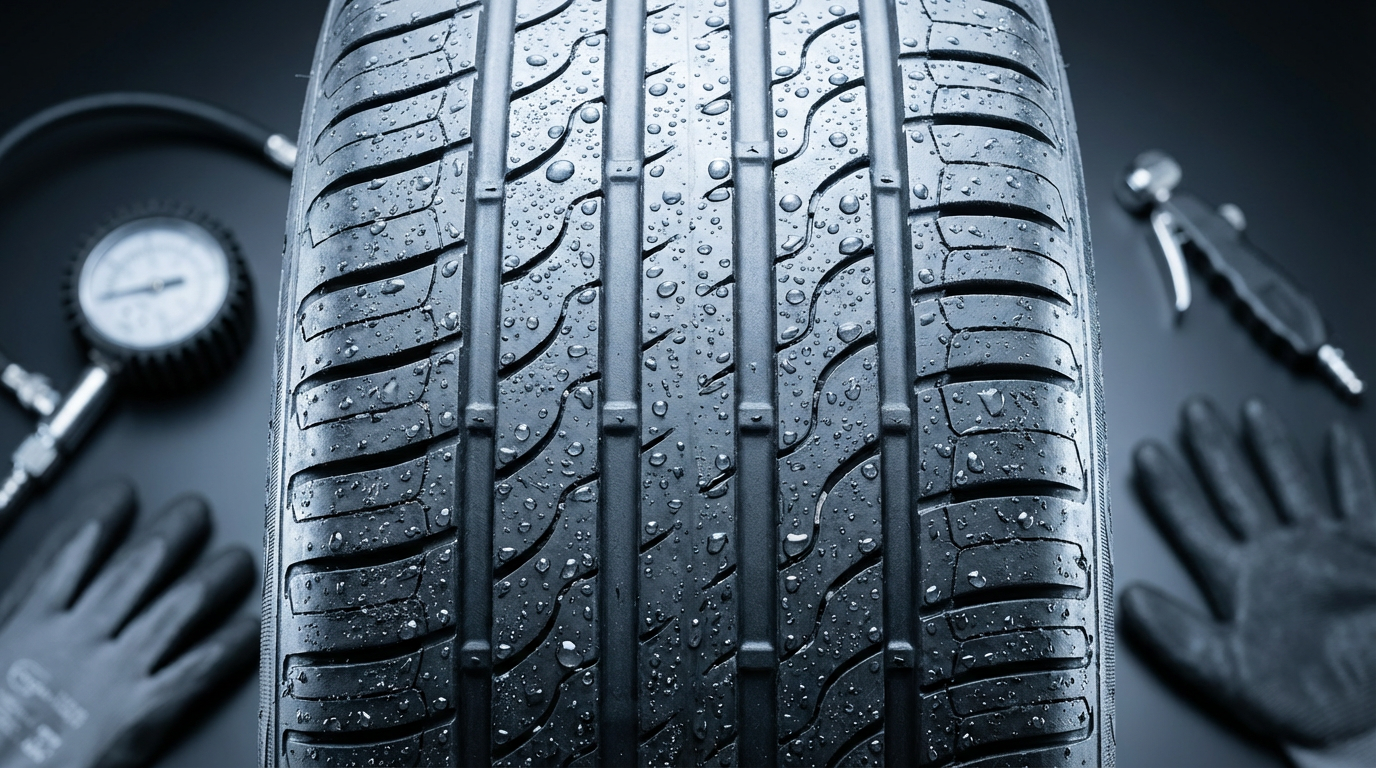
The industry standard for a worn out tire is 2/32 of an inch of tread depth. At this point, the tire is legally bald in most jurisdictions and lacks the grooves necessary to channel water away from the contact patch. To check this at home, Carbon County drivers can use the Penny Test. Place a penny into several tread grooves across the tire with Abraham Lincoln’s head facing down. If you can see the top of Lincoln’s head, your tread is at or below 2/32 of an inch, and the tire is no longer safe for the road.
Many customers ask us, "Should I replace tires at 5/32?" The answer depends heavily on the season. While 2/32 is the legal minimum, it is rarely sufficient for the conditions we face in Price and the surrounding canyons. For those driving into a Utah winter, we often recommend replacement when tread reaches 4/32 or 5/32 of an inch. Higher tread depth is required to compress and grip snow or to cut through heavy slush without hydroplaning.
Deciding when to replace tires involves balancing the remaining life of the rubber against the immediate safety needs of your commute. A tire at 3/32 might pass a basic inspection in July, but it will struggle to provide traction on a frozen mountain pass in December. Our team at Keith Auto & Sales prioritizes reliable automotive repair and maintenance by evaluating your tires based on the specific terrain you drive every day, ensuring you are not caught off guard by a thinning tread during a storm.
Mileage vs. Age: The 7 Year Rule and Dry Rot
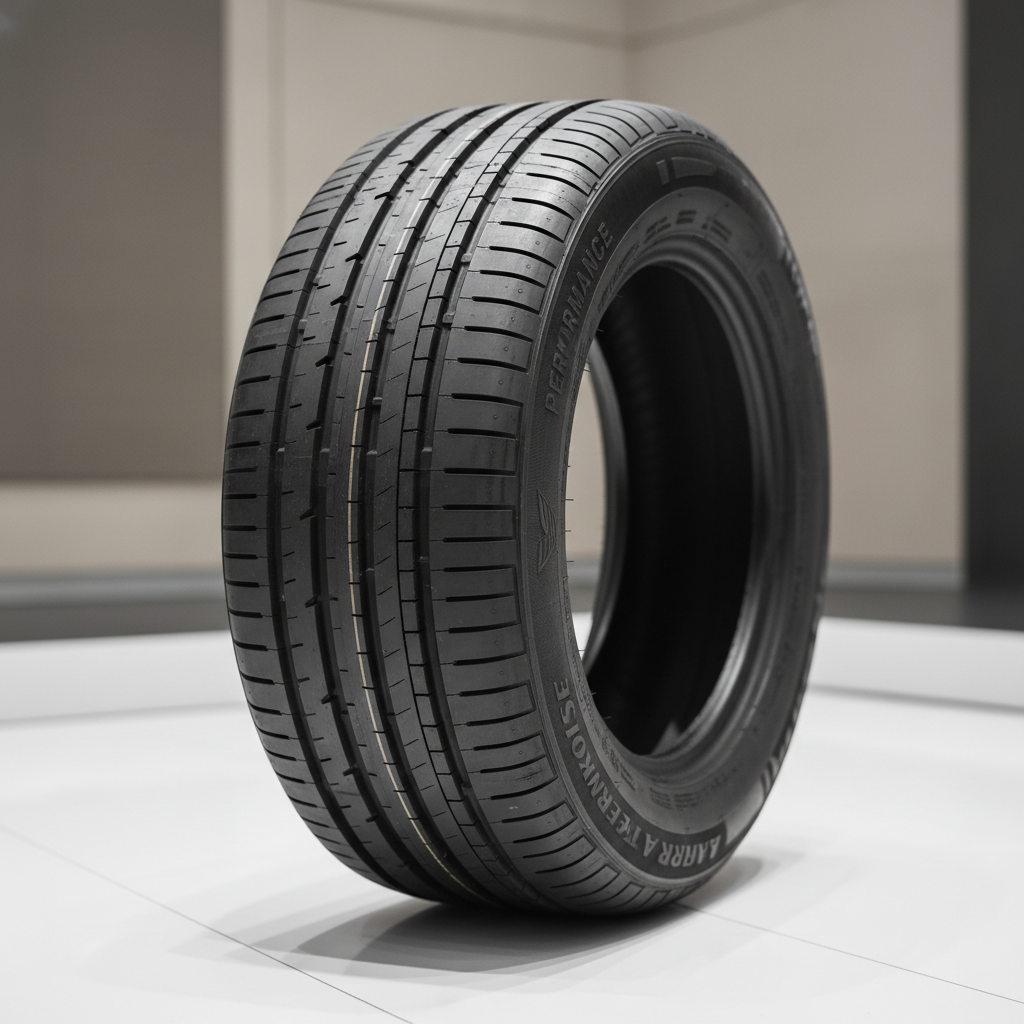
A common misconception among local drivers is that plenty of tread automatically equals a safe tire. If you have a vehicle that mostly sits in the driveway or a spare tire that has never touched the pavement, you might assume it is still in prime condition. However, rubber is a biological product that degrades over time through a process called oxidation. In the high desert environment of Carbon County, the intense UV rays and lack of humidity accelerate this breakdown, leading to dry rot.
Dry rot appears as small cracks in the sidewall or within the tread grooves. These cracks are a clear sign that the rubber has become brittle and lost its structural integrity, which significantly increases the risk of a catastrophic blowout at highway speeds. People often ask, "Are 7 year old tires safe?" While a tire might look fine at a glance, most manufacturers and safety experts recommend replacement once a tire reaches six to ten years of age. In the harsh Utah climate, seven years is often the limit for safe operation because the rubber can no longer flex properly under load.
To determine exactly how old your tires are, look for the DOT (Department of Transportation) code on the sidewall. This is a string of characters starting with "DOT," and the final four digits indicate the manufacture date. The first two digits represent the week, and the last two represent the year. For example, a code ending in "1519" means the tire was produced in the 15th week of 2019. Understanding this date code is a vital part of knowing when to replace tires. At Keith Auto & Sales, we emphasize a straightforward used-car buying experience by ensuring the age of every tire is checked during our mechanical inspections, even if the tread looks nearly new.
Seasonal Performance: Do You Need Snow Tires in Utah?
For drivers in Carbon County, deciding whether to invest in snow tires is a practical safety consideration rather than a luxury. The most important factor is the 7/7 rule, which refers to the temperature threshold of 45 degrees Fahrenheit (7 degrees Celsius). Once temperatures consistently stay below this mark, the rubber compounds in standard all-season tires begin to harden. This loss of flexibility means the tire can no longer grip the road surface effectively, even if the pavement appears dry.
Understanding the differences between tire types helps determine the best fit for your driving habits:
Tire Type | Best Use Case | Performance in Cold (<45°F) |
|---|---|---|
All-Season | Mild climates, summer driving | Rubber hardens; reduced traction |
All-Weather | Year-round Utah driving | Stays flexible; carries 3PMSF rating |
Winter / Snow | Heavy snow and ice; canyon commuting | Maximum grip; softest rubber compound |
All-season tires are a compromise designed for longevity in warmer weather. All-weather tires are a newer category that stays pliable in colder temps and features the Three-Peak Mountain Snowflake symbol. However, for those commuting between Price and Spanish Fork, dedicated winter tires are often the safest choice. The steep grades and unpredictable ice patches in Spanish Fork Canyon demand the specialized silica compounds found only in winter rubber. Knowing when to replace tires with a seasonal set can be the difference between maintaining control and sliding during a sudden squall. At Keith Auto & Sales, we prioritize reliable automotive repair and maintenance by helping you choose the right rubber for the specific mountain passes you navigate daily.
Maximizing Tire Life: Rotation and Pressure Maintenance
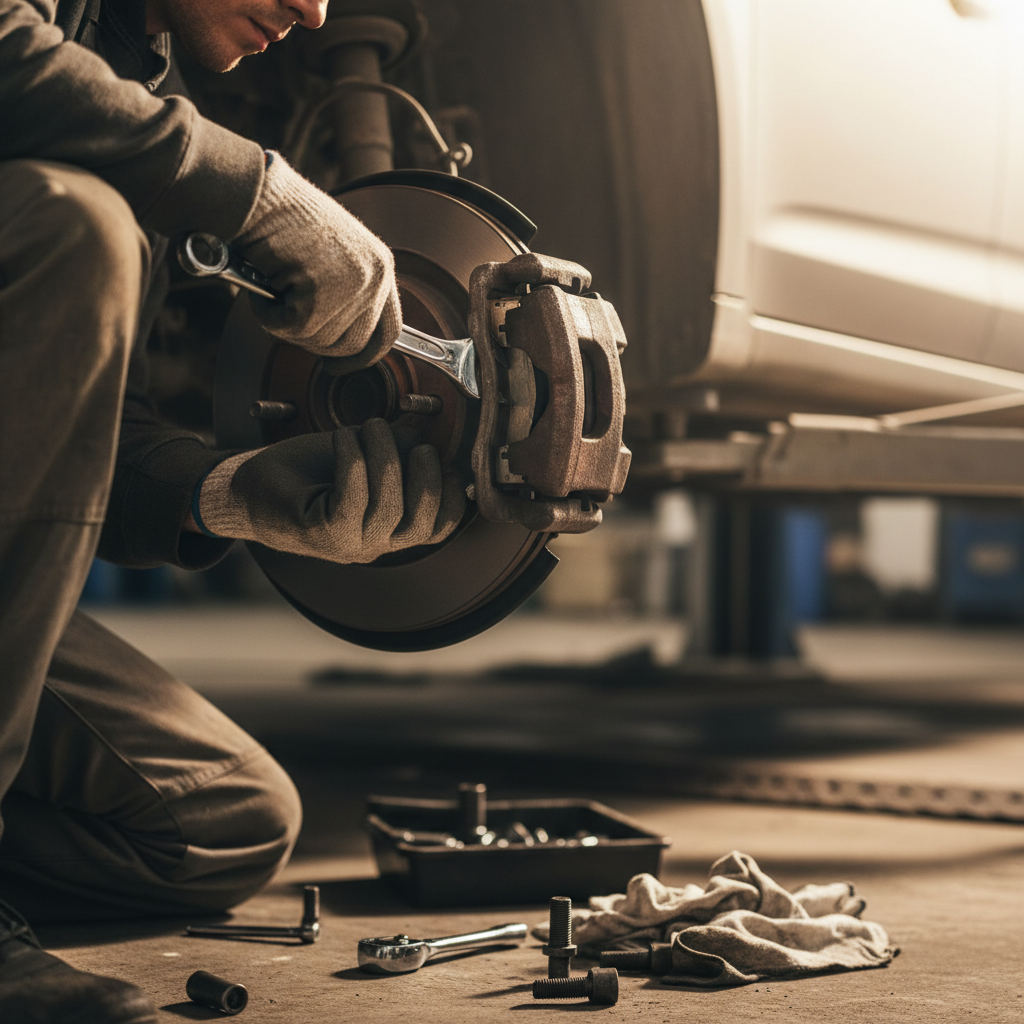
Choosing the right seasonal rubber is a significant investment, but proactive maintenance is what actually delays the moment you need to consider when to replace tires. Regular rotation is the most effective way to ensure even tread wear. Front tires handle the majority of steering and braking forces, causing them to wear faster and differently than the rear tires. We recommend a rotation every 5,000 to 7,500 miles, which usually aligns with every other oil change. Skipping this step leads to uneven patterns that can ruin a set of tires long before the rubber itself has aged out.
In the high altitude of Carbon County, monitoring tire pressure is equally critical, especially as seasons change. Air is a gas that contracts when cold. For every 10-degree drop in outside temperature, your tires will typically lose 1 to 2 PSI (pounds per square inch). A morning commute starting in a frozen driveway in Price can easily trigger a Tire Pressure Monitoring System (TPMS) light as the air inside the tire compresses.
Drivers often ask, "Can I still drive if my tire pressure light is on?" While the vehicle will physically move, driving on under-inflated tires is risky, particularly in mountain terrain. Low pressure increases the tire's footprint, creating excess friction and heat that can lead to a blowout. It also softens the sidewall, which compromises your steering precision when navigating the tight curves of Indian Canyon. We provide reliable automotive repair and maintenance to help you manage these small but vital adjustments, ensuring your tires stay within the manufacturer's recommended range throughout the year.
Warning Signs Beyond the Tread: Vibration and Uneven Wear
Tread depth tells only half the story. You must also watch for unusual wear patterns that compromise your vehicle's stability. Cupping, or scalloping, appears as dipped or wavy patches across the rubber. This is rarely a tire defect; instead, it usually points to worn-out struts or shocks that allow the tire to bounce excessively on Carbon County’s uneven backroads. Similarly, if the inner or outer edge of your tread is wearing down significantly faster than the rest, your alignment is likely out of spec. Addressing these mechanical issues early through reliable automotive repair and maintenance prevents you from ruining a new set of rubber prematurely.
Physical sensations through the steering wheel or seat are also indicators of when to replace tires or seek a professional balance. A vibration that intensifies at 60 or 70 mph on Highway 6 often suggests a lost wheel weight or a tire that has gone out of round. More seriously, a persistent shake can signal internal belt separation, where the tire’s structure is literally pulling apart from the inside. If you notice a bulge in the sidewall or a sudden change in ride quality while cruising on I-15, do not ignore it. These symptoms represent immediate safety risks that go far beyond simple tread depth measurements.
Investing in Safety: The Cost of New Tires vs. The Risk of Old Ones

Budgeting for new tires is a significant commitment. While a quality set for a light truck or SUV can range from $600 to $1,200, this cost is minimal compared to the risks of a blowout on a steep grade. We provide a straightforward used-car buying experience by making tire age and tread depth a non-negotiable part of our mechanical inspections.
Our priority is providing reliable automotive repair and maintenance based on transparency. We offer professional guidance on when to replace tires without pressuring you into an early purchase. If your tires have another 5,000 miles of safe travel left, we will be the first to let you know.