The 30-60-90 car maintenance rule is a preventative service schedule that outlines major inspections and parts replacements every 30,000 miles. These intervals focus on critical tasks such as changing fluids, replacing filters, and checking timing belts to ensure long-term engine health and vehicle reliability. Following this rule helps drivers maintain peak performance and avoid expensive repairs as their odometer climbs.
Owning a vehicle in Carbon County often feels like a balancing act between keeping your car on the road and avoiding a catastrophic repair bill. It is easy to ignore a small rattle or a service light until it becomes a costly emergency. However, staying ahead of your vehicle’s needs does not have to be a guessing game. By following the 30, 60, 90 car maintenance rule, you can transform your vehicle from a source of stress into a reliable asset. In this guide, Keith Auto and Sales breaks down these critical service intervals to show you exactly what happens at every milestone. You will learn how the 30,000 mile foundation, the mid life checkup, and the 90,000 mile investment protection plan keep you safe. We also explore why Utah’s rugged climate demands a severe service mindset and how these rules help you make smarter decisions when buying used cars.
What is the 30, 60, 90 Car Maintenance Rule?
The 30-60-90 car maintenance rule is a manufacturer recommended schedule designed to ensure your vehicle reaches its maximum lifespan. Most car makers suggest a comprehensive round of preventative maintenance every 30,000 miles. While modern engineering has made vehicles more resilient than those of previous decades, these milestones remain the primary defense against mechanical failure. By inspecting critical systems at these set intervals, we can identify minor wear in parts like seals, gaskets, or filters before they escalate into expensive repairs.
Carbon County drivers face specific challenges that make this schedule even more vital. Our local environment involves heavy dust, extreme temperature swings between seasons, and the constant mechanical load of mountain driving. Most owner's manuals classify these conditions as severe service. This means following the 30-60-90 car maintenance rule is a necessity for maintaining a dependable vehicle. Sticking to these intervals protects your investment and ensures your car handles the local terrain without unexpected downtime. This proactive approach is foundational to reliable automotive repair and maintenance and applies perfectly to the quality pre-owned vehicles we provide to our community. If you have questions about your specific model, you can always contact Keith Auto & Sales for expert advice.
The 30,000 Mile Service: Foundation for Longevity
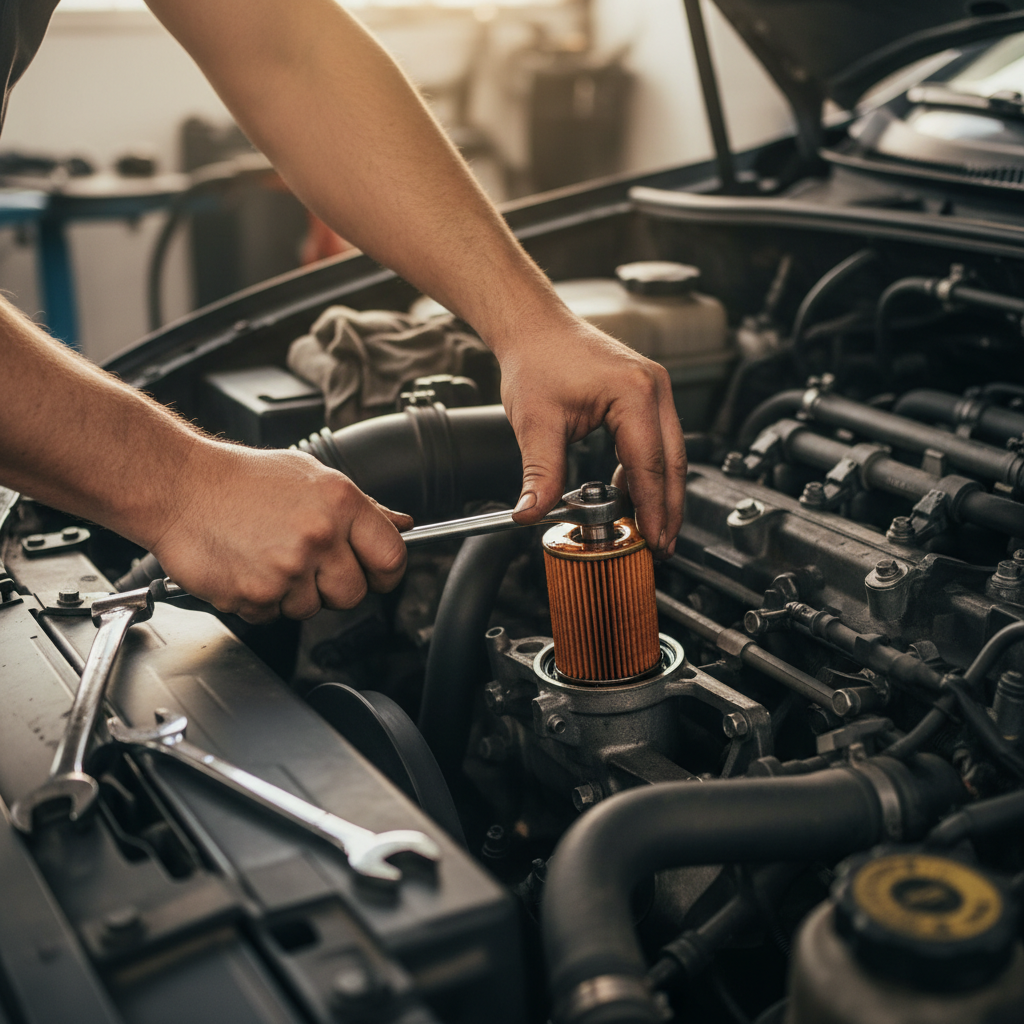
Reaching the 30,000-mile mark is a significant milestone for any vehicle. It represents the point where initial factory lubricants and filters have completed their primary lifecycle and require professional assessment. While many drivers still cling to the 3,000-mile oil change myth, modern synthetic oils have pushed those intervals much further, often between 7,500 and 10,000 miles. The focus of this service interval is not just a simple oil change; it is about protecting the engine and ensuring safety.
In Carbon County, the engine and cabin air filters are top priorities. The engine air filter is the first line of defense against the fine silt and dust common in our region. A clogged filter restricts airflow, forcing the engine to work harder. This restriction directly reduces fuel economy and can lead to internal engine deposits over time. Similarly, a fresh cabin air filter is essential for keeping that same dust out of your lungs while driving.
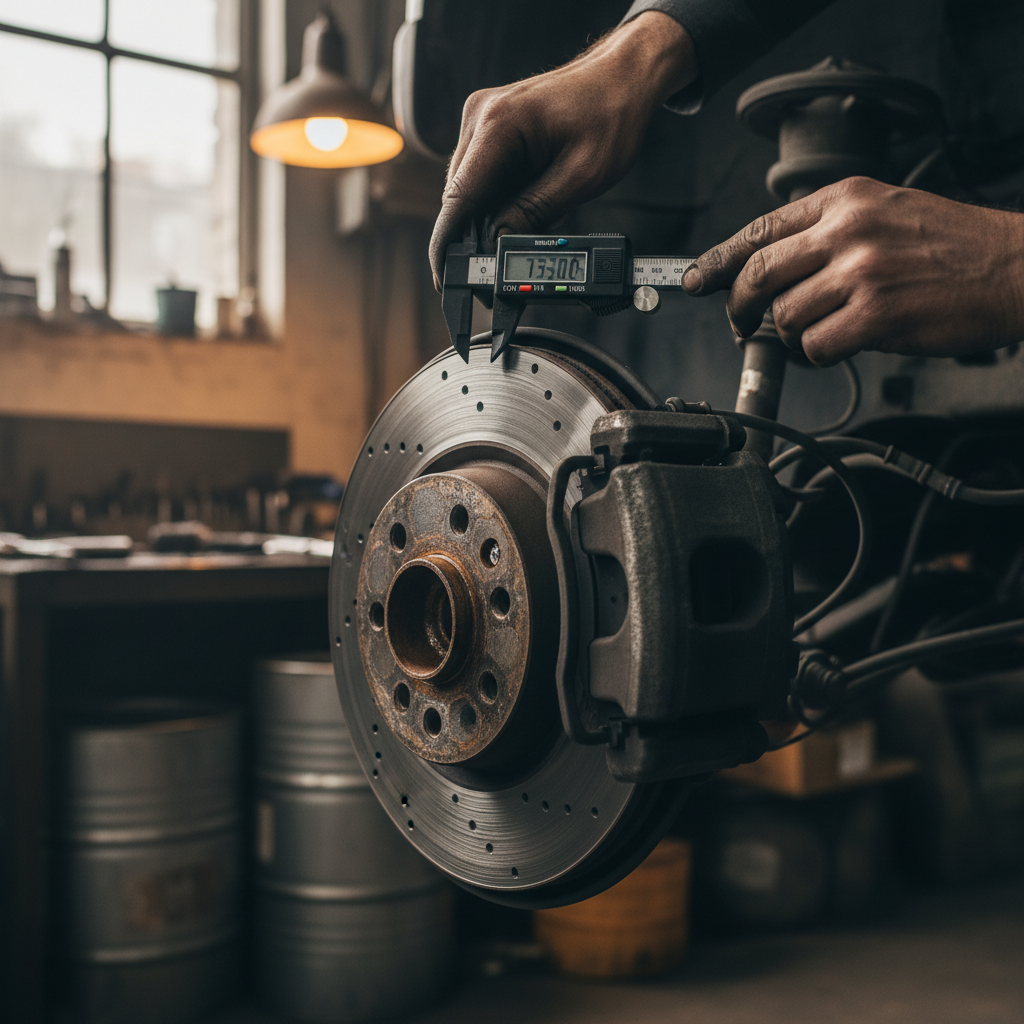
This service also includes a critical tire rotation and a comprehensive brake inspection. We examine the pads, rotors, and calipers to ensure everything is wearing evenly. Identifying a sticking caliper or an alignment issue now prevents more expensive repairs at the 60,000-mile mark. By focusing on these high-impact items early, you establish a solid baseline for reliable automotive repair and maintenance throughout the life of your vehicle. This proactive care is the best way to keep your car in top shape while following the 30-60-90 car maintenance rule.
The 60,000 Mile Service: The Mid Life Checkup
Once a vehicle passes the 60,000-mile mark, the maintenance requirements shift from simple filter replacements to more technical fluid and component management. This milestone is a critical juncture in the 30-60-90 car maintenance rule. At this stage, we transition into chemical services that protect the internal integrity of your braking and cooling systems.
Brake fluid is naturally hygroscopic, meaning it absorbs moisture over time. By 60,000 miles, the water content in the fluid can lower the boiling point and cause internal corrosion within the calipers and master cylinder. We perform a full brake fluid flush to ensure firm pedal pressure and system longevity. Similarly, engine coolant undergoes significant chemical breakdown after years of operation. Its ability to inhibit rust and manage heat diminishes, making a replacement vital. This prevents the radiator and heater core from clogging, which is essential for Carbon County drivers who rely on their heaters during freezing winters.
The physical condition of rubber components also becomes a priority at this interval. Utah’s extreme temperature swings, combined with the heavy road salt used in winter, accelerate the degradation of serpentine belts and radiator hoses. We look for glazing, cracking, or softening that could lead to a sudden breakdown on a mountain pass. This is also the standard time to test your battery. In our climate, most batteries only last three to five years; if yours is the original factory unit, it is likely nearing the end of its reliable life.
Focusing on these technical details ensures that reliable automotive repair and maintenance keeps your vehicle performing predictably. If you are browsing our quality pre-owned vehicles and notice one is near this mileage, you can rest assured that we prioritize these inspections to establish a healthy baseline. For a detailed health check of your current vehicle, you can contact Keith Auto & Sales to schedule a comprehensive mid-life assessment.
The 90,000 Mile Service: Protecting Your Investment
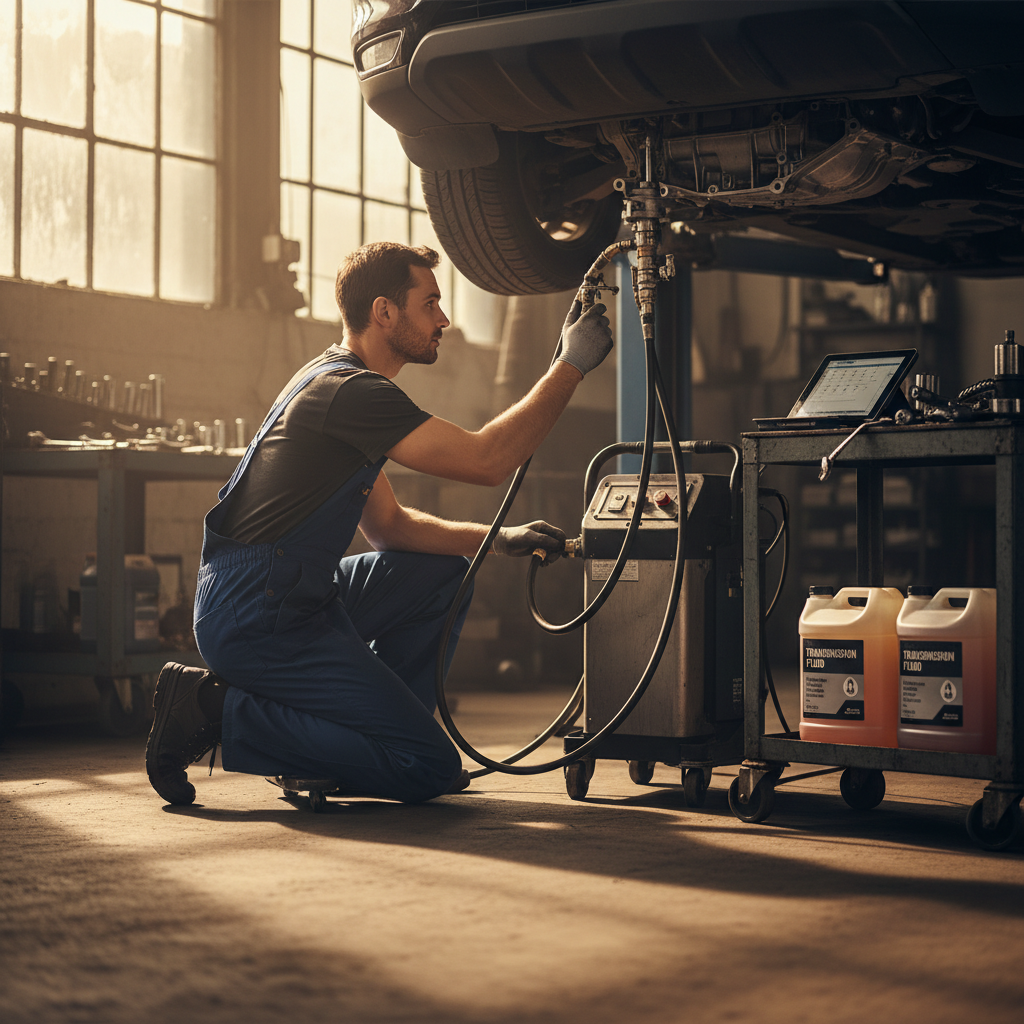
The 90,000-mile mark represents the most critical juncture in the life of your vehicle. At this stage, the components being serviced are no longer just filters or fluids that affect performance; they are high-stakes parts that, if left to fail, can lead to total engine or transmission loss. This milestone is the true test of the 30-60-90 car maintenance rule. Skipping it is the most common reason vehicles fail to reach the 150,000-mile mark, turning a potential decade-long asset into a premature liability.
For many engines, the timing belt is the highest priority at this interval. Unlike a serpentine belt, which you can see, the timing belt is hidden inside the engine. If it breaks, the internal parts of the engine can collide, resulting in catastrophic damage. Replacing it now is a strategic investment in the future of your vehicle. Simultaneously, we replace spark plugs. In the thinner air and varied elevations of Carbon County, a strong spark is necessary for efficient combustion and reliable cold starts during our frigid winters.
One of the most discussed services at 90,000 miles is transmission care. At Keith Auto & Sales, we prioritize transparency and the long-term health of your vehicle, which is why we typically recommend a transmission fluid change rather than a high-pressure flush. A fluid change involves draining the old fluid, replacing the filter, and refilling the system. This is a safer, more controlled method for high-mileage vehicles. High-pressure flushes can sometimes dislodge settled debris and force it into the sensitive valve body, potentially causing shifting issues.
Our approach to reliable automotive repair and maintenance focuses on these practical, effective solutions. Whether we are preparing one of our quality pre-owned vehicles for the lot or servicing your daily driver, we ensure these major milestones are handled with precision. To protect your vehicle's longevity, you can contact Keith Auto & Sales to review your 90,000-mile requirements and keep your car on the road for the long haul.
Why Carbon County Drivers Need a Severe Schedule Mindset
Most vehicle owner’s manuals include a section defining "severe driving conditions" that many owners overlook. In Carbon County, the reality is that nearly every mile driven fits this description. Manufacturers classify severe use as frequent idling, driving in dusty environments, towing heavy loads, and operating in extreme temperatures. In our region, these aren't occasional occurrences; they are daily realities.
Local factors put unique stress on your vehicle’s components. Towing trailers up steep mountain grades increases transmission heat and engine strain significantly. Our unpaved roads introduce fine silt into intake systems that can bypass older filters, while winter mornings often require extended idling to clear ice from the windshield. These conditions accelerate the chemical breakdown of lubricants and the physical clogging of filters.
Because of these environmental stressors, we recommend a compressed mindset regarding the 30-60-90 car maintenance rule. If a manual suggests a fluid change at 60,000 miles for normal conditions, a local vehicle often requires that service at 45,000 or 50,000 miles to prevent premature wear. Adopting this proactive approach ensures your reliable automotive repair and maintenance plan matches the actual demands placed on your engine. If you are unsure if your driving habits qualify as severe, you can contact Keith Auto & Sales for a personalized assessment based on your specific routes and usage.
Applying the 30, 60, 90 Rule to Used Car Buying

Navigating a used car purchase requires looking beyond the price tag and aesthetic condition. Using the 30-60-90 car maintenance rule allows you to audit the vehicle’s mechanical history with precision. If you purchase a vehicle with 65,000 miles, your first task is to verify if the 60,000-mile service was performed. In the absence of a verified service record, it is safest to assume these critical items were skipped. Performing a late 60k service immediately is much cheaper than replacing a snapped belt or a seized caliper six months later.
Establishing a baseline is the most effective way to ensure long-term reliability. Even when browsing quality pre-owned vehicles, knowing exactly when the last fluid exchange occurred provides peace of mind. For those who buy from private sellers, a professional inspection is the only way to confirm the car's actual health versus its advertised condition. We recommend following this checklist immediately after any used car purchase:
Analyze fluid levels and color: dark brake fluid or gritty transmission fluid indicates immediate service is needed.
Inspect the brake system: look for uneven pad wear or heat-damaged rotors.
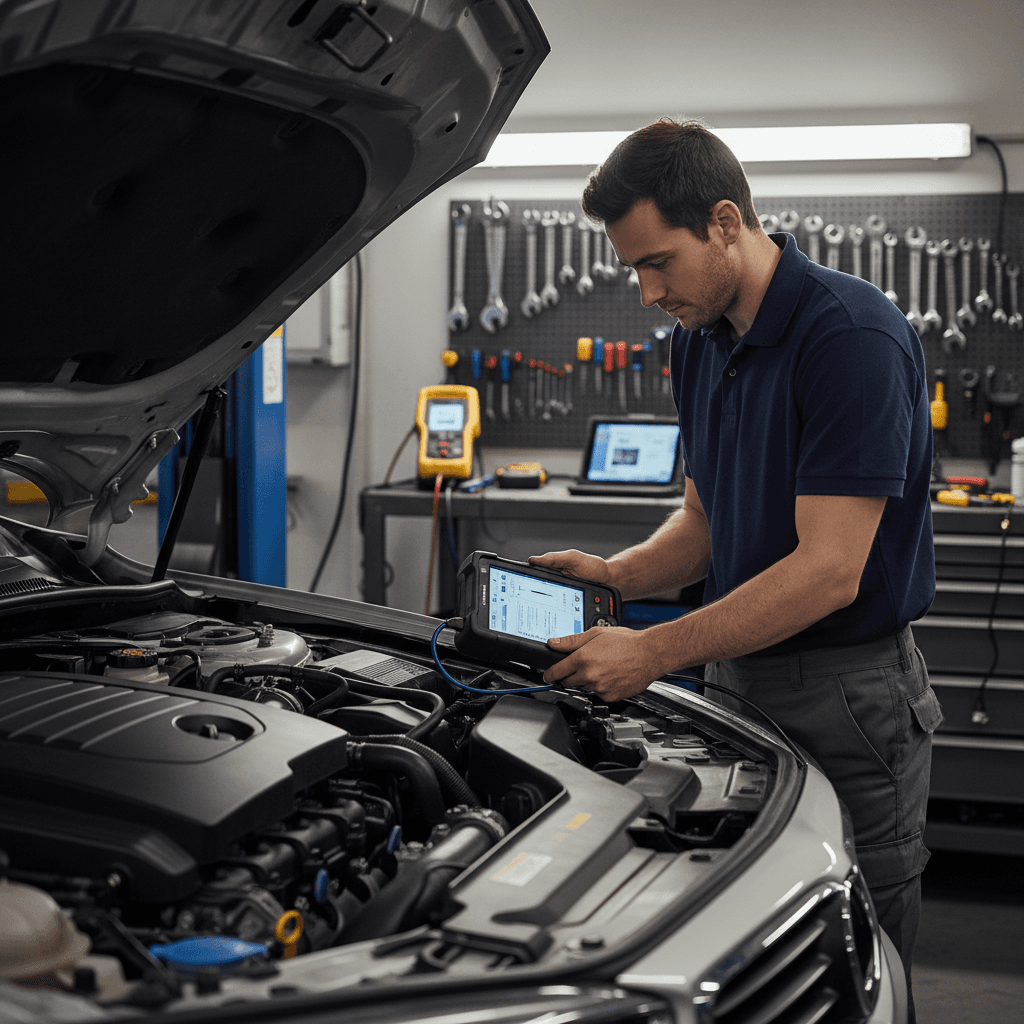
Scan the OBD-II system: identifying pending fault codes can catch electronic issues before they cause a breakdown.
Evaluate the battery: test the cold cranking amps to ensure it can handle Carbon County winters.
This proactive audit ensures your reliable automotive repair and maintenance plan starts on day one. If you find yourself holding the keys to a new-to-you vehicle but lack its history, you can contact Keith Auto & Sales to perform a comprehensive health check. Starting your ownership with a clean slate is the best way to maximize the life of your investment.
Following the 30-60-90 maintenance schedule is the best way to keep your vehicle running smoothly through Utah’s changing seasons. While staying on top of these intervals saves you money in the long run, managing every detail yourself can be difficult. If you want expert help ensuring your car receives the professional care it deserves, our dedicated team is here to assist you. You can learn more about our commitment to quality service and history by visiting our About page.