Effective car maintenance in winter focuses on testing battery health and installing winter tires for improved traction on icy roads. Drivers should also replace wiper blades, top off specialized winter fluids, and inspect heating systems to remain safe during Utah's freezing temperatures.
Few things are more frustrating than a sluggish ignition on a freezing Carbon County morning, or the sudden loss of traction while navigating a slushy mountain pass. These experiences are common for Utah drivers, yet they often indicate that a vehicle is unprepared for the harsh seasonal shift. At Keith Auto & Sales, we understand that local winter conditions require more than just a cursory glance at your engine. Proper preparation ensures your safety and protects your investment from the corrosive effects of road salt and extreme cold. In this guide, we will examine critical maintenance steps including battery health, tire pressure management, and fluid viscosity. You will also learn how to optimize your visibility and assemble a local emergency kit, ensuring your vehicle remains reliable until the spring thaw arrives.
Why Carbon County Winters Demand Specialized Car Maintenance
Living in Carbon County requires a level of vehicle preparedness that generic online guides rarely capture. Our high desert environment creates extreme temperature fluctuations that put unique stress on battery chemistry and rubber components. While a driver in a milder climate might worry about a dead battery in their driveway, local drivers must prepare for the treacherous conditions of Price Canyon and the unpredictable visibility on Highway 6.
The commute between Price and Helper or the long climb toward Spanish Fork demands more than just a quick look at your fluid levels. These routes involve steep grades and rapid elevation changes where mechanical reliability is the only thing standing between a safe trip and a dangerous breakdown in sub-zero temperatures. Car maintenance in winter serves as a critical safety barrier rather than a mere chore. Adhering to the 30 60 90 car maintenance rule ensures that high-wear parts are replaced before they fail in the middle of a canyon snowstorm. In this region, a well-maintained vehicle is a tool for survival, designed to handle the heavy snowfall and icy passes that define a Utah winter.
The Battery: Protecting Your Vehicle's Cold Start Capability
The internal chemistry of a lead-acid battery relies on a chemical reaction to generate electrons. When the thermometer drops in Price, this reaction slows down significantly. At 32 degrees Fahrenheit, a battery loses about 35 percent of its strength. By the time it hits 0 degrees, that loss jumps to 60 percent. Simultaneously, your engine oil thickens, requiring even more amperage to turn the starter. This combination is why so many vehicles fail to start on a January morning in Carbon County.
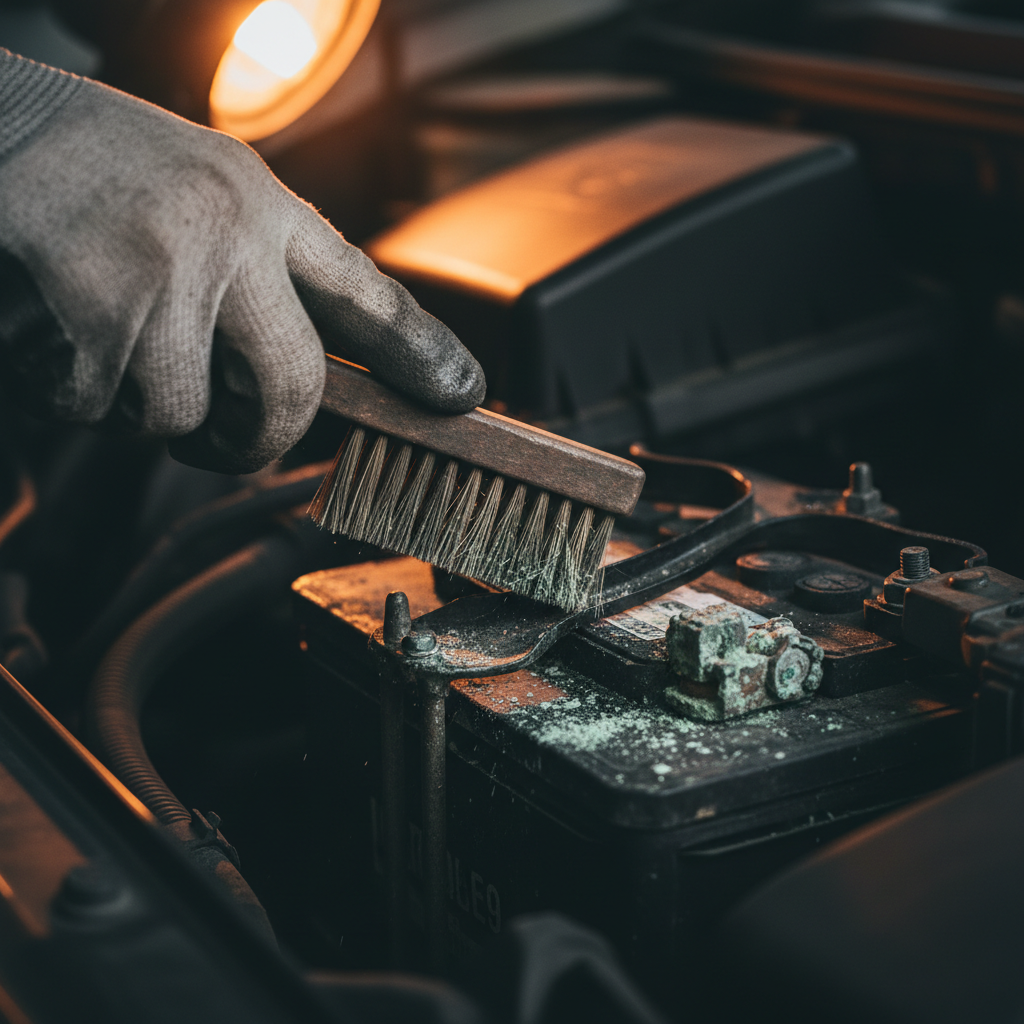
Proactive car maintenance in winter starts with a physical inspection of the battery terminals. Follow these steps to ensure a reliable connection:
Identify corrosion: Look for white, ashy, or blue-green powder around the metal posts. This buildup creates electrical resistance that blocks the flow of power.
Clean the connections: Use a dedicated battery terminal brush or a mixture of baking soda and water to neutralize the acid and scrub away the deposits.
Verify the fit: Gently pull on the cables to ensure they are tight. A loose connection can prevent the alternator from properly recharging the battery while you drive.
If your battery is more than three years old, it is approaching the end of its reliable lifespan. A professional load test is necessary to measure how much cold cranking amps (CCA) the battery can actually deliver under stress. Adhering to the 30 60 90 car maintenance rule helps you stay ahead of these failures. By tracking these intervals, you can replace a weak battery on your own schedule rather than waiting for a sub-zero morning to leave you stranded.
Tire Selection and Pressure for Utah Mountain Passes
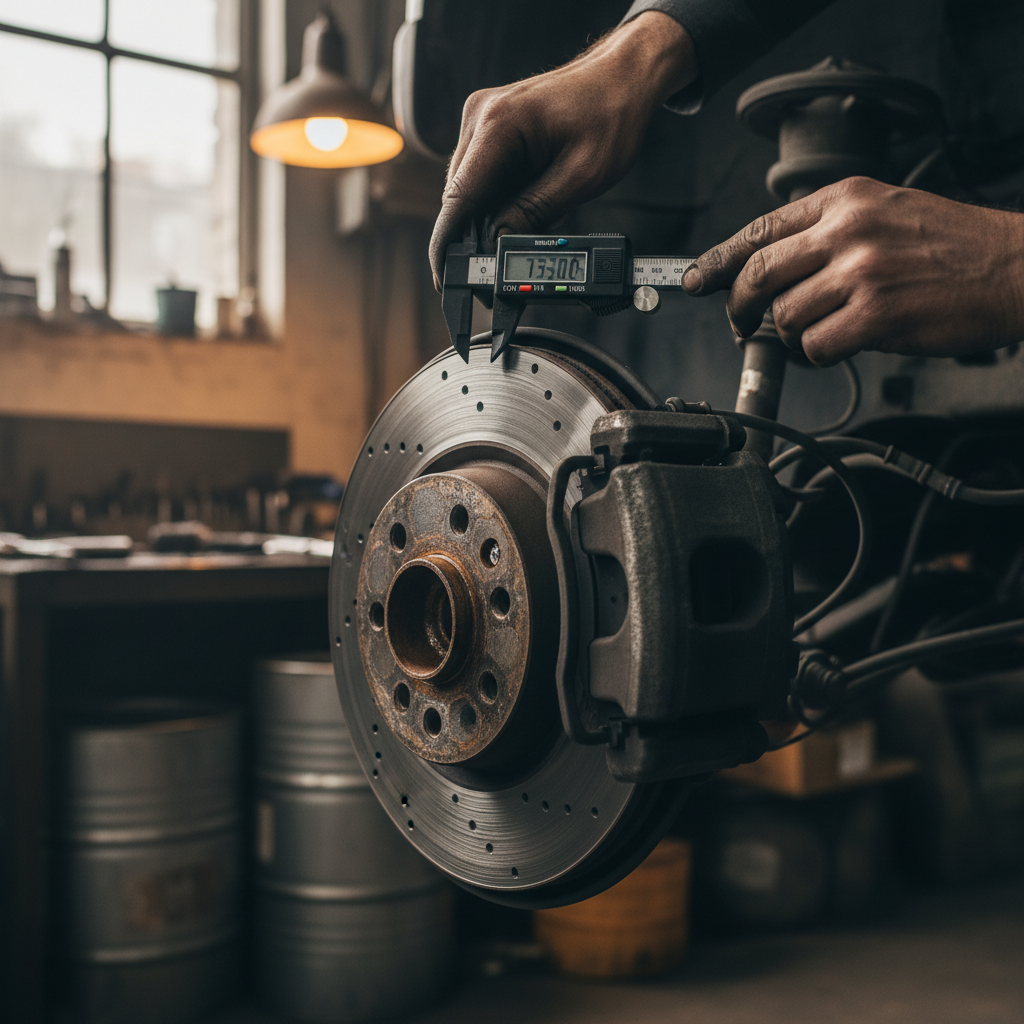
Selecting the right tires is the most consequential decision for navigating Utah mountain passes safely. While all-season tires are marketed as versatile, their rubber compounds are designed to withstand summer heat, which causes them to stiffen when temperatures drop. Once the pavement hits 45 degrees, all-season rubber loses its ability to deform and grip the road surface effectively. Dedicated winter tires, such as the Bridgestone Blizzak line frequently seen around Price, utilize specialized hydrophilic coatings and softer compounds to remain pliable in extreme cold. This flexibility allows the tire to wrap around microscopic road imperfections and bite into the snow for superior traction.
A common misconception involves the common query of how to drive on icy roads with 4x4. In our experience, drivers often conflate four-wheel drive with four-wheel stop. While 4WD provides the necessary torque to climb out of the canyon or move through deep slush, it offers no advantage when you need to brake or steer on a sheet of ice. Your stopping distance is determined by your tire's contact patch and tread design, not your drivetrain. Reliance on 4WD without proper winter tires can lead to a false sense of security during a descent toward Spanish Fork.
Pressure management is equally vital for consistent car maintenance in winter. As the air cools, it becomes denser, causing tire pressure to drop. A standard rule of thumb is that for every 10 degree decrease in temperature, you will lose roughly one PSI. A sudden cold snap can easily leave your tires significantly under-inflated, compromising your fuel economy and handling. Regularly verifying these levels is as important as following the 30 60 90 car maintenance rule for your vehicle's long-term health. If you notice uneven wear or vibration during your commute, contact Keith Auto & Sales to ensure your alignment and tread are prepared for the winter months.
Visibility and Wipers: Seeing Clearly Through the Salt and Slush
Visibility is the primary safety factor when navigating the frequent whiteout conditions of Price Canyon. Utah road crews rely heavily on magnesium chloride and road salt to manage ice, which creates a stubborn, opaque film on your windshield as it dries. Standard washer fluid consists primarily of water and will freeze instantly upon contact with the glass or within the lines when temperatures drop. Using a winter grade fluid with a de-icer agent is a critical component of car maintenance in winter, as it stays liquid in sub-zero temperatures and helps melt light frost.
Inspect your wiper blades for physical signs of degradation such as streaking, chattering, or rubber separation. For Carbon County drivers, beam style blades are a practical upgrade over traditional bracketed blades. The beam design lacks an external frame, which prevents ice from packing into the joints and ensures the blade maintains consistent pressure against the windshield.
Finally, ensure your heating system and rear defroster are functioning at peak capacity. A weak blower motor or a damaged rear grid can lead to rapid interior fogging during a steep ascent, obstructing your view of surrounding traffic. If you suspect your HVAC system is underperforming, seeking comprehensive automotive repairs before the peak of the season can prevent a dangerous loss of visibility on Highway 6.
Essential Fluids: Antifreeze and Oil Viscosity for Sub Zero Temps
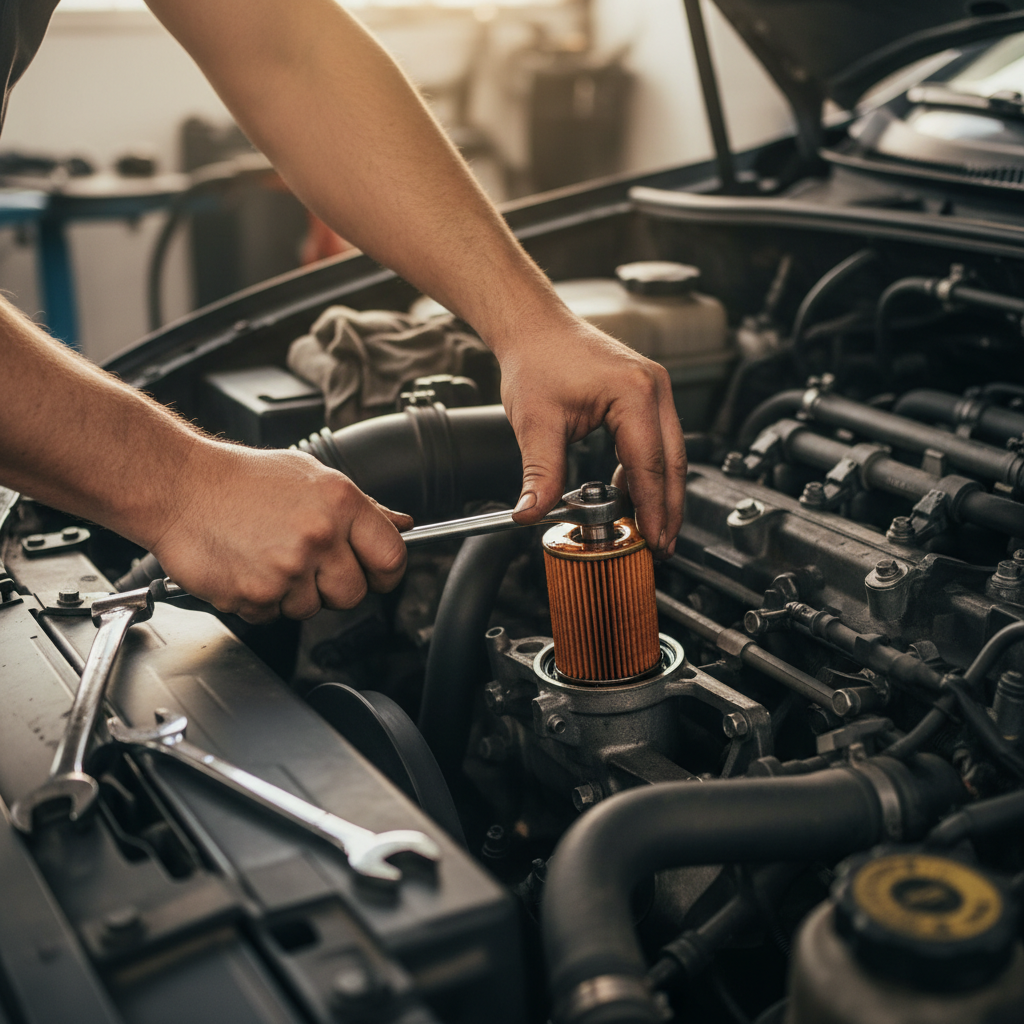
Beyond clear glass, your vehicle’s internal temperature management is the next line of defense against the Utah cold. Engine coolant, commonly known as antifreeze, is the primary safeguard preventing your engine block from cracking. If the liquid inside your engine were to freeze, it would expand with enough force to shatter metal components. A standard 50/50 mixture of antifreeze and distilled water is sufficient for most drivers in Price, providing protection down to approximately -34 degrees Fahrenheit. However, if you frequently commute through the highest elevations of Carbon County where temperatures can plummet further, a 70/30 concentration may be necessary to ensure the fluid remains liquid in extreme sub-zero conditions.
Engine oil also undergoes physical changes as the thermometer drops. Conventional oils tend to thicken in the cold, behaving more like molasses than a lubricant. This delay in flow leaves critical engine parts unprotected for several seconds during a cold start. Switching to a high quality synthetic oil is a practical choice for car maintenance in winter. Synthetic oil is engineered to maintain a lower viscosity, allowing it to flow immediately to the top of the engine even when the temperature sits at zero.
Verifying these fluid levels and their chemical health is a vital step in your pre-winter car maintenance. If your vehicle is approaching a major mileage milestone, adhering to the 30 60 90 car maintenance rule will ensure these fluids are flushed and replaced before they lose their effectiveness. For those who require assistance with cooling system testing or seasonal oil changes, seeking comprehensive automotive repairs ensures your vehicle is chemically prepared for the high desert winter.
Carbon County Winter Emergency Kit Essentials
Proper fluid management provides the internal protection your vehicle needs, but local conditions often require a physical safety net. A breakdown or road closure in Price Canyon can leave you stranded in sub-zero temperatures where cell service is notoriously spotty. You should not rely on a smartphone for navigation or emergency communication in these dead zones. A physical Utah road map and a flare or signaling device are vital for navigating detours or alerting emergency responders when digital tools fail.
Your kit should include a portable jumper pack, which allows you to restart a dead battery without needing a second vehicle. Pack a collapsible snow shovel and a bag of sand or non-clumping cat litter to provide immediate traction on icy shoulders. For personal safety, store heavy wool blankets and high-calorie snacks to maintain body heat during an extended wait. Integrating these supplies into your car maintenance in winter ensures that a mechanical setback does not become a survival situation. If you need to verify your vehicle’s readiness before a long trip, contact Keith Auto & Sales for a thorough inspection.
Common Winter Driving Questions for Utahns
A common point of confusion for Price residents involves the necessity of idling a vehicle on a freezing morning. While older carbureted engines required time to reach operating temperature to avoid stalling, modern fuel-injected vehicles are designed to be driven almost immediately. You only need to let your car run for about 30 seconds to a minute to ensure oil is circulating through the engine block. Driving the vehicle gently is actually the most efficient way to bring the engine and transmission up to temperature, provided you have cleared your windows for full visibility. Prolonged idling wastes fuel and can lead to unnecessary engine wear by diluting the oil with unburned gasoline.
The Utah Highway Patrol encourages drivers to follow the 3 Ps of Winter Driving to navigate our high desert climate safely. The first P is Prepare, which involves stocking your emergency kit and scheduling routine car maintenance in winter. The second is Protect, reminding you to always wear a seatbelt and ensure children are in properly installed cold weather gear that doesn't interfere with harness straps. The final P is Prevent, which focuses on driving behavior; this means slowing down, increasing following distances to at least ten seconds, and avoiding the use of cruise control on icy patches.
Local drivers must also stay informed about UDOT winter driving laws, particularly when traveling through canyons. During severe storms, UDOT may implement Traction Advices on Highway 6 or SR-191. These laws require all vehicles to have M+S (Mud and Snow) tires, tires with the 3-Peak Mountain Snowflake symbol, or chains. If your vehicle is not 4WD or AWD, you are often legally required to carry or install chains during these alerts. Staying ahead of these legal requirements is easier when you follow a structured 30 60 90 car maintenance rule, ensuring your tires and brakes are ready before the first snowflake hits the pavement.