Common car battery warning signs include a slow engine crank, clicking sounds during ignition, and a dashboard warning light. Physical symptoms like a bulging battery case or blue salt deposits on terminals also indicate failure; these issues are often exacerbated by cold weather.
There is nothing quite as frustrating as turning your key on a frigid morning in Carbon County only to be met by the sluggish crank or rhythmic clicking of a failing battery. In our high-desert climate, where winter temperatures frequently drop below freezing, a dependable vehicle is more than a convenience; it is a vital safety requirement for navigating rural roads. Minor electrical hiccups often serve as the final warning before a total breakdown leaves you stranded in the snow. At Keith Auto & Sales, we prioritize keeping your vehicle reliable through every season. This guide outlines the critical warning signs of a dying battery, explores why Utah winters are particularly taxing on your electrical system, and provides clear steps to diagnose whether you are facing a battery, alternator, or starter issue.
Recognizing the Top Car Battery Warning Signs Before You Are Stranded
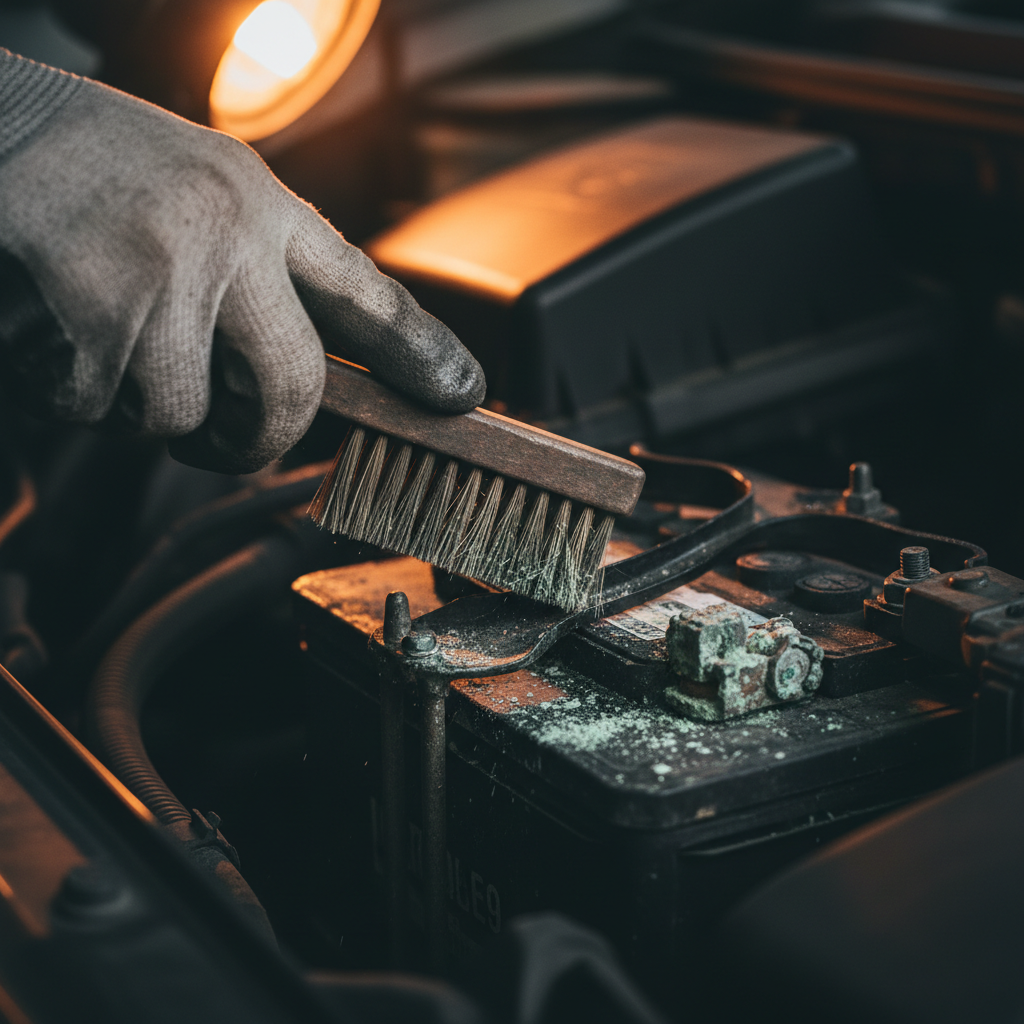
Identifying car battery warning signs early can save you from a stressful morning in Price or Helper when the temperature drops. One of the most common indicators is the slow crank. If you turn the key and hear the engine let out a heavy, groaning sound before eventually catching, the battery is struggling to provide enough amperage to the starter. This differs from the rapid, metallic clicking sound you might hear when you turn the ignition. That clicking often indicates the starter solenoid is receiving enough juice to engage but not enough to turn the motor; it is a clear sign the battery is near total depletion.
Pay attention to your electrical components while the vehicle is idling. If your headlights appear noticeably dim at a stoplight but brighten when you rev the engine or begin driving, the battery is no longer holding a sufficient charge to support the vehicle's electrical load without help from the alternator. Staying current with reliable automotive repair and maintenance ensures these components are functioning together as they should.
Physical inspections are equally important. A battery that emits a pungent, rotten egg smell is likely leaking sulfuric acid gas. This is often caused by overcharging or internal damage, and the gas is both corrosive and flammable. Furthermore, if you notice the battery case is swollen or bulging, it is an immediate safety hazard. Extreme temperatures can cause the internal lead plates to warp or the casing to expand. Such a battery requires instant replacement to avoid a potential rupture.
It is important to distinguish these failure signs from simple cold-weather sluggishness. While cold engine oil can make an engine turn over slightly slower, it should not produce a metallic clicking sound or a chemical odor. If you are unsure about the health of your vehicle, consulting trusted Carbon County automotive experts for a professional inspection is the safest course of action.
The Science of Why Utah Winters Kill Car Batteries
Carbon County winters present a unique challenge for lead-acid batteries due to a two-pronged physical and chemical attack. First, the freezing temperatures outside Price and Helper cause your engine oil to thicken significantly. Instead of flowing freely, cold oil becomes viscous and heavy; this forces the starter motor to draw significantly more current from the battery just to turn the crankshaft. While the engine's demand for power spikes, the battery’s ability to provide it simultaneously plummets.
The internal chemistry of a car battery relies on a reaction between lead plates and an electrolyte solution. As temperatures drop, this molecular motion slows down. Technical data indicates that at 0°F, a typical car battery retains only about half of the cranking power it possessed at 80°F. When you combine increased mechanical resistance from thick oil with a 50 percent drop in available energy, it is clear why many local drivers experience their first car battery warning signs during the season’s first hard freeze.
There is also a hidden danger involving the state of charge. A fully charged battery is remarkably resilient, with a freezing point as low as -76°F. However, if a battery is partially discharged, the electrolyte solution contains less acid and more water. In this state, a battery can freeze at a temperature as high as 32°F. When the liquid inside freezes, it expands and can warp the internal lead plates or crack the separators, leading to permanent, irreversible damage. Keeping up with reliable automotive repair and maintenance can prevent a weak charge from turning into a frozen, useless battery.
Is It the Battery, Alternator, or Starter? How to Tell the Difference
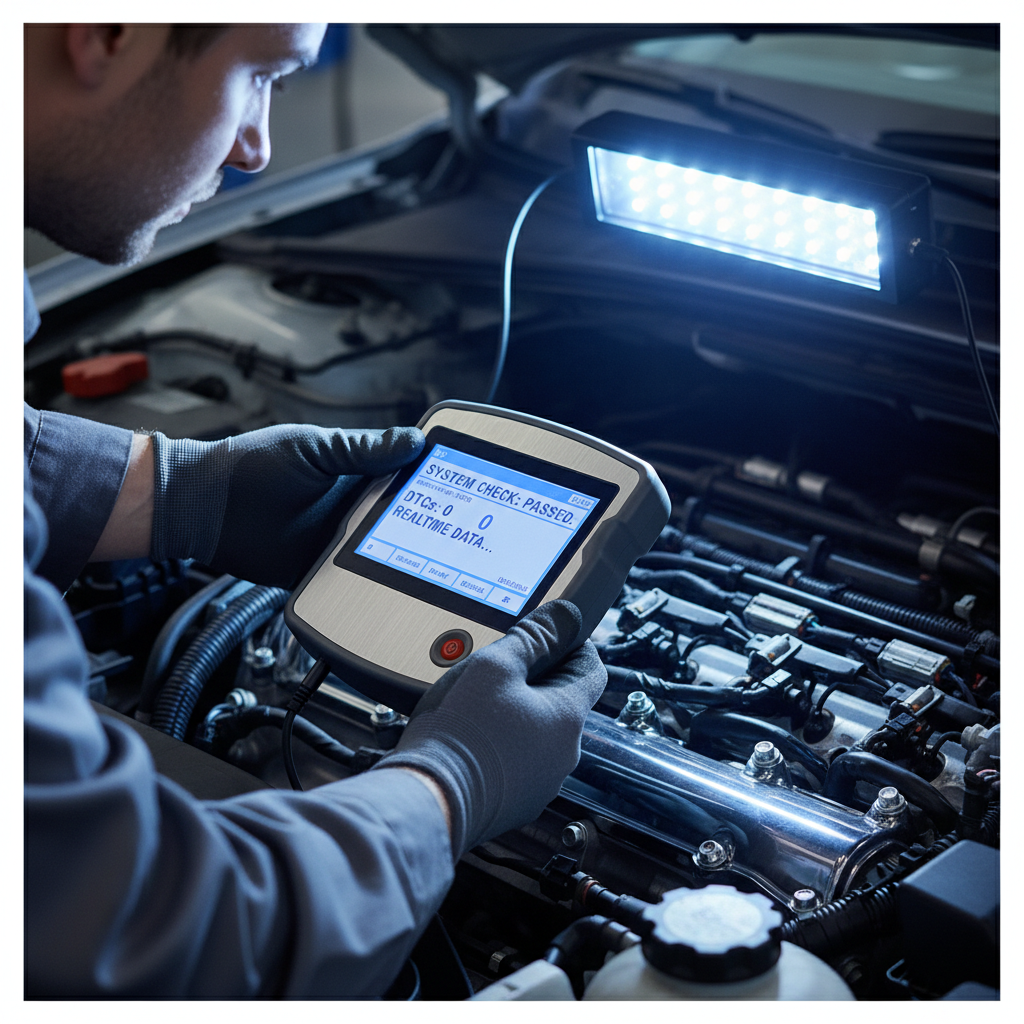
Distinguishing between a dead battery, a faulty alternator, and a seized starter is a common point of confusion for drivers. While they all result in a car that will not move, the remedy for each is quite different. One of the most practical ways to diagnose the issue is a jump start test. If your vehicle starts with a jump and continues to run after you disconnect the cables, the alternator is successfully powering the ignition system. This result points toward the battery being unable to hold a charge. However, if the engine dies shortly after the cables are removed, the alternator is likely failing to generate the electricity required to keep the car running.
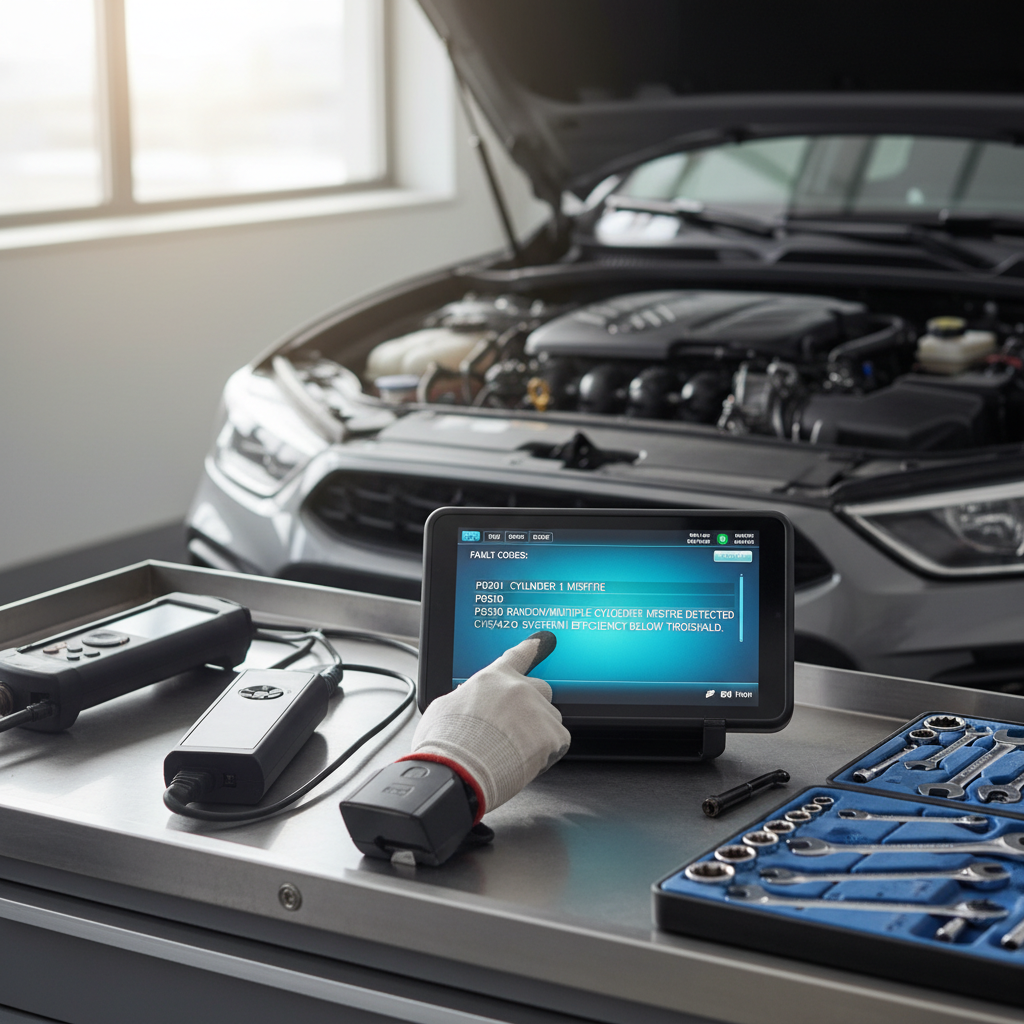
For those with a multimeter, specific voltage benchmarks provide a clearer picture of electrical health. A healthy battery should read approximately 12.6 volts when the engine is off. Once the engine is running, the alternator should be pushing that reading up to a range between 13.5 and 14.5 volts. If the voltage remains stagnant at 12.2 volts or drops while the engine is idling, the charging system is not performing its job. Recognizing these car battery warning signs early can prevent you from being stranded on a remote road in Carbon County.
Sound cues also offer diagnostic help. A distinct growling or whining noise coming from the engine bay often indicates a failing alternator bearing or an internal electrical fault within the unit. Conversely, if you turn the key and hear only silence or the rapid clicking mentioned in previous sections, the problem is likely localized to the battery or the starter motor itself. If the electrical system seems strong, meaning the dashboard lights and headlights are bright, but the engine still will not turn over, the starter is the probable culprit. For a definitive diagnosis, you can contact Keith Auto and Sales to have your charging system tested. Relying on trusted Carbon County automotive experts ensures you do not spend money on a new battery when a faulty alternator was the actual cause of the breakdown.
How Long Does a Car Battery Last in Carbon County?
In most parts of the country, a standard lead-acid battery lasts between three and five years. However, the high-altitude climate and extreme temperature swings in Carbon County often push that timeframe toward the shorter end of the spectrum. Many drivers in Price and Helper are surprised when their vehicle fails during the first freeze, but the damage often starts months earlier during our intense summer heat. High temperatures accelerate the evaporation of the electrolyte solution and speed up internal corrosion. This chemical degradation effectively ages the battery prematurely, though you might not notice any obvious car battery warning signs while the air is warm and the engine is easy to turn over.
The real test occurs when the temperature drops and the battery, already weakened by summer heat, can no longer produce the necessary cold cranking amps. To avoid being stranded, check the date code on the sticker located on the top or side of your battery. This is usually a combination of a letter for the month and a digit for the year; for example, B-21 would indicate February 2021. If your battery is approaching the four-year mark, consulting trusted Carbon County automotive experts for a health check is a smart move. Proactive replacement after four years is often more cost-effective than an emergency tow or a missed day of work. You can contact Keith Auto and Sales to verify your battery age and condition before the next cold front arrives.
Steps to Prevent Battery Failure and Extend Lifespan

One of the most effective ways to prevent premature failure is keeping the electrical connections clean. Over time, you may notice a blue or white powdery buildup around the metal terminals. This is corrosion, often caused by the venting of hydrogen gas from the battery acid, and it creates electrical resistance that forces your starter to work harder. To fix this, use a stiff wire brush and a solution of baking soda and water to scrub the terminals until the metal is bright and clean. Ensuring a tight, metal-to-metal connection prevents the subtle car battery warning signs that often go ignored until the engine refuses to turn over on a cold morning.
For vehicles that are not driven daily in Price or Helper, the Utah winter becomes an even greater threat. If a car sits for a week or more in freezing temperatures, the battery slowly discharges. Using a battery blanket or a smart maintainer, also known as a trickle charger, can keep the internal chemistry active and warm enough to prevent the electrolyte solution from freezing. This is a critical step for work trucks or secondary vehicles that may spend long periods idle. Incorporating these simple habits into your reliable automotive repair and maintenance routine can significantly extend the life of your battery.
While many DIYers use a multimeter to check voltage, a simple voltage reading does not tell the whole story. A professional load test, performed by trusted Carbon County automotive experts, is essential because it measures how the battery performs under the heavy stress of a cold start. A battery might show a healthy 12.6 volts on a meter but collapse the moment a load is applied because the internal plates are degraded. To get a definitive answer on your battery's health, you can contact Keith Auto and Sales for a diagnostic test that goes beyond surface-level readings.
What to Do When Your Battery Fails in Rural Utah
Getting stuck on a remote stretch of road between Price and Wellington is more than an inconvenience; it is a serious safety risk during a Utah winter. If your engine fails to turn over in a secluded area, having the right tools on hand is critical. Keep a portable lithium ion jump pack or heavy duty 4 gauge jumper cables in your trunk at all times. A jump pack is particularly valuable because it allows you to restart your engine without needing a second vehicle, which is vital if you are stranded on a less traveled route like Highway 191.
Many drivers ignore subtle car battery warning signs, such as a single sluggish start on a cold morning, only to have the unit fail completely a few days later. If you experience even one instance where the engine hesitates or the electronics flicker before catching, treat it as a final warning. Instead of waiting for a total breakdown, contact Keith Auto and Sales immediately. A quick health check from trusted Carbon County automotive experts can determine if you just need a charge or if reliable automotive repair and maintenance is required to replace a failing unit before it leaves you in a dangerous situation.
Recognizing the early warning signs of a failing battery is the best way to avoid a stressful breakdown during a cold Carbon County morning. Whether you notice a slow engine crank or dimming headlights, staying proactive ensures your vehicle remains reliable all winter long. If you want expert help keeping your car in top shape, you can learn more About our team and our commitment to local drivers. We are here to help you navigate the seasons with total confidence and peace of mind.