The most common brake warning signs include high pitched squealing or grinding noises, a soft or spongy brake pedal, and unusual vibrations while stopping. Drivers should also be alert for illuminated dashboard lights or a burning smell; these symptoms indicate that the braking system needs immediate professional service to ensure safety on steep mountain roads.
Few things are more unsettling than feeling your brake pedal go soft while navigating a steep descent near Price, Utah. In the high altitude and rugged terrain of Carbon County, your braking system faces extreme thermal stress that most standard maintenance schedules simply do not account for; consequently, recognizing early symptoms of wear is a matter of both safety and financial wisdom. Ignoring a faint squeal or a slight steering wheel vibration can quickly lead to glazed rotors or complete brake fade during a mountain commute. This guide will help you interpret critical dashboard alerts, understand the mechanical toll of Utah’s steep grades, and provide professional strategies for extending the life of your pads. By learning these expert indicators, you can ensure your vehicle remains reliable whether you are commuting through the canyon or hauling a load across the valley.
Recognizing Early Brake Warning Signs Before They Become Hazards
Brakes rarely fail without warning, but they do require a vigilant ear and foot. In Carbon County, the steep grades put significant stress on your braking system, often causing brake warning signs to manifest sooner than in other regions.
The most common auditory signal is a high pitched squeal. Most modern brake pads include a small metal tab known as a wear indicator. When the pad material wears down to a critical thickness, this tab makes contact with the rotor, creating a persistent chirping or squealing sound. This is your vehicle’s way of saying it is time for a reliable automotive repair checkup.
If that squeal transitions into a harsh, metallic grinding sound, you have reached a dangerous stage. This indicates that the friction material is entirely gone, leaving the metal backing plate to press directly against the rotor. This metal on metal contact not only reduces stopping power but also causes immediate damage to the rotors.
At Keith Auto & Sales, we prioritize honest communication and dependable workmanship to help you understand your options. Catching wear early usually means a straightforward pad replacement. However, if grinding has occurred, we must assess if the rotors can be resurfaced, which involves smoothing the surface on a lathe, or if they require full replacement. Because Carbon County drivers frequently navigate long descents, ignoring these sounds leads to rapid heat buildup and accelerated component failure. Staying ahead of these signals is the most practical way to ensure your vehicle remains safe on Utah mountain roads.
The Carbon County Challenge: Mountain Driving and Brake Fade
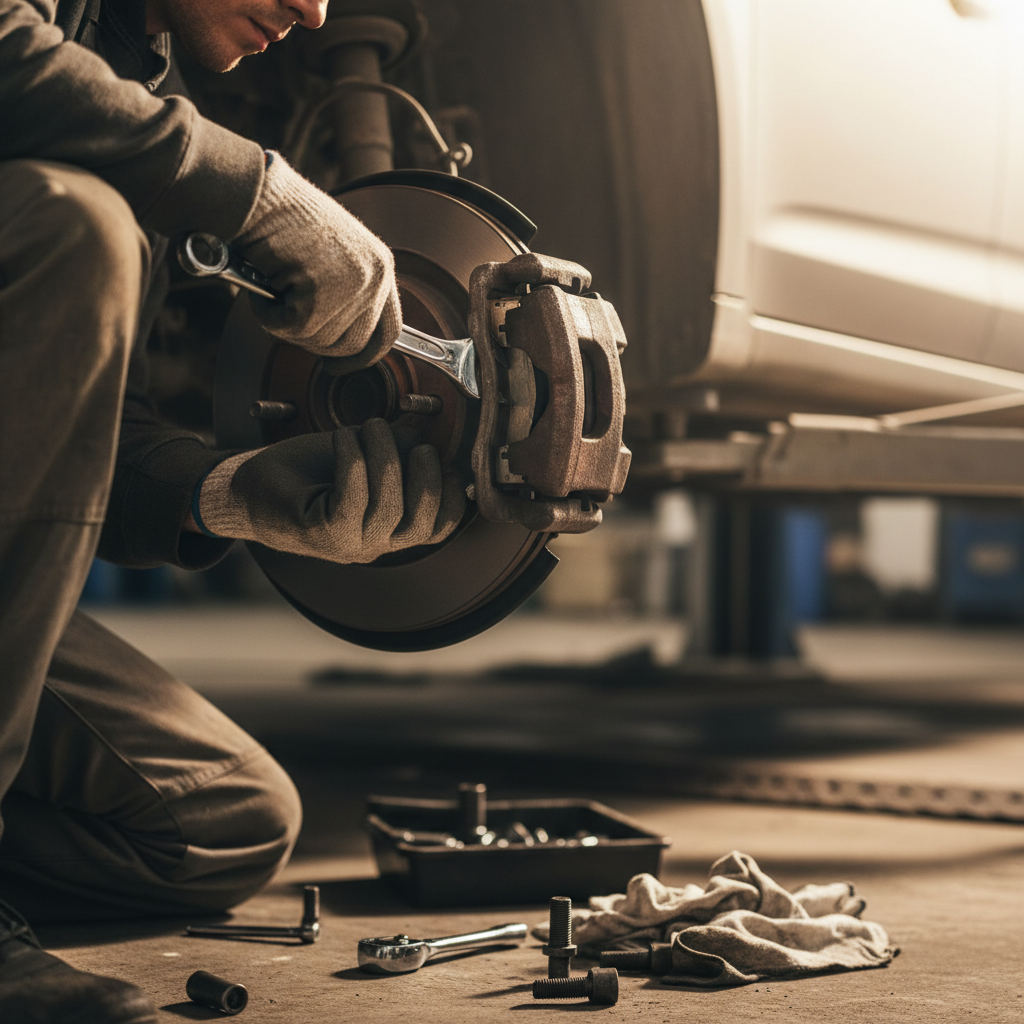
Navigating the steep grades of Price Canyon or Indian Canyon requires more from your vehicle than a typical highway commute. These long descents introduce a specific danger known as brake fade. Unlike the auditory brake warning signs mentioned earlier, brake fade is a temporary reduction in stopping power caused by intense heat buildup within the braking system.
The physics are straightforward. Brakes work by converting the kinetic energy of your moving vehicle into thermal energy through friction. On a steep mountain pass, the constant application of the brakes generates immense temperatures. When these components exceed their thermal operating range, two things happen. First, the brake pads can outgas, creating a thin layer of hot gas between the pad and the rotor that acts like a lubricant, preventing necessary grip. Second, the brake fluid itself can reach its boiling point. Because gas compresses while liquid does not, boiling fluid creates air bubbles that lead to a catastrophic loss of hydraulic pressure.
Brake fade presents unique symptoms that every Utah driver should recognize. You might notice a sharp, chemical burning smell similar to acrid toast. More dangerously, your brake pedal might feel firm and normal underfoot, yet the vehicle simply refuses to slow down. This occurs because the pads have lost their friction coefficient due to extreme heat. In other cases, the pedal may suddenly travel to the floor with almost no resistance if the fluid has boiled.
If you experience a loss of braking power or smell significant heat after a long descent, do not try to push through to your destination. Shift to a lower gear to use engine braking, safely pull over to the shoulder as soon as possible, and allow the system to cool naturally for at least 30 to 60 minutes. Continuing to drive with overheated brakes can lead to permanent component damage. Ensuring your system is up to the task through reliable automotive repair is essential for anyone regularly traversing the canyons of Carbon County.
Why Utah Grades Cause Accelerated Rotor Wear and Pulsation
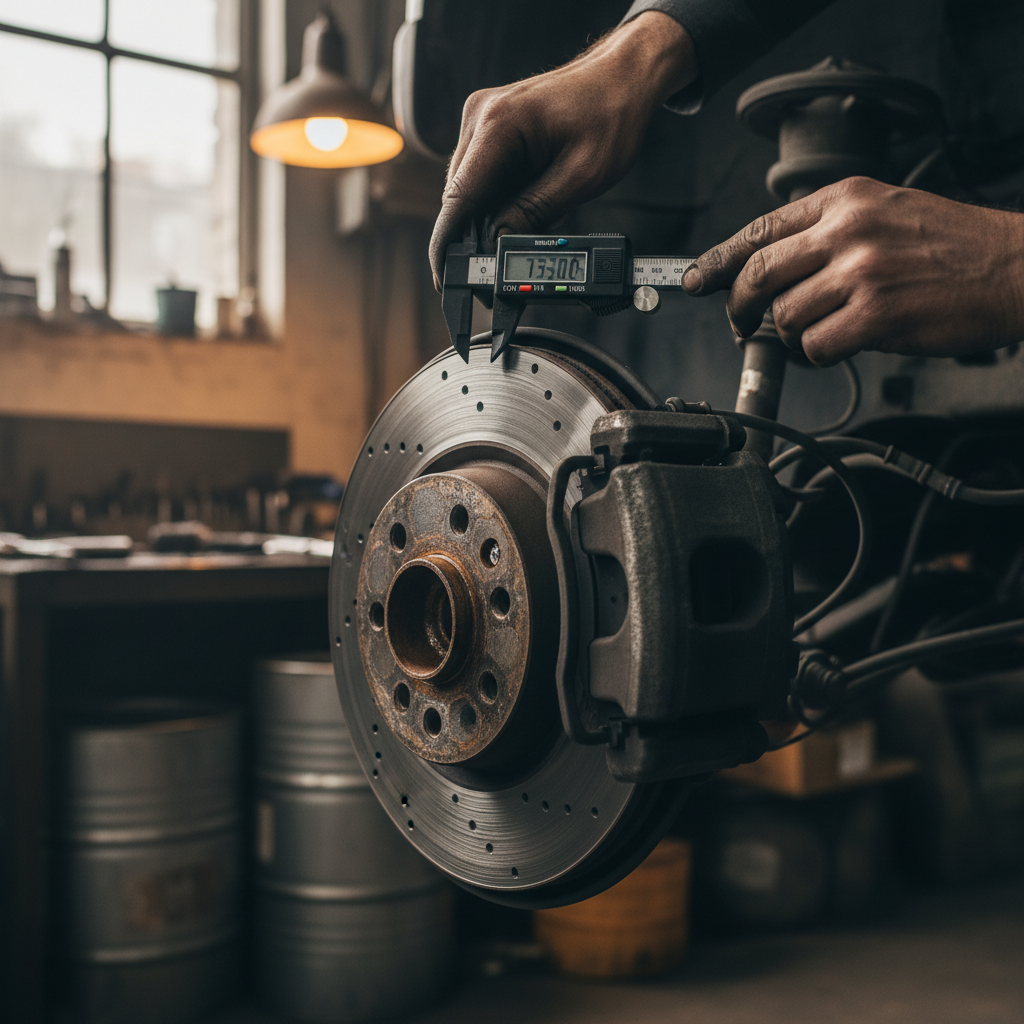
The physical strain of recovering from brake fade is only part of the equation. In Carbon County, the geographical layout forces drivers into prolonged periods of heavy braking that can lead to a common issue: brake pulsation. When you are descending steep grades, the friction between the pads and rotors generates extreme thermal energy. If this heat is not managed correctly, it often results in what many drivers describe as warped rotors.
While people frequently use the term warping, the reality is often more complex. On mountain roads, intense heat can cause the brake pad material to become semi-liquid and transfer unevenly onto the surface of the rotor. These uneven pad deposits create microscopic high and low spots on the disc. When the pads press against these variations at highway speeds, you will feel a distinct vibrating or shimmying sensation in the steering wheel, or a rhythmic pulsing through the brake pedal.
This issue is particularly prevalent for local drivers because our winding roads require frequent, forceful adjustments in speed. A vehicle driven primarily on flat interstates might never experience the temperatures necessary to cause this type of rotor wear. However, for those traveling between Price and Helper, the constant cycles of heating and cooling put rotors under immense stress. If you notice these specific brake warning signs, it is a signal that your rotors may need resurfacing or replacement to restore a smooth, safe stop. Maintaining your braking system through reliable automotive repair ensures these vibrations do not compromise your control during a critical descent.
Interpreting Dashboard Lights and Brake Pedal Feel
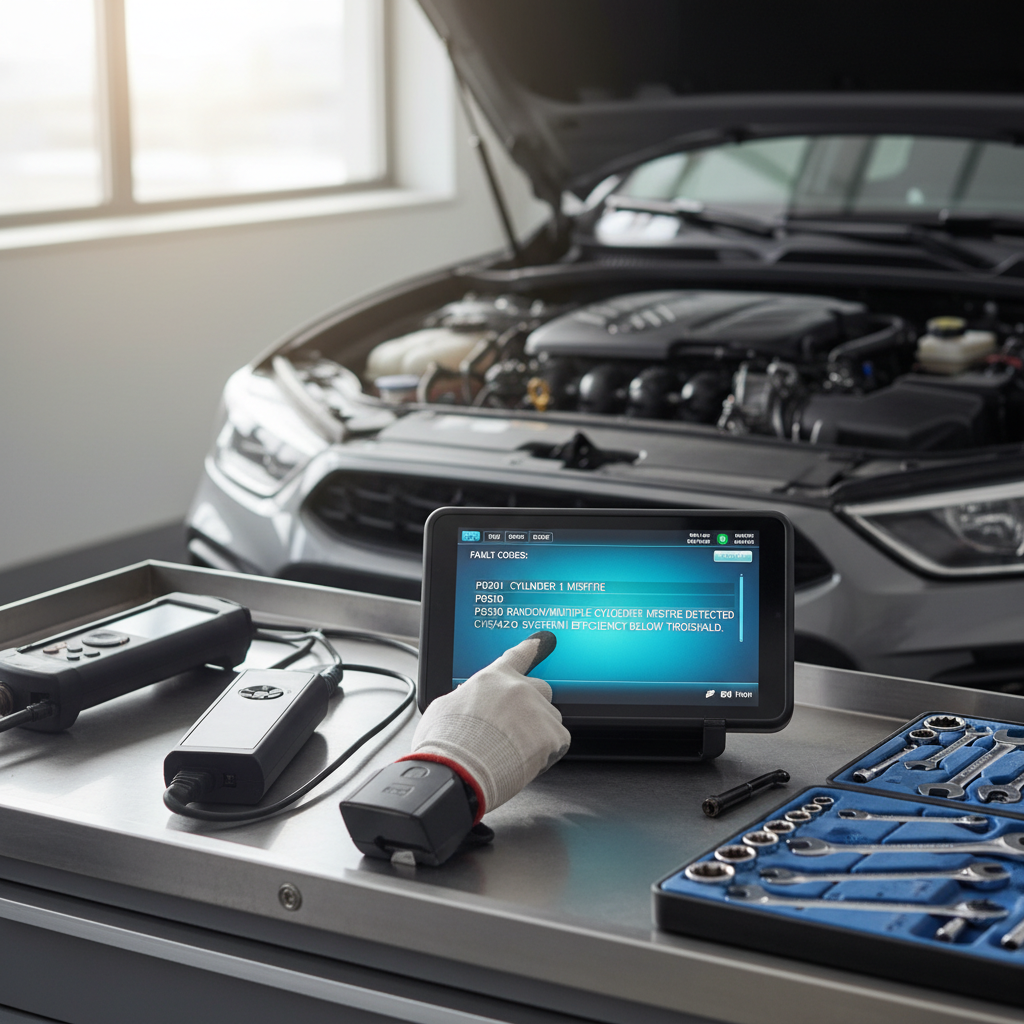
Beyond physical vibrations, your vehicle communicates through electronic alerts and the tactile feedback of the pedal. Understanding these specific brake warning signs can prevent a breakdown on a remote canyon road. The yellow or amber ABS light indicates a fault in the anti-lock braking system. While your primary brakes likely still function, you lose the computer assisted pulsing that prevents wheel lockup during a skid. Conversely, a red brake warning light is more urgent. It usually signals low hydraulic fluid levels or a significant loss of system pressure, necessitating immediate reliable automotive repair.
The sensation under your foot is equally telling. A spongy or soft pedal that sinks slowly to the floor when you are stopped at a light often points to a failing master cylinder. This component acts as the heart of your hydraulic system; internal seal failure means the pressure required to clamp your pads is leaking away. In Price, our extreme temperature swings and high elevation accelerate this process. Brake fluid naturally absorbs moisture from the air. In our climate, this accumulated water causes internal corrosion and lowers the fluid's boiling point, leading to a mushy pedal feel that compromises your safety during heavy mountain use. We prioritize honest communication and dependable workmanship to help you identify whether you need a simple fluid flush or a new master cylinder.
How Often Should You Replace Brakes in Carbon County?
Standard estimates for brake pad longevity typically range from 25,000 to 70,000 miles, but these figures rarely account for the geographic demands of Carbon County. For residents of Helper or Price, the reality is usually closer to the lower end of that scale. While a highway driver in the Midwest might coast for miles on flat terrain, local drivers are constantly engaging their brakes to counteract gravity on steep canyon descents. This repetitive, high friction environment wears down friction material much faster than typical commuting.
Waiting for a specific mileage milestone before seeking a reliable automotive repair is risky in our climate. Instead, pay attention to the physical brake warning signs your vehicle exhibits, such as thinning pads or increased stopping distances. To help new components last as long as possible, we recommend following the 30/30/30 rule for bedding in new pads. This involves making 30 slow, gentle stops from 30 mph, allowing 30 seconds of cooling time between each. This process ensures the pad material transfers evenly to the rotor, creating a durable surface that can better withstand our local terrain. Our commitment to honest communication and dependable workmanship means we prioritize visual inspections over generic mileage charts, ensuring you only replace parts when they truly reach the end of their safe service life.
Pro-Tips for Extending Brake Life on Steep Utah Descents
Extending the life of your braking system in Carbon County requires a shift in driving habits, especially during the long descents through Price Canyon. The most effective technique is engine braking. By manually downshifting into a lower gear, you use the engine's compression to maintain a safe speed rather than riding the brake pedal. This practice significantly reduces the heat saturation that leads to common brake warning signs like glazing or pulsation.
When it comes to replacement parts, the material you choose makes a significant difference in mountain performance.
Pad Type | Best For | Heat Management Characteristics |
|---|---|---|
Ceramic | Mountain Commuting | High heat resistance; recovers quickly from thermal stress |
Semi-Metallic | Heavy Towing | Excellent heat dissipation but prone to noise and rotor wear |
For most local drivers, ceramic pads offer superior heat management and quieter operation. Beyond pads, do not overlook the condition of your hydraulic fluid. We recommend regular brake fluid flushes to remove moisture that accumulates over time. This is critical for preventing vapor lock, a dangerous condition where boiled fluid creates air pockets in the lines, especially during hot summer trips through the canyon. Our focus on honest communication and dependable workmanship ensures you receive reliable automotive repair that addresses these high-altitude challenges before they become emergencies.
Professional Brake Inspection and Maintenance in Price, Utah

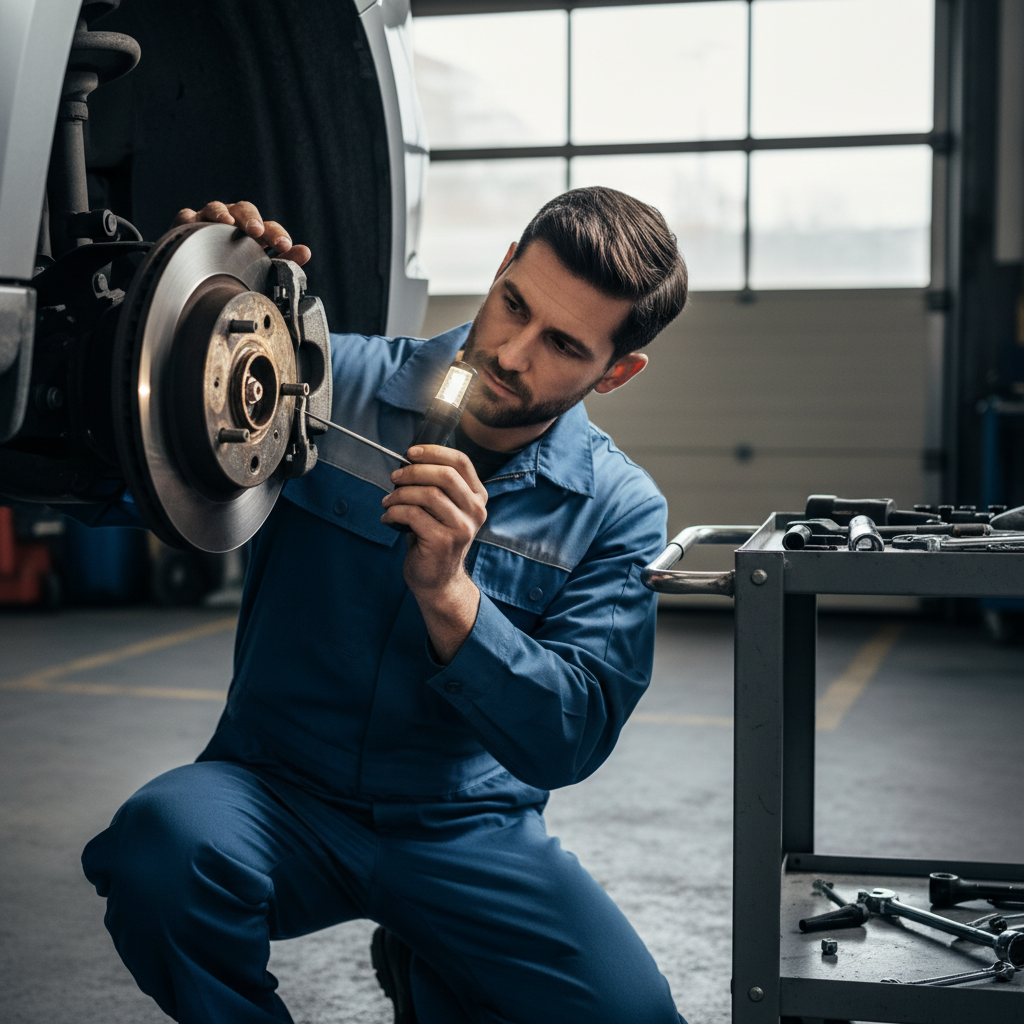
A thorough professional inspection at Keith Auto & Sales goes beyond a quick glance. We use precise measurements to assess your safety, starting with measuring pad thickness in millimeters. While new pads typically start around 12mm, we alert you when they reach the 3mm to 4mm threshold. We also measure rotor runout with a dial indicator to detect the microscopic variations that lead to the physical brake warning signs like pedal pulsation. Finally, we test your fluid for moisture contamination or high copper levels. Our honest communication and dependable workmanship ensures you understand the data. We distinguish between immediate safety hazards and maintenance that can wait, providing reliable automotive repair that fits your budget and safety needs.