A car maintenance schedule by mileage typically requires oil changes and tire rotations every 5,000 to 7,500 miles to ensure optimal performance. Comprehensive inspections of brakes, belts, and fluids should occur at major 30,000; 60,000; and 90,000 mile intervals to prevent long term mechanical issues. Following these specific milestones helps drivers maintain safety and extend the overall lifespan of their vehicle.
Owning a vehicle in Carbon County presents unique challenges; from the steep climbs of Price Canyon to the fine dust of our desert roads, your car works harder than the average commuter vehicle. It is far too easy to ignore a subtle vibration or delay a routine oil change, yet these small oversights often snowball into significant, preventable repair bills that disrupt your daily life. At Keith Auto & Sales, we understand that informed owners drive safer, more reliable vehicles. Maintaining a strict service schedule is the most effective way to protect your automotive investment and ensure you never find yourself stranded on the shoulder of Highway 6. This guide details the essential service milestones your vehicle requires, ranging from foundational 3,000-mile inspections to critical 100,000-mile overhauls. You will learn exactly what needs attention at every stage, why the calendar sometimes matters more than the odometer, and how to track your progress like a professional.
Why Following a Routine Car Maintenance Checklist Matters in Utah
Driving in Carbon County presents a specific set of challenges for any vehicle. Our high desert climate combines fine, abrasive dust with significant elevation changes and extreme temperature swings that can vary by 40 degrees in a single day. These conditions put a unique strain on engines, cooling systems, and rubber components. In our region, normal driving conditions are often closer to what manufacturers define as severe duty. Because of this, a car maintenance schedule by mileage should be viewed as a mandatory preventative tool rather than a loose suggestion.
At Keith Auto & Sales, we emphasize the 30, 60, 90 rule as the foundation for vehicle longevity. This strategy focuses on major service tiers every 30,000 miles to keep systems running efficiently. Adhering to these intervals helps drivers avoid the $3,000 rule. This is the industry observation that neglecting a 100 dollar service, such as a transmission flush or a timing belt inspection, often results in a 3,000 dollar repair bill when a major component fails prematurely.
Maintaining a reliable pre-owned vehicle or a fleet truck requires a proactive approach to these mileage milestones. By catching wear early, you ensure your car can handle the steep grades of Price Canyon and the sub-zero winters of the Wasatch Plateau. If you have questions about your specific vehicle's needs, you can always contact Keith Auto & Sales for expert advice. In the following sections, we will break down exactly what happens during these crucial service intervals to keep your vehicle on the road and out of the shop.
The 3,000 to 7,500 Mile Check: The Foundation of Vehicle Longevity
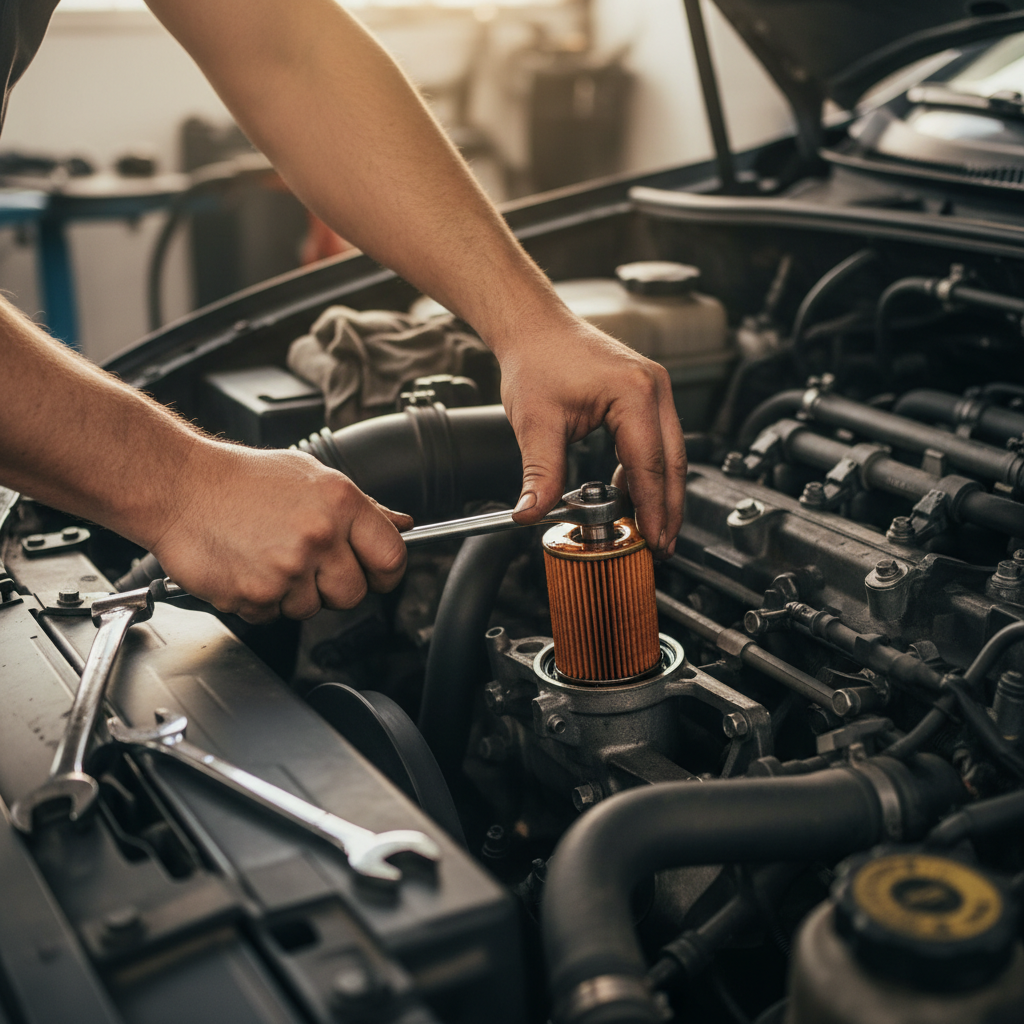
The first tier of a car maintenance schedule by mileage focuses on the most frequent needs of your engine and tires. While the traditional advice was once to change oil every 3,000 miles, advancements in modern synthetic oils have pushed that interval further for most drivers. In Carbon County, the sweet spot for many late model vehicles is 5,000 miles. This interval provides enough protection for the high operating temperatures reached when climbing the steep grades of Price Canyon without the unnecessary expense of monthly changes.
However, the 3,000 mile rule still applies to specific scenarios common in our area. If you are driving an older, high mileage vehicle or using a truck for heavy duty towing and hauling, the oil breaks down more quickly under heat and pressure. For these workhorses, a 3,000 mile oil and filter change is cheap insurance against engine wear. Regular oil changes prevent the buildup of sludge that can lead to catastrophic engine failure in our high desert climate.
Beyond the oil itself, this interval serves as a vital health check for other systems. At Keith Auto & Sales, we prioritize several key tasks during these visits:
Oil and filter change: Removing the dirt and abrasive particles trapped in the lubrication system.
Tire rotation: Moving tires between front and rear axles to ensure even tread wear and extend the life of the rubber.
Fluid level inspection: Checking and topping off engine coolant and windshield washer fluid.
Tire tread depth check: Measuring the remaining rubber to ensure you have traction for slushy winter roads in Price and Helper.
Service Item | Standard Duty (Modern Synthetic) | Heavy Duty (Towing or High Mileage) |
|---|---|---|
Oil & Filter Change | 5,000 to 7,500 Miles | 3,000 Miles |
Tire Rotation | Every 5,000 Miles | Every 5,000 Miles |
Coolant & Washer Fluid Check | Every 5,000 Miles | Every 3,000 Miles |
Regular tire rotations are particularly important for Carbon County drivers. Our mountain roads put lateral stress on tire sidewalls, and rotating them every 5,000 miles helps maximize their lifespan. During this check, we also inspect the tread depth. Given the severity of Utah winters, having adequate tread is the difference between staying on the road and sliding off a mountain pass. If your tread is thinning or your vehicle is showing signs of aging, you can contact Keith Auto & Sales to discuss comprehensive auto maintenance services that keep your car safe.
The 15,000 to 30,000 Mile Service: Breathing Room for Your Engine
Once a vehicle crosses the 15,000 mile mark and approaches 30,000, the maintenance focus shifts toward the systems that protect your engine and cabin from the local environment. In Carbon County, the high desert dust is a persistent challenge. Fine silt and debris eventually saturate your engine air filter, restricting the airflow required for efficient combustion. When an engine struggles to breathe, fuel economy drops and internal temperatures rise. Similarly, the cabin air filter, which cleans the air entering your HVAC system, can become clogged with local pollen and dust, affecting the air quality inside the car.
This mileage interval represents a transition from basic upkeep to a more structured car maintenance schedule by mileage. A 30,000 mile service package is significantly more thorough than a standard oil change. We move beyond the lubrication system to inspect critical safety and performance components that are often overlooked:
Fuel Filter: We check for clogs that could strain the fuel pump or lead to rough idling.
Brake Fluid: This fluid is hygroscopic, meaning it absorbs moisture over time. This can lower its boiling point and lead to a spongy pedal, which is a dangerous condition on steep canyon descents.
Transmission Fluid: For drivers frequently hauling gear or trailers up the canyon, we check for discoloration or a burnt smell. This indicates the fluid is no longer protecting the gears from heat and friction effectively.
Filter or Fluid | Inspection/Replacement Priority | Impact of Neglect |
|---|---|---|
Engine Air Filter | High (In dusty areas) | Reduced MPG and engine power |
Cabin Air Filter | Medium | Poor A/C performance and odors |
Brake Fluid | High (Safety) | Reduced braking response on hills |
Transmission Fluid | High (If towing/hauling) | Gear wear and potential failure |
Performing these checks ensures that your vehicle’s most expensive components remain protected. If you have noticed your vehicle feels sluggish during a climb or the air inside doesn't feel fresh, you can contact Keith Auto & Sales to schedule comprehensive auto maintenance services tailored to your specific mileage.
The 60,000 Mile Milestone: Brakes, Batteries, and Cooling Systems
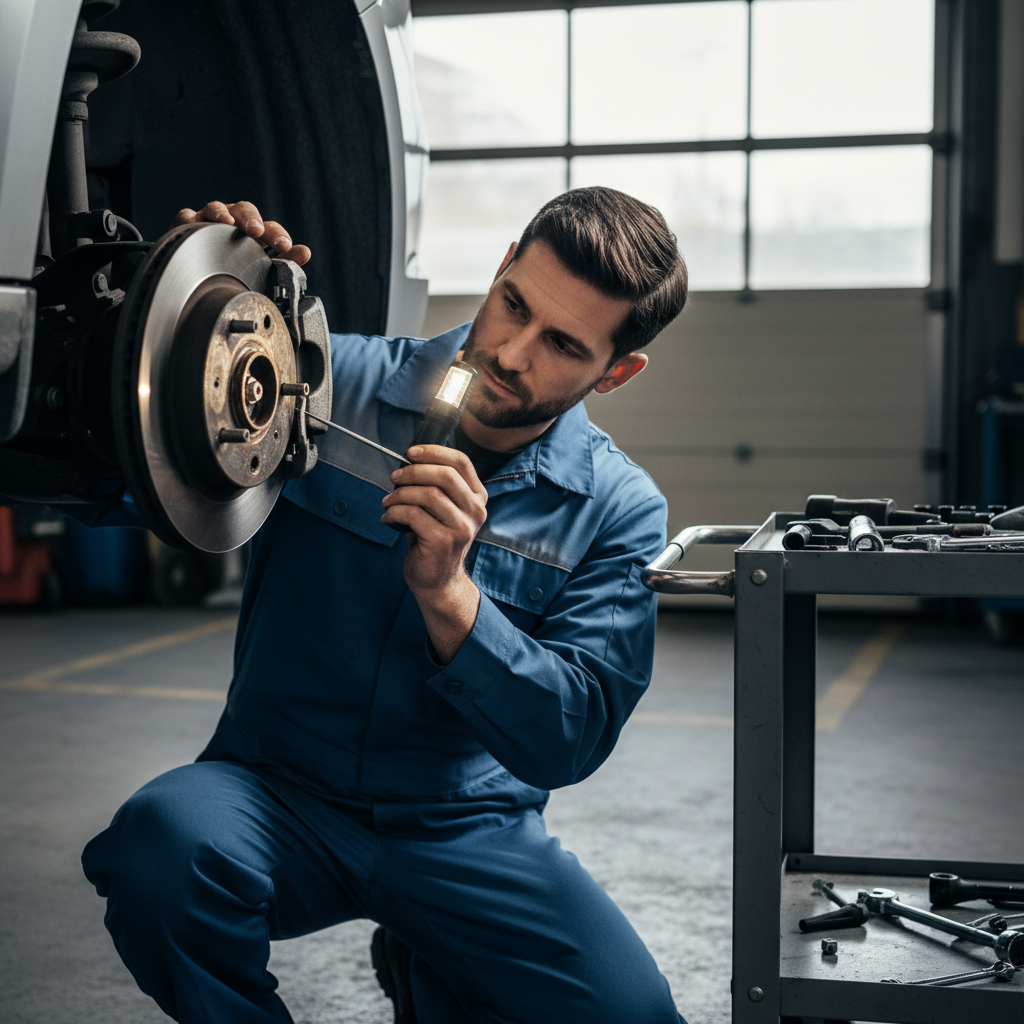
Hitting 60,000 miles often coincides with the three to five year mark for many drivers. In Carbon County, this milestone is particularly significant because your vehicle has likely spent thousands of miles managing steep grades and high mountain passes. While flatland drivers might squeak by with minor checks, local conditions demand a deeper dive into your braking and cooling systems to ensure continued safety.
Braking performance is the top priority at this interval. Constant downhill braking, especially when traversing Price Canyon or the surrounding mountain routes, generates intense heat. This accelerates the wear on brake pads and can lead to warped rotors. At Keith Auto & Sales, we perform a detailed inspection of the pad thickness and rotor surface. If you feel a vibration in the steering wheel or a pulse in the pedal when stopping, your rotors may need attention before they compromise your safety on a descent.
Carbon County winters are notoriously hard on automotive batteries. Most lead-acid batteries have a lifespan of three to five years, and the extreme cold of a Utah winter can reduce their capacity by half. At 60,000 miles, it is vital to test your battery's cold cranking amps (CCA). Replacing a weak battery now is far better than being stranded in a parking lot when the temperature drops below zero.
System Component | Service Required at 60,000 Miles | Carbon County Risk Factor |
|---|---|---|
Brake Pads/Rotors | Measure thickness and surface integrity | Heavy wear from downhill grades |
Battery | Load test and terminal cleaning | Extreme winter cold failure |
Cooling System | Complete coolant flush and refill | Corrosion from aged fluid |
Spark Plugs | Inspection or replacement | Reduced efficiency and hard starts |
Rubber Hoses/Wipers | Visual check for cracks or dry rot | High UV exposure and dry desert air |
This service also includes a thorough review of your vehicle's rubber components. The combination of intense high altitude UV rays and dry desert air causes rubber to perish. We inspect small vacuum hoses, serpentine belts, and wiper blades for signs of brittleness or cracking. If your odometer is nearing the 60,000 mark, you can contact Keith Auto & Sales to schedule comprehensive auto maintenance services. Taking care of these items now ensures your reliable pre-owned vehicle remains dependable for the long haul.
The 90,000 to 100,000 Mile Major Overhaul
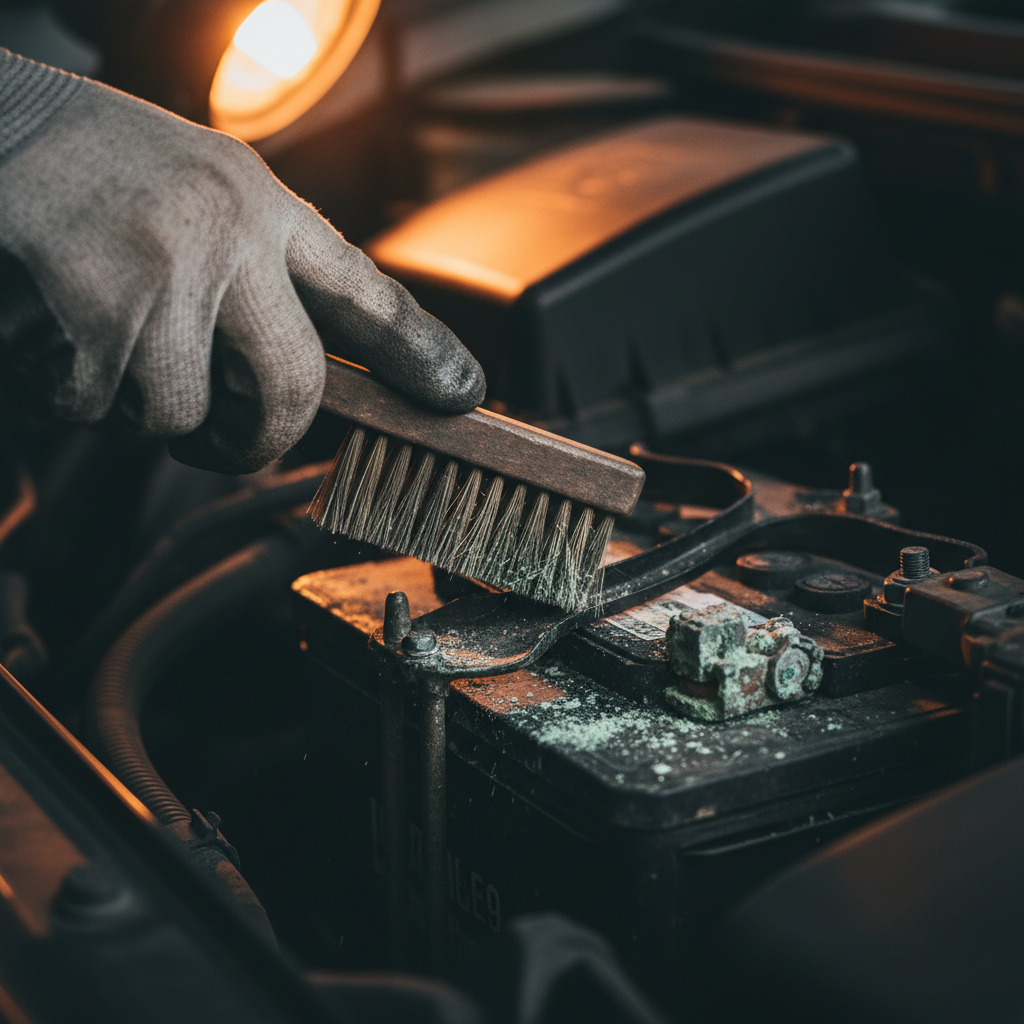
Reaching 90,000 miles is a significant achievement for any reliable pre-owned vehicle, but it marks the most critical phase in a car maintenance schedule by mileage. This is the interval where minor wear transitions into potential mechanical failure if high stakes components are ignored. At Keith Auto & Sales, we consider this the most important preventative service window to ensure your vehicle remains safe for its second hundred thousand miles.
A primary focus at this stage is the timing system. Most engines use either a rubber timing belt or a metal timing chain to synchronize the movement of the pistons and valves. While chains are typically designed to last the life of the engine, rubber belts have a finite lifespan. 90,000 miles is widely considered the danger zone for timing belts. If a belt snaps on an interference engine, the internal parts collide, which usually leads to a total engine replacement. Because the labor to reach the belt is intensive, we often recommend replacing the water pump at the same time as a proactive measure.
Component | Maintenance Action | Failure Risk |
|---|---|---|
Timing Belt | Replacement (often with water pump) | Catastrophic engine failure |
Drive/Serpentine Belts | Inspection for fraying or cracking | Loss of power steering and alternator |
Radiator Hoses | Squeeze test for soft spots or brittleness | Overheating and sudden coolant loss |
Water Pump | Inspection for leaks or bearing noise | Engine seizure from overheating |
High mileage car maintenance must also include a specialized inspection of the suspension and steering. Years of navigating the freeze thaw cycles on Utah highways and the abrasive backroads of Carbon County take a toll on ball joints, tie rods, and struts. Worn suspension components do not just affect ride comfort; they compromise your ability to steer accurately during emergency maneuvers or high speed travel. If your odometer is approaching the 100,000 mile mark, you can contact Keith Auto & Sales to review our comprehensive auto maintenance services. We provide the honest communication you need to prioritize these major repairs effectively.
Mileage vs Time: When the Calendar Matters More Than the Odometer
While hitting specific odometer readings is the primary way to track a car maintenance schedule by mileage, the calendar often tells a different story. For residents in Helper or Wellington who may only drive a few miles a week, or local businesses with fleet trucks that sit idle between seasonal jobs, time becomes the critical factor. Motor oil, for example, begins to oxidize the moment it is exposed to oxygen and engine heat. Even if you have not hit 5,000 miles, changing the oil every six months prevents acidic buildup that can etch internal engine surfaces.
Brake fluid is another time-sensitive component. It is naturally hygroscopic, meaning it pulls moisture from the air. In our high desert environment, temperature fluctuations cause condensation inside reservoirs. Over time, this water content lowers the boiling point of the fluid and causes internal corrosion in the ABS system. Similarly, rubber components like serpentine belts and tires have a finite shelf life. Rubber loses its elasticity and develops dry rot after five to seven years, regardless of how much tread is left. If your vehicle spends more time in the driveway than on the road, contact Keith Auto & Sales to discuss comprehensive auto maintenance services that account for age rather than just distance. Keeping a reliable pre-owned vehicle in top shape requires respecting these temporal limits.
How to Keep Your Own Professional Maintenance Log
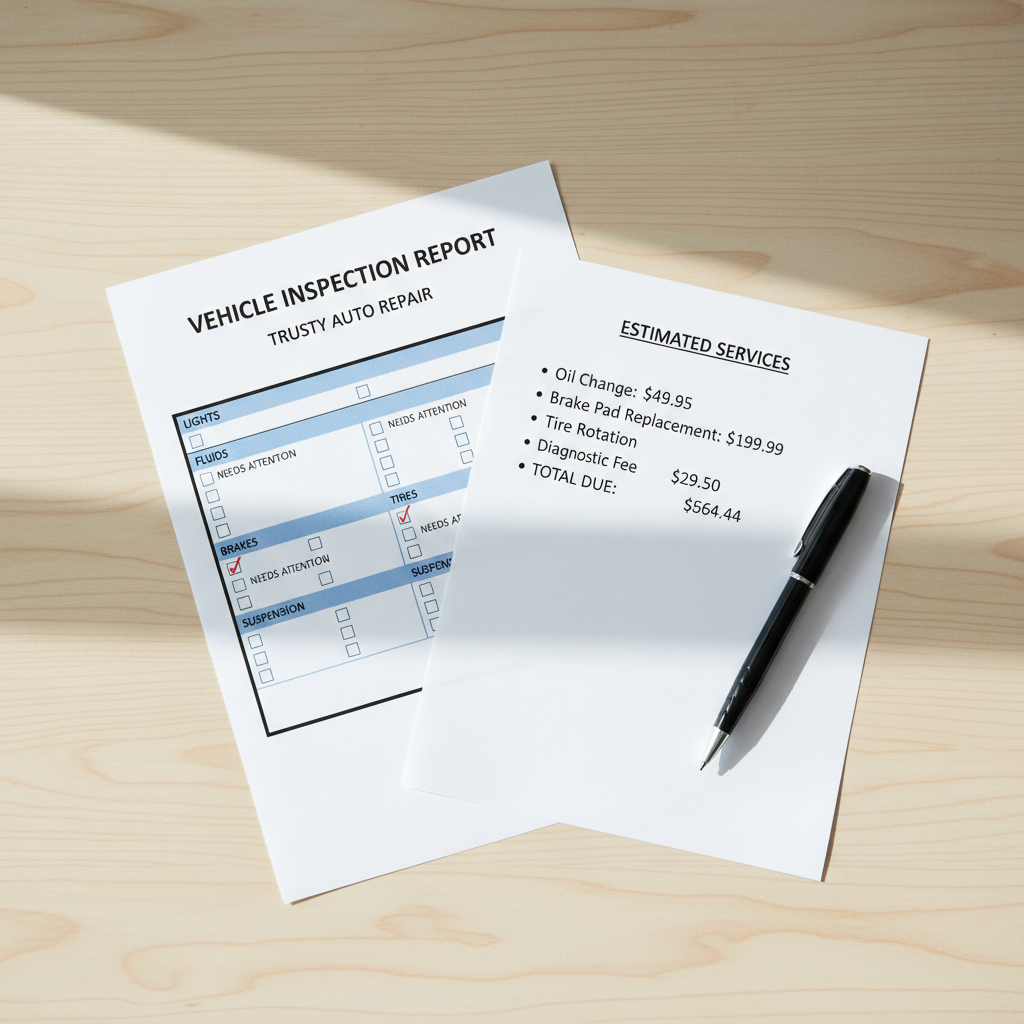
Maintaining a professional log ensures that your car maintenance schedule by mileage remains organized and actionable. For many Carbon County drivers, a simple physical folder kept in the glovebox is the most practical solution. Storing every receipt for parts and labor provides verifiable proof of care that a verbal history cannot match. If you prefer a digital format, using a vehicle maintenance checklist excel sheet allows you to track expenses and set reminders for upcoming service intervals.
A documented service history directly impacts the resale value of a reliable pre-owned vehicle. Local buyers in the Price area often look for evidence that critical milestones, such as timing belt replacements or cooling system flushes, were performed on time. Keith Auto & Sales supports this process by keeping detailed records of your comprehensive auto maintenance services. This shared history fosters transparency and makes it easier to evaluate your car's health during a trade in or future repair. To review your vehicle's recent service history or to start a new maintenance plan, contact Keith Auto & Sales for expert assistance.